


100 marathons and beyond: How Chowdhury Rashaad Shabab grew discipline and community through running
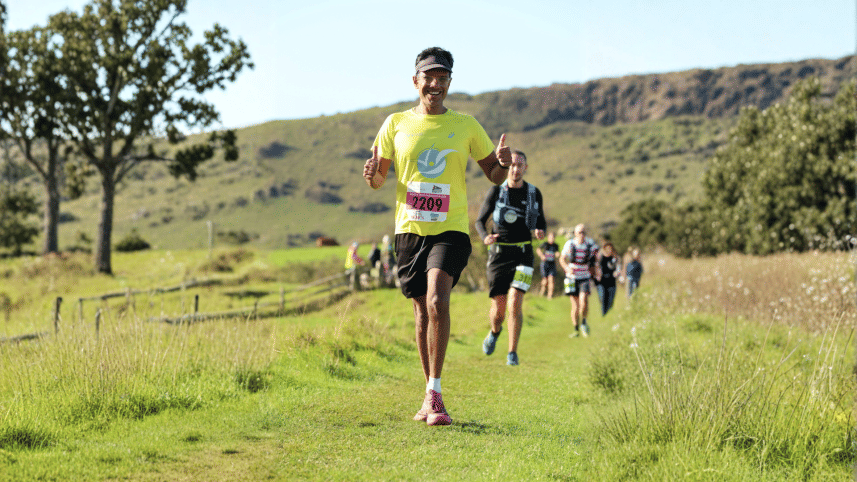
Have you ever wondered how something as simple as running could transform a person’s life physically, mentally, and professionally? For Dr Chowdhury Rashaad Shabab, it started off as a way to handle stress while doing his PhD at the University of Sussex. Over time, though, it turned into a lifelong philosophy, and that belief has now carried him to finish 100 officially recognised marathon races!
On Sunday 24 May 2026, Rashaad ran his 100th marathon at Ardingly Reservoir, out in the Sussex countryside, a milestone independently verified by the UK’s 100 Marathon Club. Despite it being the hottest day of the year so far in that region, he successfully finished the marathon in 2nd position overall, while being 1st in the male category.
 For all latest news, follow The Daily Star's Google News channel.
As a Reader in Economics and Associate Dean for Education and Students at the University of Sussex Business School, Rashaad first leaned into running while juggling academic pressure, family obligations, and an effort to quit smoking during his PhD years.
These days, he treats running like restoration. “I do this for enjoyment,” Rashaad expressed. “There are already enough competition and stress in our lives.”
That way of thinking not only shapes his training, but it also feeds into how he talks about success overall. Instead of pursuing extreme targets, Rashaad prefers sustainable habits, grown steadily rather than forced. He believes, “It’s about building good habits bit by bit. Not dramatically changing yourself all at once.”
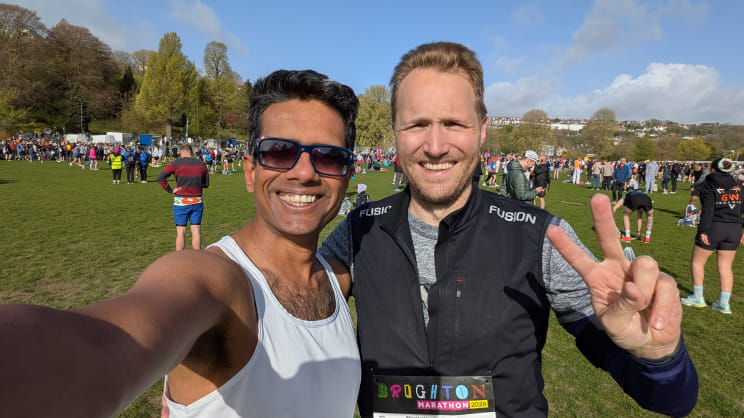
His accomplishments do not stop at marathons, though. Rashaad also became the first Bangladeshi to finish a 100-mile footrace, which was an experience that rewired how he viewed challenges. “When your legs can take you through 100 miles, staying up late to finish work or dealing with life’s challenges suddenly do not feel impossible anymore.”
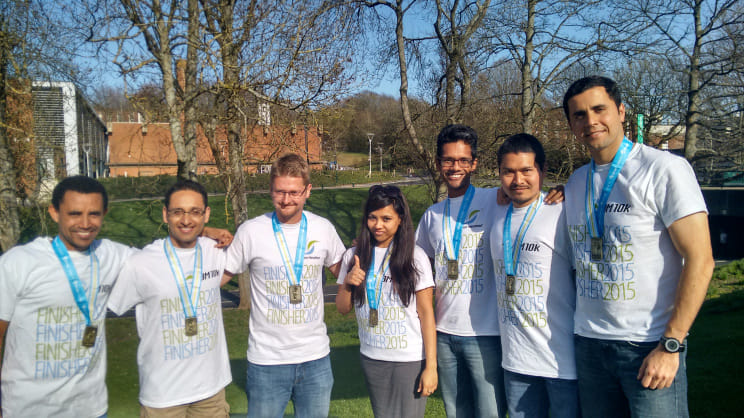
For young people especially, he suggests that exercise such as running could support studies rather than clash with them. For him, running helped him get more disciplined, focused, and emotionally resilient across his whole academic career. In fact, he developed friendships, both academically and professionally, through running as well.
Yet, his biggest change happened closer to home. His sons and his father now join running events too, becoming interested in running activities. What started as a personal way to cope has grown into something the whole family shares.

But more than anything, Rashaad dedicated his 100th marathon to raising funds for the University of Sussex hardship fund, which supports students in financial difficulty. As a once overwhelmed international student himself, the cause feels not only real but also symbolic to him.
“I really think it matters for young people to build healthy habits,” Rashaad advised. “Students often treat exercise and wellbeing as if they are separate from their studies, but actually those healthy routines are often the same things that can help them succeed academically.”
And while 100 marathons might feel intimidating at first, his advice for first-time runners is pretty simple: train consistently, eat enough carbohydrates, avoid overhydrating, and most importantly, enjoy the whole adventure.
Beyond medals and miles, Rashaad is also the co-author of 'Statistics for Economics, Accounting and Business Studies', published by Pearson in 2024.
Needless to say, his story gives a strong reminder that success is not about burning yourself out. Sometimes the healthiest habits are the exact kind of things that help people thrive in work, in family life, and in themselves.
Photo: Courtesy


Comments