


Take fatty liver disease seriously
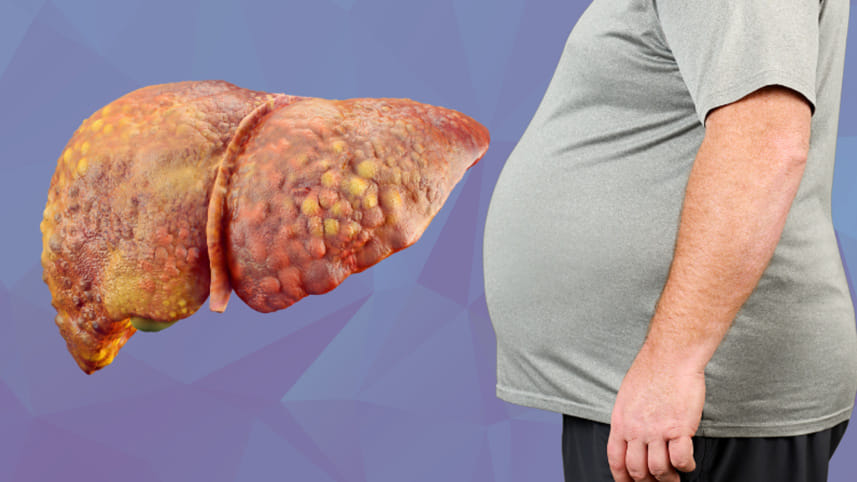
Fatty liver disease is emerging as a major public health concern, with studies suggesting that nearly one in three people may be affected. The condition often develops silently, causing little or no symptoms in its early stages. As a result, many people remain unaware they have it until significant liver damage has already occurred.
The good news is that fatty liver disease can often be reversed if detected and treated early. However, this requires timely diagnosis and a commitment to lifestyle changes. Ignoring the condition can lead to serious complications, including liver inflammation, cirrhosis and even liver cancer.
 For all latest news, follow The Daily Star's Google News channel.
 Fatty liver disease is closely linked to modern lifestyles. Obesity, diabetes, hypertension, high cholesterol and thyroid disorders are among the major risk factors. Sedentary habits, excessive consumption of fast food, sugary drinks and refined carbohydrates, and a lack of regular physical activity have contributed to its growing prevalence. Chronic alcohol consumption can also lead to alcohol-related fatty liver disease.
One of the challenges in tackling the condition is that it often produces no symptoms. Many cases are discovered incidentally during an abdominal ultrasonogram performed for another reason. Some patients may experience vague symptoms such as a feeling of heaviness or discomfort on the right side of the abdomen, fatigue or a reduced appetite. These symptoms are often mistaken for other gastrointestinal conditions, delaying diagnosis and treatment.
If left untreated, fat accumulation in the liver can trigger inflammation and progressive scarring. Over time, this may result in cirrhosis, liver failure or liver cancer. Once the disease reaches an advanced stage, treatment options become limited, making prevention and early intervention particularly important.
Lifestyle modification remains the cornerstone of treatment. Maintaining a healthy body weight is one of the most effective ways to reduce liver fat and improve liver function. Patients should aim for a balanced diet rich in vegetables, fruits, whole grains and lean protein while limiting fried foods, trans fats, refined sugars and processed foods.
Regular physical activity is equally important. Moderate exercise, including brisk walking, swimming, cycling or yoga, can help reduce liver fat, improve insulin sensitivity and support overall health. People with diabetes, hypertension, high cholesterol or thyroid disorders should work closely with their doctors to ensure these conditions are properly managed.
Emerging evidence also suggests that omega-3 fatty acids may benefit liver health because of their anti-inflammatory properties. However, dietary supplements should only be taken under medical supervision.
Awareness is key. People should avoid self-medication, limit alcohol intake and seek medical advice before taking long-term medications. Those at increased risk, particularly individuals who are overweight or have metabolic conditions, should consider regular health check-ups and liver screening.
Fatty liver disease is not a condition to be ignored. When identified early, the damage can often be reversed, allowing the liver to recover. By adopting healthier lifestyle habits and seeking timely medical care, many people can protect their liver health and prevent serious complications in the future.
The writer is a gerontologist and a public health specialist. E-mail: zubairkhaledjoy@gmail.com


Comments