


Ultra-processed foods under fire as experts called for global action!
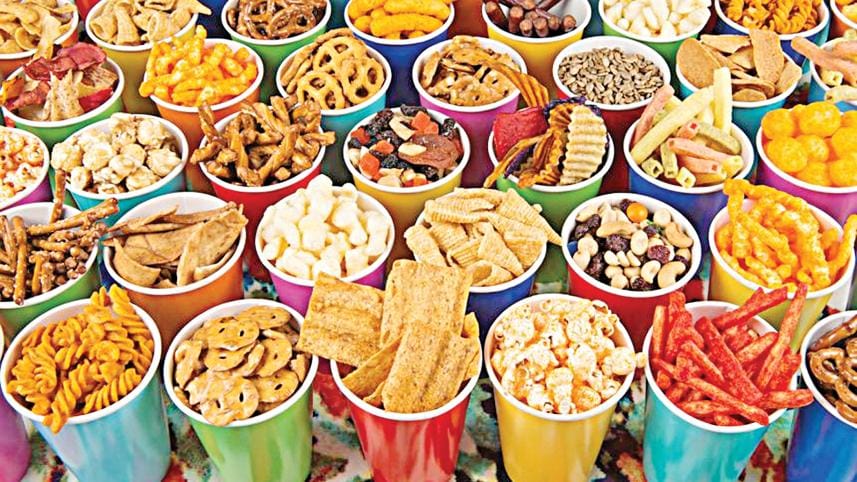
A major new three-paper series published in The Lancet warned that the rapid rise of ultra-processed foods (UPFs) in diets around the world had become an urgent public health issue and required coordinated government action.
Authored by 43 global experts, the series reported that UPFs – such as packaged snacks, sugary drinks and many ready-to-eat products – were increasingly replacing fresh and minimally processed foods. Powerful food corporations, using aggressive marketing and political lobbying to boost sales and block effective regulation, drove this shift, according to the authors.
 For all latest news, follow The Daily Star's Google News channel.
 The first paper reviewed more than a decade of research and found strong links between high UPF consumption and poorer diet quality, overeating and higher risks of conditions including obesity, type 2 diabetes, heart disease, depression and early death. National surveys showed UPF intake had risen sharply in countries such as Spain, China, Brazil and Mexico, while remaining at very high levels in the UK and USA.
The second paper set out policy options to curb UPFs, including clearer front-of-pack labelling, tighter restrictions on advertising – especially to children – bans in schools and hospitals, and taxes on selected products to help fund access to healthier foods. Successful examples, such as Brazil's school meals programme prioritising fresh food, were highlighted.
The final paper argued that corporations, not individual choices, were driving unhealthy diets. It compared the situation to tobacco control and called for global action to protect health policy from industry influence and to build fairer, healthier food systems that benefited communities rather than shareholders.
Comments