


Precision, compassion and progress: How modern oncology is redefining cancer care

Cancer care is undergoing a quiet but profound transformation, driven by technology, better understanding of disease biology, and a growing emphasis on quality of life. During their recent visit to Dhaka, two senior oncologists from Singapore's National Cancer Centre (NCCS)—Clin Asst Prof Li Youquan, Radiation Oncologist, and Clin Asst Prof Johan Chan, Medical Oncologist, shared insights that challenge many long-held fears and misconceptions surrounding cancer treatment.
Both specialists pointed to a steady rise in genitourinary cancers, particularly prostate cancer, across Asia. Professor Li explained that this trend is largely driven by ageing populations and increasing life expectancy. Prostate cancer, often slow-growing and symptom-free in its early stages, is frequently detected incidentally through prostate-specific antigen (PSA) testing or digital rectal examination. However, screening remains controversial. "It is not just about detecting cancer," he noted, "but deciding what to do with borderline results and avoiding unnecessary anxiety or treatment."
 For all latest news, follow The Daily Star's Google News channel.
Radiation therapy, often feared for its side effects, has evolved dramatically. According to Professor Li, modern radiation oncology now relies on advanced imaging, artificial intelligence, and precision planning to target tumours while sparing healthy tissue. Techniques that once took days can now be completed in minutes, with adaptive, real-time planning allowing treatment to be adjusted daily. While cutting-edge options such as proton therapy remain expensive, he expressed optimism that innovation and automation will gradually reduce costs and improve accessibility.
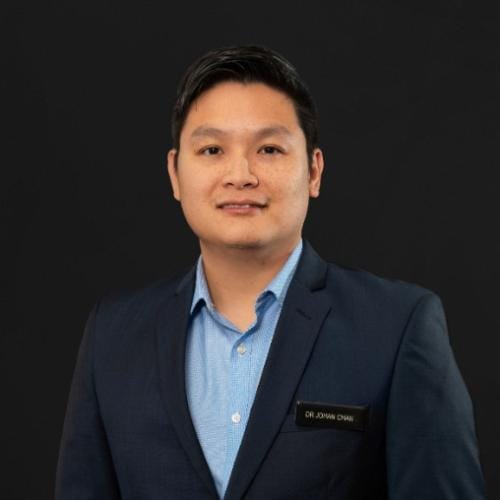
Professor Chan addressed another persistent concern—the stigma surrounding chemotherapy. "What people imagine from television or past experiences is very different from today's reality," he said. Improved anti-nausea drugs, outpatient-based regimens, and newer targeted therapies mean many patients can receive treatment and return home the same day. In prostate and bladder cancers, oral hormonal agents and immunotherapy have further reduced reliance on traditional chemotherapy.
He also emphasised the importance of awareness and self-examination, particularly for testicular cancer, which often affects men in their 20s to 40s and is highly curable when detected early. Lifestyle risks, including smoking and emerging habits like vaping, remain a concern. "If you do not know what you are inhaling, it is safest not to inhale it at all," he cautioned.
Both oncologists stressed that when cure is no longer possible, early integration of palliative care is essential. Focusing on symptom control, dignity and patient preferences, they agreed, can significantly improve quality of life.
Their message was clear: cancer care today is not only about longer survival, but about smarter, kinder, and more individualised treatment—an evolution from fear to informed hope.
Comments