


Millions left behind: Global push to make health care affordable by 2030
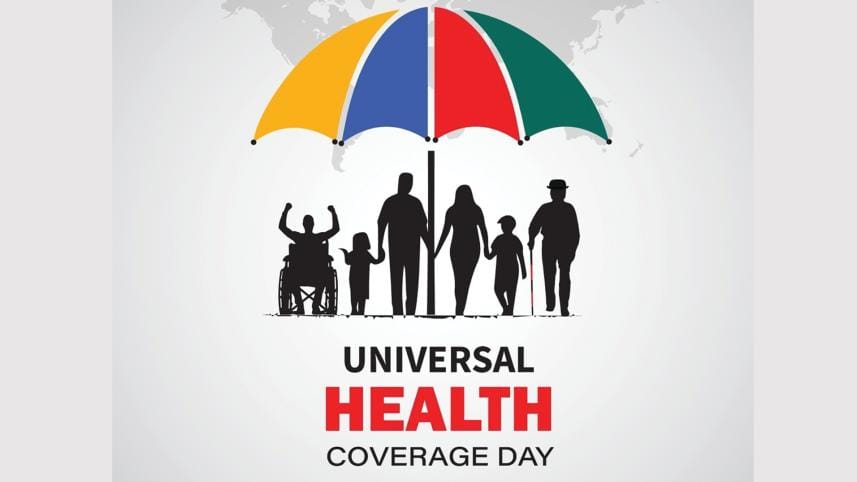
Since 2000, most countries have made progress in expanding health service coverage and reducing the financial burden of health care, according to the Universal Health Coverage (UHC) Global Monitoring Report 2025 from the World Health Organisation (WHO) and the World Bank. Health service coverage rose steadily, while fewer people experienced financial hardship from out-of-pocket (OOP) costs.
However, the poorest populations continue to face the greatest challenges. Globally, 4.6 billion people still lack access to essential services, and 2.1 billion experience financial hardship, including 1.6 billion pushed further into poverty. High medicine costs remain a major driver, especially for those living in poverty, who spend a median of 60% of their OOP expenses on medicines.
 For all latest news, follow The Daily Star's Google News channel.
 Progress has slowed since 2015, with only a third of countries improving in both coverage and financial protection. Gains have been strongest in infectious disease programmes, while improvements in reproductive, maternal, newborn, and child health have been modest. Inequalities persist, with women, rural populations, and people with less education disproportionately affected.
Actions leading to 2030
Achieving UHC by 2030 is central to realising the human right to health. With five years remaining on the Sustainable Development Goals (SDG) agenda, urgent action is needed. The report calls for six key measures:
• Ensure essential health care is free at the point of care for vulnerable populations.
• Expand public investment in health systems.
• Address high out-of-pocket spending on medicines.
• Accelerate access to essential noncommunicable disease (NCD) services.
• Strengthen primary health care to promote equity and efficiency.
• Adopt multisectoral approaches, recognising that health determinants extend beyond the health sector.
These steps are essential to close gaps, reduce inequalities, and ensure that everyone can access the care they need without financial hardship by 2030.
Source: World Health Organisation
Comments