


‘Nothing beats a Jet2 Holiday’: How the algorithm reintroduces forgotten tracks

Every few weeks, yet another old song seems to find its way back into the spotlight. Once off the charts, they are suddenly everywhere again – resurfacing in TikTok videos and Instagram Reels as if they never left. These unexpected comebacks have now become the most fascinating patterns in today's algorithm-led music culture. And now the question is whether listeners are drawn to the song itself, or to the catchy edit that's keeping audiences hooked.
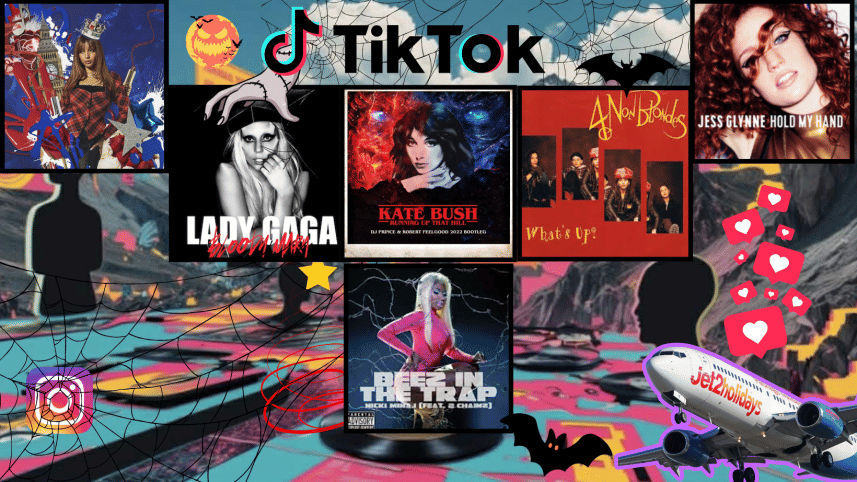
Jess Glynne's "Hold My Hand", though you'd probably recognise it as the "Nothing beats a Jet2 Holiday" song – learned this in a bizarre way. The cheerful pop anthem from 2015 had long since retired from the spotlight. And then, "Jet2". A holiday commercial with enthusiastic sunshine shots collided with TikTok, and suddenly Glynne's chorus was a spiritual call to arms for anyone fantasising about escaping their life. Within months, the resurrected song amassed billions of views. A decade-old track now clawed its way back into the charts after meme culture decided it deserved a second chance. Imagine, as an artist, watching your old work explode again, not because of your craft, but because someone slowed it down and paired it with clips of people packing for Bali.
 For all latest news, follow The Daily Star's Google News channel.
 What can be considered mind-blowing was realising what these reels can do. I stumbled onto a ridiculously catchy track, a rap blended into a melody so smooth you'd want to hear it one more time. It was all over my feed, with thousands of people doing duets to it. Only later did I realise it wasn't one seamless song at all, but a mash-up of Nicki Minaj's "Beez in the Trap" (2013) and 4 Non Blondes' "What's Up?" (1993). The sound has since been used in more than 695,000 TikTok videos, sending "Beez in the Trap" streaming up by over 460% and pulling "What's Up?" back into a wave of renewed listens.
Kate Bush's "Running Up That Hill" is another recipient of this viral fever. The song sat quietly for years, ignored by mainstream charts. Then a "Stranger Things" fan edit slapped a dreamy, slowed-down version underneath a montage of fictional teenagers fighting demonic forces. The clip spread like wildfire. Suddenly, Bush had her first-ever Billboard Hot 100 entry. Thanks not to touring, not to marketing, but to a TikTok aesthetic that made everything sound like it was engineered to live rent-free in your head.
And then there is the TikTok obsession with PinkPantheress's song "Illegal", the source of the now-ubiquitous line: "Ooh, is this illegal? Ooh, it feels illegal." What started as a lyric now has mutated into a full-fledged TikTok language. People use it under Reels about dyeing their hair at 2 am, booking spontaneous trips, trying on outfits that feel out-of-character, or listening to music that doesn't match their "aesthetic."
Lady Gaga's "Bloody Mary" was comparatively obscure when stacked up with the singer's long list of hits. TikTok took one lyric: "I'll dance, dance, dance…" – sped it up, tossed it onto Wednesday Addams' deranged school-dance routine, and unleashed a cultural avalanche. The original song, ignored for more than a decade, charted worldwide. The version people loved wasn't even the one Gaga released; it was the edited, ghost-haunted TikTok cut.
What's most noticeable about this trend is not just its reach, but how precise it becomes. These creators edit with frightening accuracy. Because TikTok doesn't care about the full song, they know exactly which lyric will become a meme and which beat drop is perfect for a shaky "POV: you're having a breakdown in public" transition.
Record labels now keep a close eye on TikTok these days. If an old track suddenly takes off, they act immediately by re-releasing it, pushing it to radio, ordering remixes, and even putting out "official" sped-up or slowed-down versions to match whatever edit is going viral. Because every spike in sound usage is a potential profit surge.
If there's one thing this entire phenomenon reveals, it's that the algorithm doesn't recognise eras, genres, or artistic intent; it recognises utility. A song is valuable only if it can serve a mood, trend or micro-aesthetic. And Gen-Z, having spent most of their lives online, instinctively searches for sounds that help them express themselves in more dramatic ways. These revivals say less about the songs and more about the emotional outsourcing happening on social media where teenagers are borrowing feelings from older music because contemporary music doesn't always give them the emotional validation they crave.
Comments