


A writer made by resistance

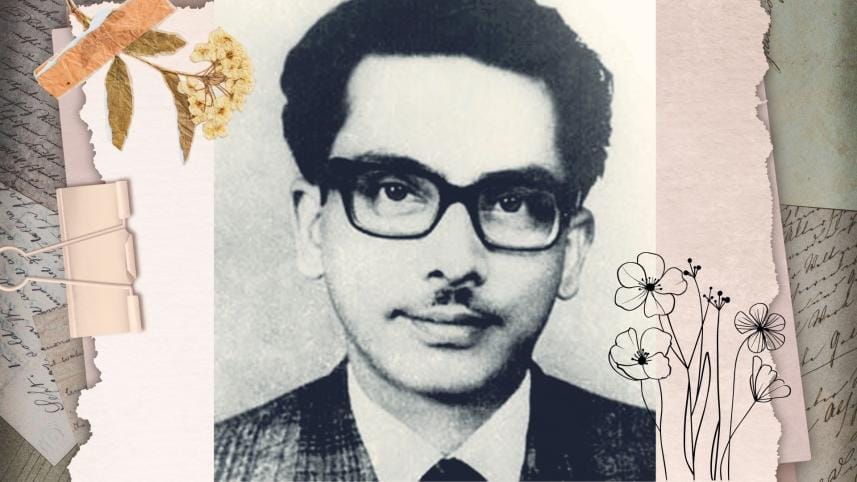
Shahidullah Kaiser was one of the most powerful novelists of Bangla literature and a fearless voice in journalism. His life and work were forged in resistance. For his role in the Language Movement of 1952 and his uncompromising criticism of martial law, he endured relentless persecution under the Pakistani state, spending a total of eight years in prison. "I became a novelist because Ayub Khan sent me to jail," he once declared—an assertion that captured how repression ignited, rather than extinguished, his literary genius.
Behind prison walls, Kaiser turned confinement into creation. Some of his earliest works, including Naam Nei and Jadu-i Halwa, were written inside prison cell. It was there that he produced major works such as Sareng Bou, Shangshaptak, and Rajbondir Rojnamcha—writings that would later define modern Bangla fiction for their psychological depth and social realism.
 For all latest news, follow The Daily Star's Google News channel.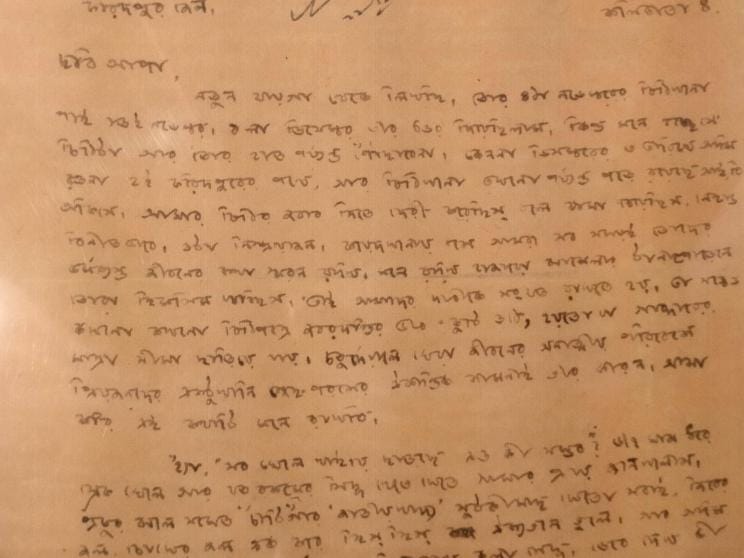
His journalism was no less defiant. Kaiser worked for The Daily Ittefaq before joining the editorial desk of The Daily Sangbad, where he remained until his disappearance.
Kobey Pohabe Bibhabori (When Will the Night End?) was the only novel he wrote outside prison. Begun during the Liberation War, it sought to chronicle the brutality of the Pakistani army.
On 14 December 1971, masked men abducted Shahidullah Kaiser from his home. He was never seen again; nor was his body ever recovered. recovered.
Comments