


Stars relive the joys of childhood Pahela Baishakh
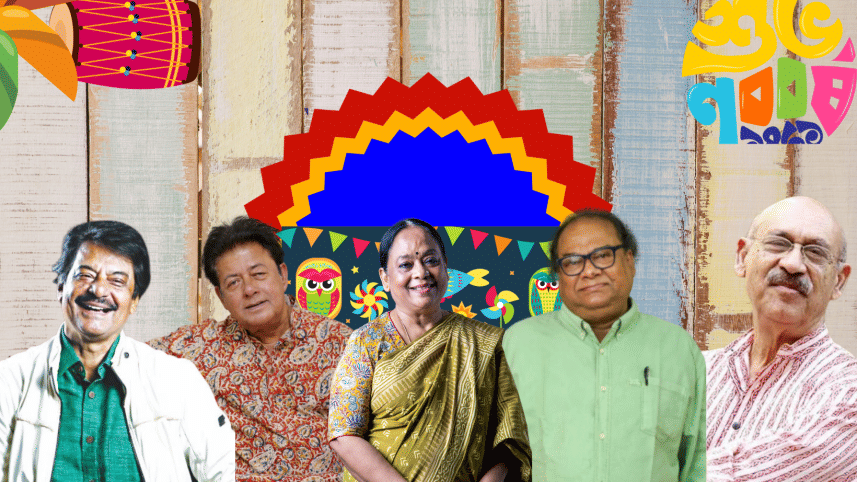
For Bengalis, Pahela Baishakh is more than just the first day of the year—it is a feeling, a rhythm of life that returns with colour, music, and the promise of renewal. Long before city processions and curated celebrations, the day lived in simpler, more intimate moments—village fairs, homemade delicacies, and shared joy.
As the nation welcomes another Bengali New Year, five senior artistes spoke to The Daily Star, revisiting a time when Baishakh meant anticipation, wonder, and unfiltered happiness.

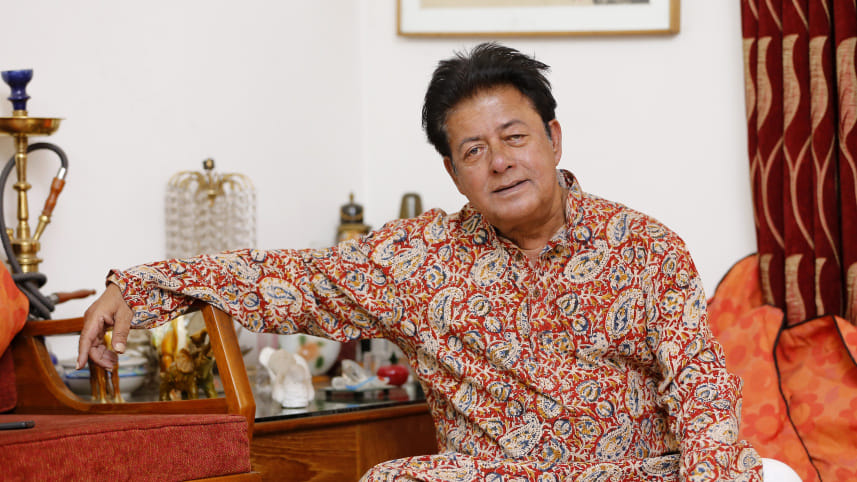
For veteran actor Mamunur Rashid, the essence of Pahela Baishakh lies in the village fairs of his childhood. “People would come from far and wide,” he recalls, his voice carrying a sense of wonder that time has not dulled. “The food, the crowds, the excitement—it was all so magical.”
He remembers puppet shows that drew children in droves, holding them spellbound. “We would go in groups to watch them. Even now, those memories feel alive.” But Baishakh was not without its drama—sudden storms would often sweep through by evening, dismantling the fair. Yet by morning, everything would rise again. “The fair would continue for days, but Pahela Baishakh was always the most vibrant,” he says. “We waited for it all year.”
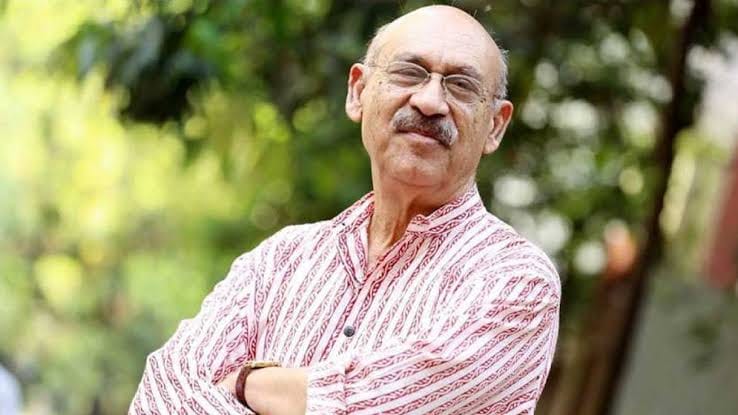
For Abul Hayat, childhood memories are rooted in Chattogram’s Dewan Hat, where Chaitra Sankranti unfolded like a grand prelude to the New Year. “It felt like a fair,” he says, recalling the sea of people who gathered there.
Pahela Baishakh itself brought the tradition of opening new account books, turning the day into a communal celebration. “It is a day for everyone,” he reflects. “A new beginning. People hope for better things.” His words carry a quiet warmth: “I wish happiness and peace for all—may Baishakh bring joy just as it once did in our childhood.”
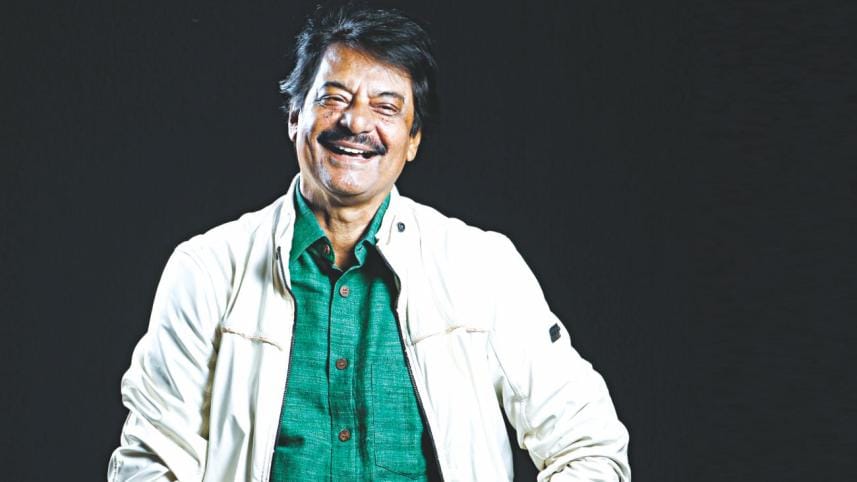
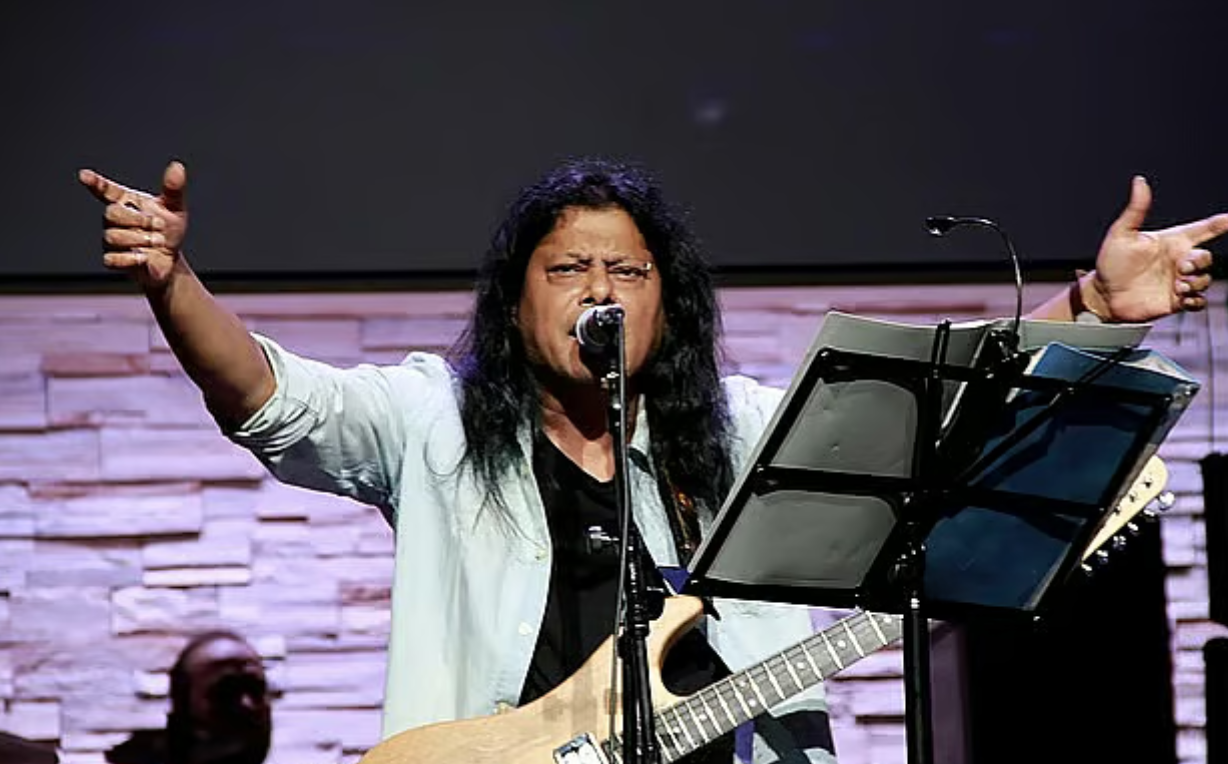
In Rajshahi, where singer Rafiqul Alam grew up, Baishakh was inseparable from Dargapara’s bustling fairgrounds. “For us schoolchildren, it was pure excitement,” he says. Days were spent roaming the fair with friends and cousins, the world feeling larger and brighter than usual.
School celebrations added another layer of joy. “There were cultural programmes and music,” he recalls. “I wasn’t performing yet, but we would go together just to watch.” Among those memories are friendships that crossed communities—like his Marwari friend Hiralal Sen. “Those days, that kind of joy—it feels unmatched now.”
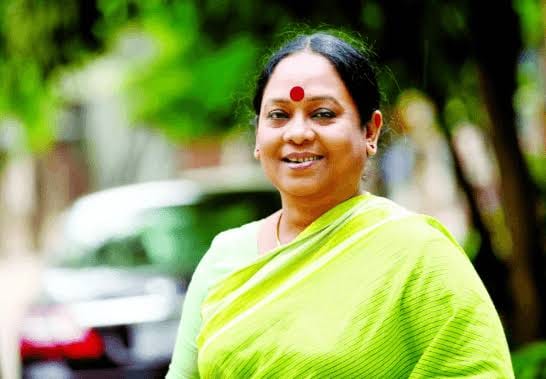
For Wahida Mollick Jolly, Baishakh was a blend of performance, responsibility, and family warmth. Growing up in Rajshahi, she eagerly took part in school events, reciting poetry every year. “I loved it,” she says with a smile.
Beyond the stage, there were visits to local celebrations at Koraigtola, where food stalls added to the festive charm. “I still remember the cotton candy,” she laughs. But what made the day truly special was its personal significance—her parents’ wedding anniversary fell on Pahela Baishakh. “There would be celebrations at home, khichuri cooking, and guests coming over. It was always a big day for us.”
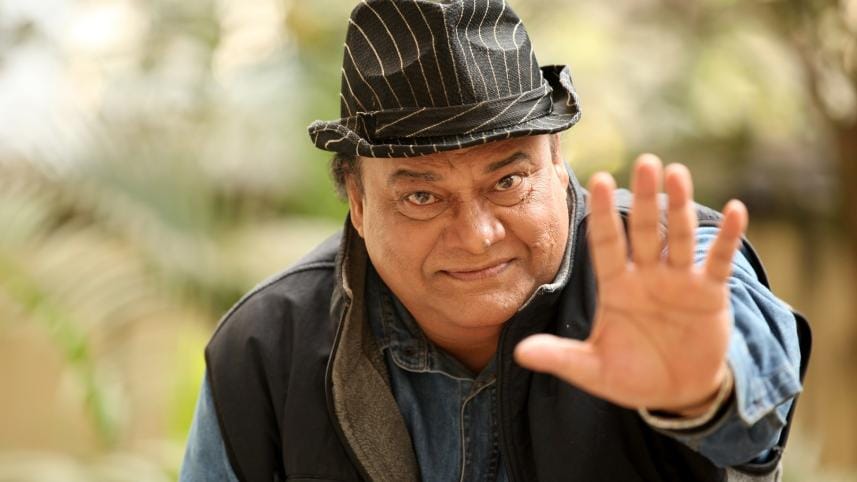
For Rahmat Ali, the festivities began even before the New Year, with Chaitra Sankranti at his home in Ghoramara. “My mother would organise everything,” he says. “So many people would come, and no one left without eating.”
Then came the fairs—first in Rajshahi city, then in nearby villages, particularly in Naogaon. “The village fairs were something else,” he recalls. “That was where the real spirit of Baishakh lived.”
Across their memories, a pattern emerges—of open fields, crowded fairs, shared meals, and a sense of belonging that transcended time.
Today, Pahela Baishakh may look different, shaped by urban life and changing traditions. But in these recollections, its heart remains unchanged—a day of joy, resilience, and togetherness.
 For all latest news, follow The Daily Star's Google News channel.


Comments