


‘Petals of Time’: Heritage as a living archive
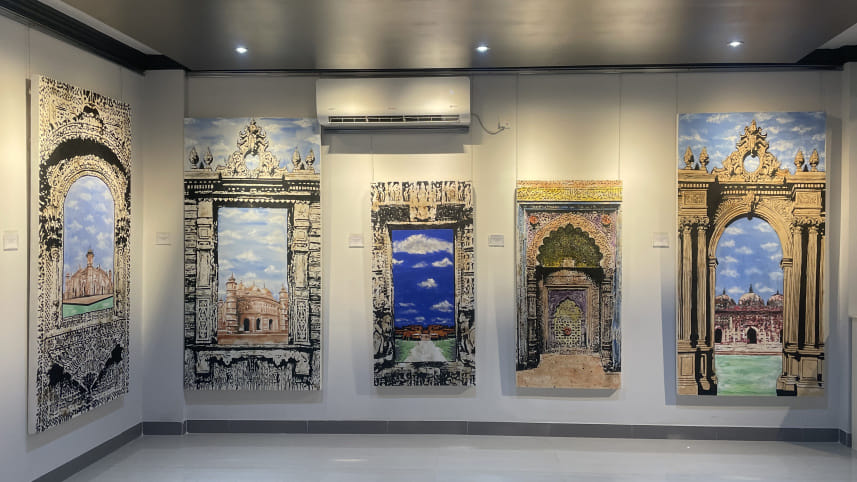
The language of heritage found a contemporary visual form at Desh Art Gallery on Friday (June 26) evening as “Petals of Time”, a group art exhibition centred on art, memory, and cultural inheritance, opened at the gallery’s premises in Baridhara Diplomatic Zone.
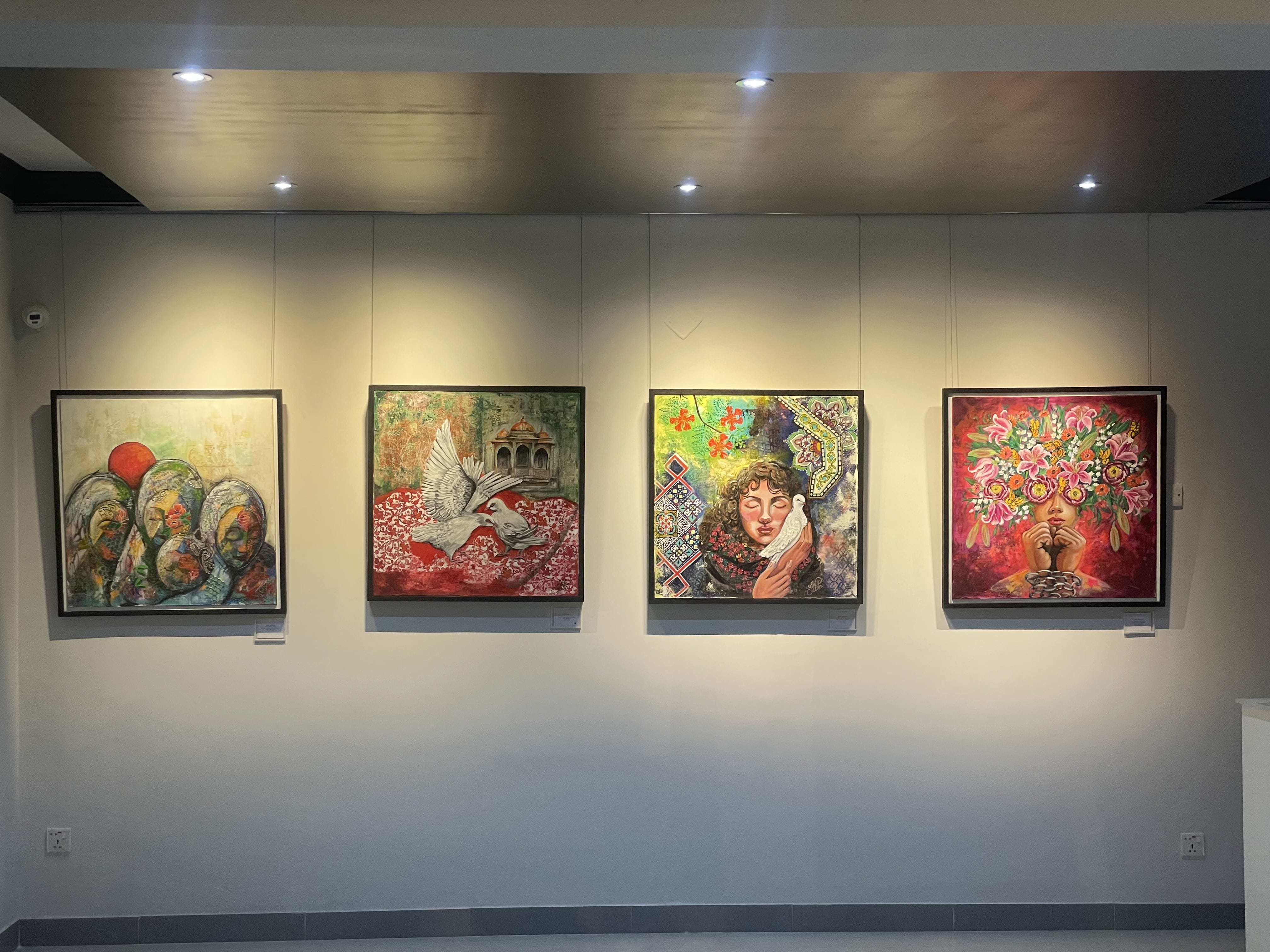
Presented by Desh Art Gallery, the exhibition was inaugurated with an opening reception at 5:30pm on June 26 and will remain open to visitors until July 6 at the ground floor of House 13/1, Road 12, Baridhara Diplomatic Zone, Gulshan-2, Dhaka.
 For all latest news, follow The Daily Star's Google News channel.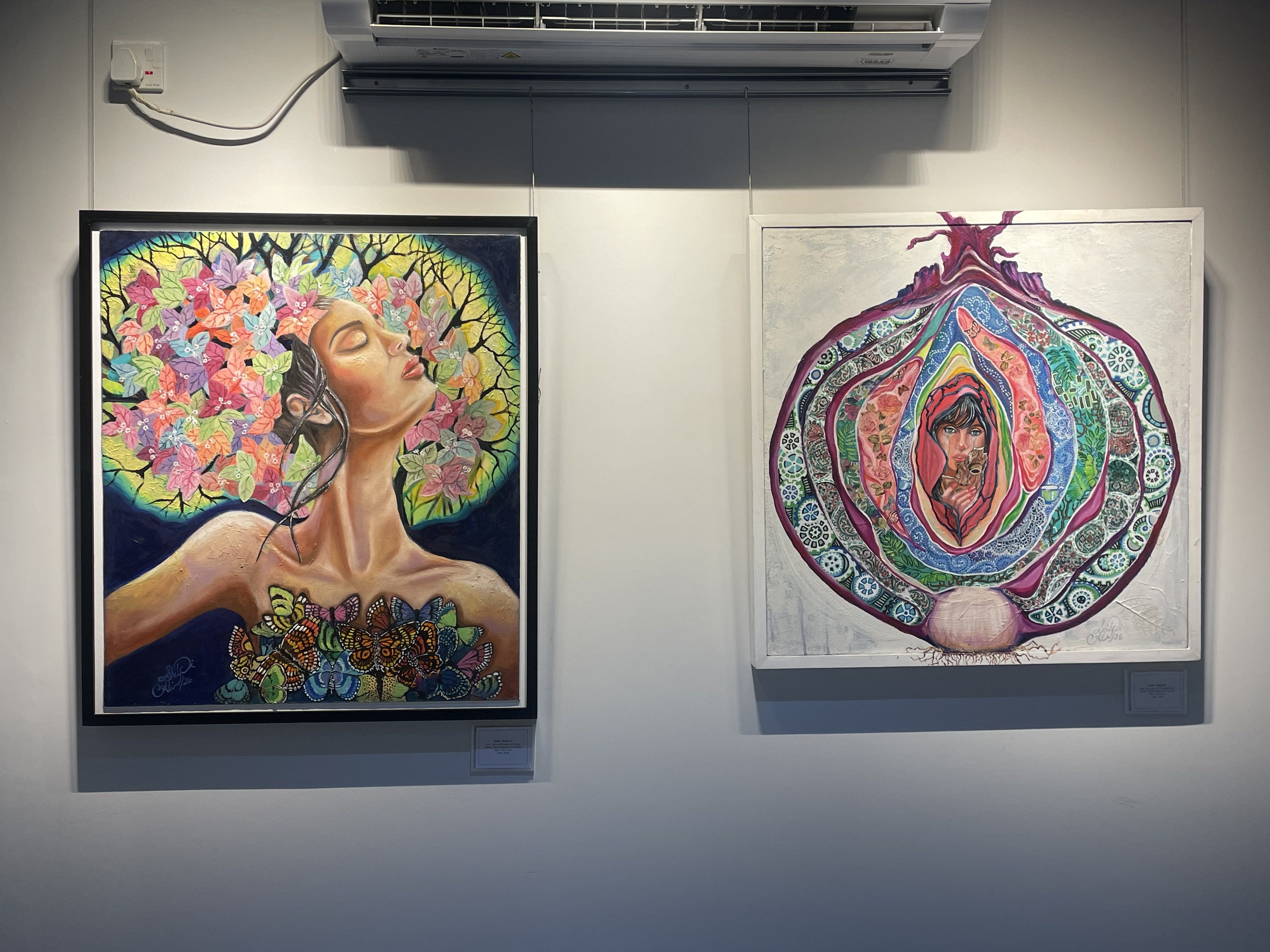
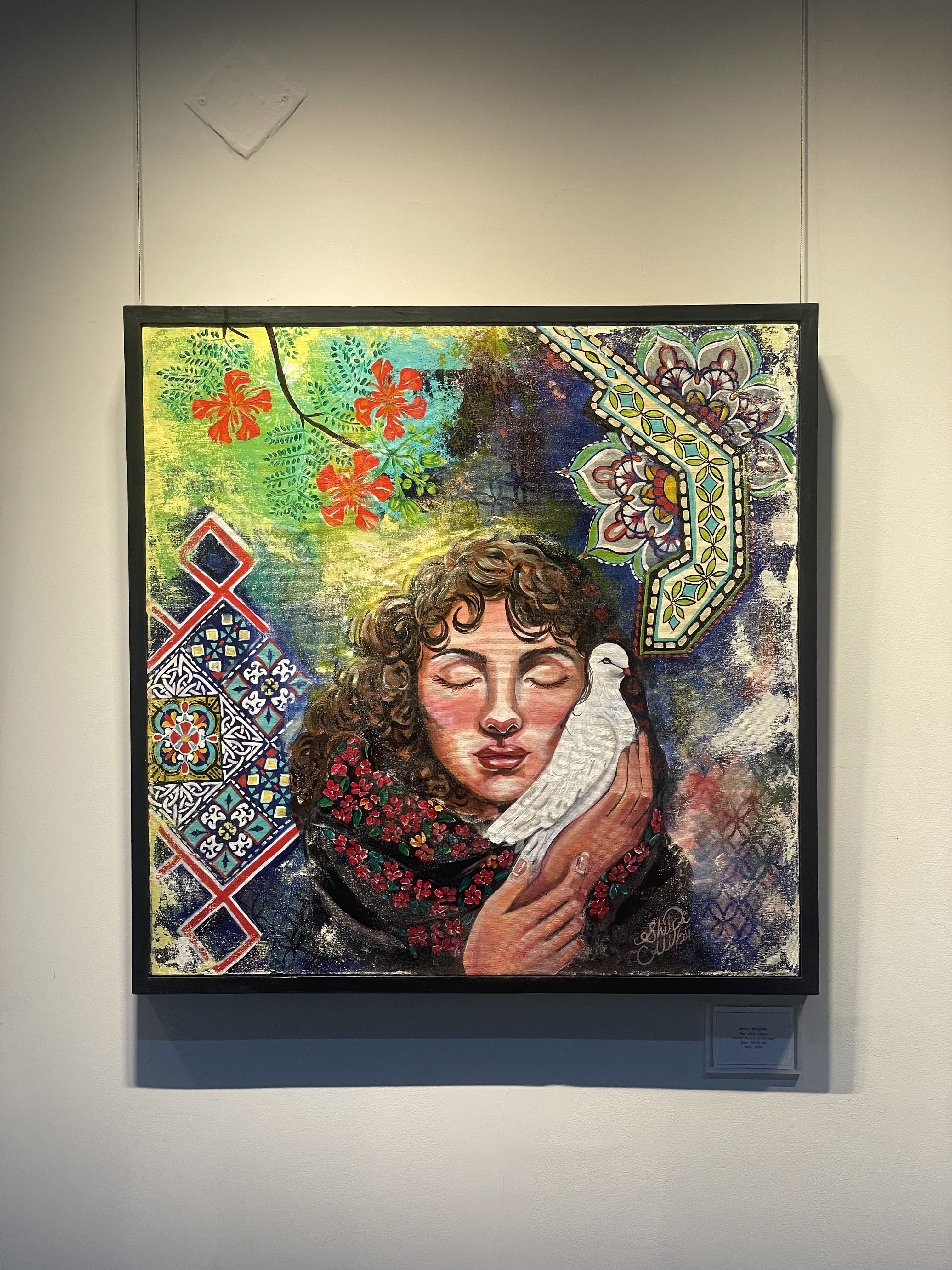
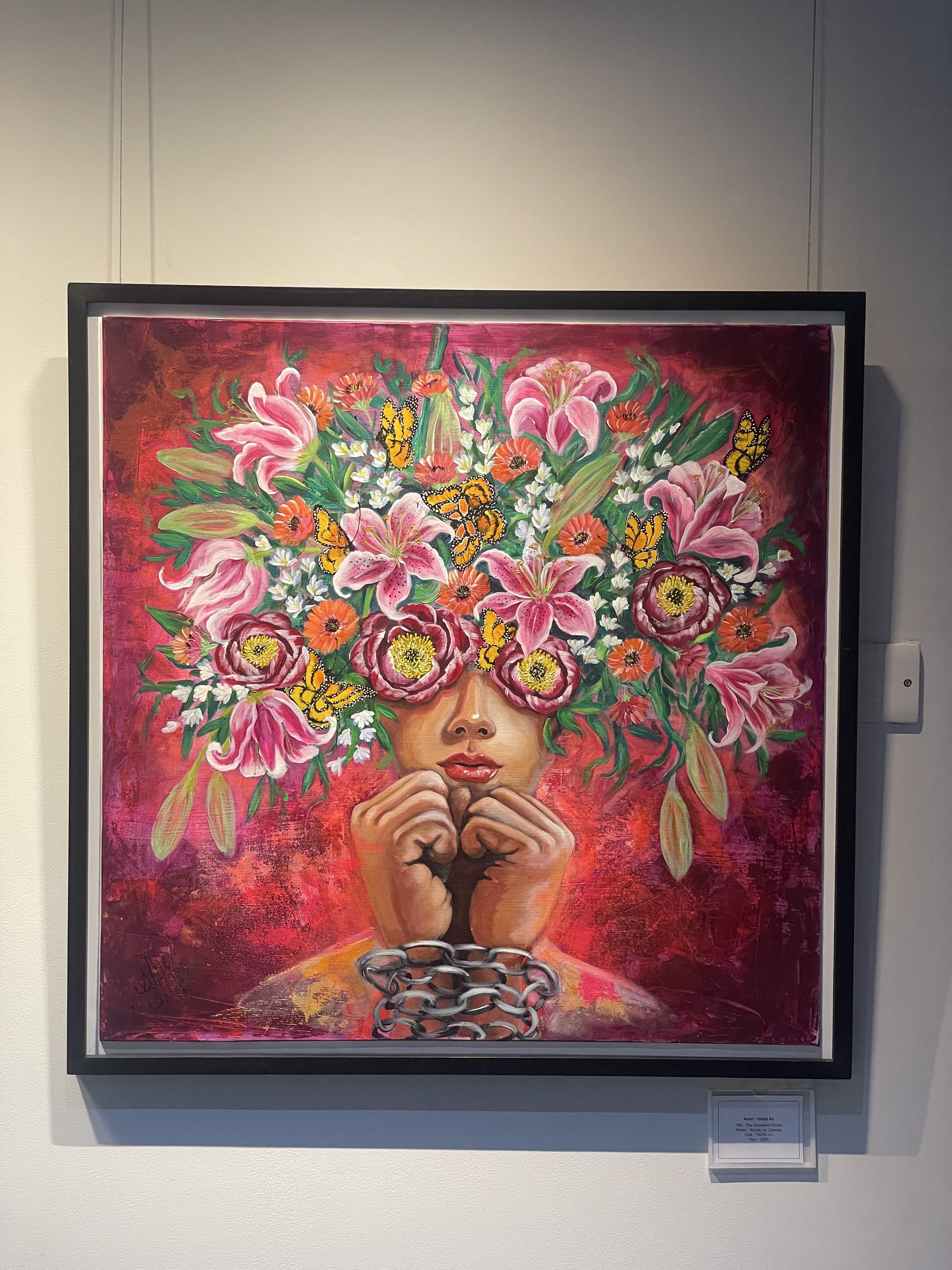
The exhibition brings together works by Proshanta Karmakar Buddha, Shilpi Ali, Eliza Rahman, and Farin Ahmed, each approaching the theme through distinct visual concerns. The participating artists examine how memory survives through architecture, craft, ritual, personal recollection, and inherited cultural symbols. Through paintings and visual compositions, the exhibition asks viewers to consider how the past continues to shape contemporary identity, particularly in a country where tradition remains deeply connected to everyday life.
The opening was attended by guests, artists, collectors, and cultural observers. Shakhawat Hossain, honorary consul of Portugal in Bangladesh, attended as chief guest, while entrepreneur Sharif Rahman was present as special guest. Their presence added a formal dimension to an exhibition that places cultural memory within a broader conversation on continuity, preservation, and public engagement with art.
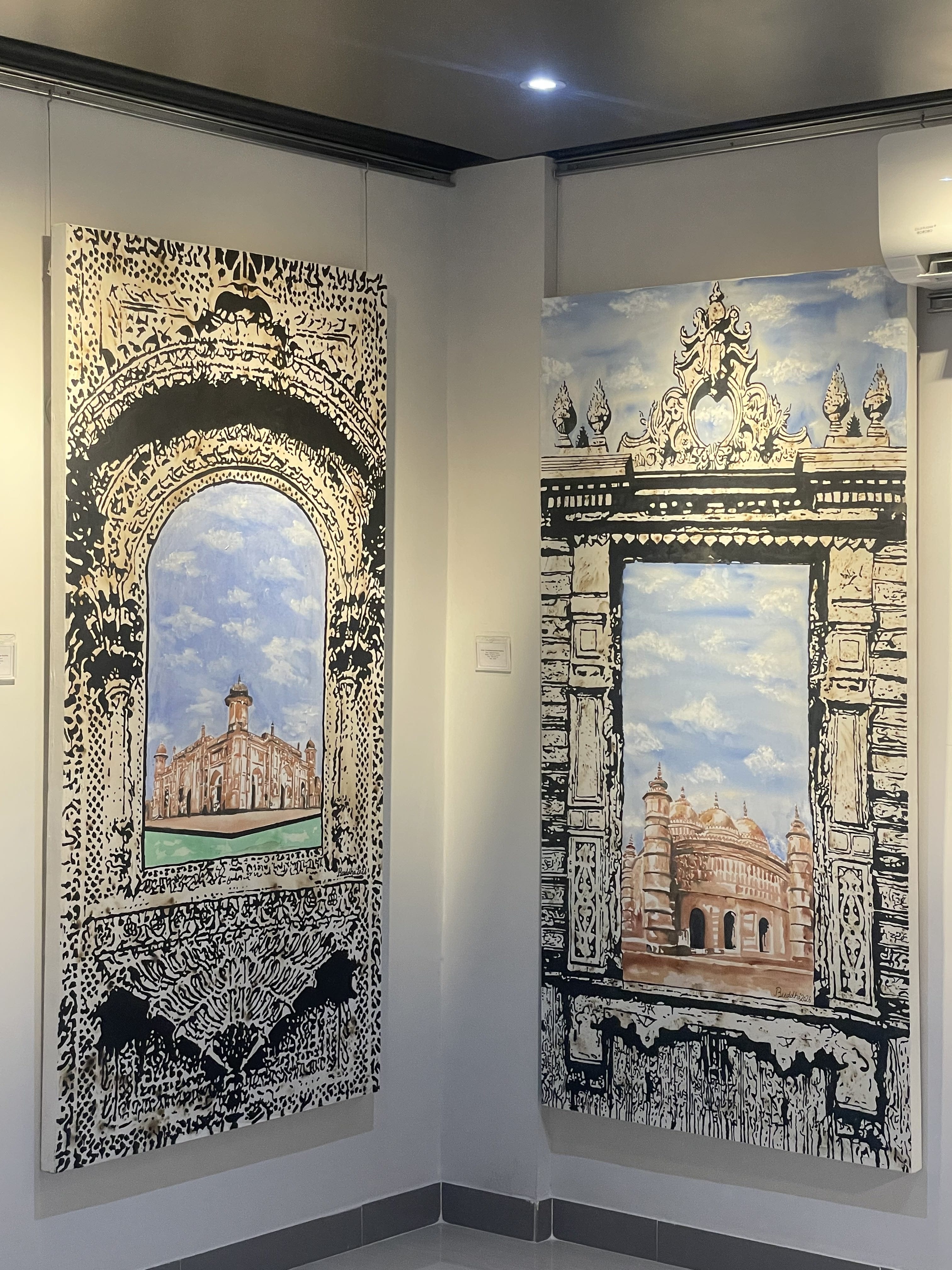
Among the participating artists, Proshanta Karmakar Buddha presented works inspired by mosques and historical sites. His paintings reflected a sustained interest in sacred and historic architecture, treating built heritage as a living archive rather than a static monument. A significant aspect of his artistic philosophy is his belief in an “open door” approach. Through this idea, he questions the artificial divisions created by borders and political boundaries.
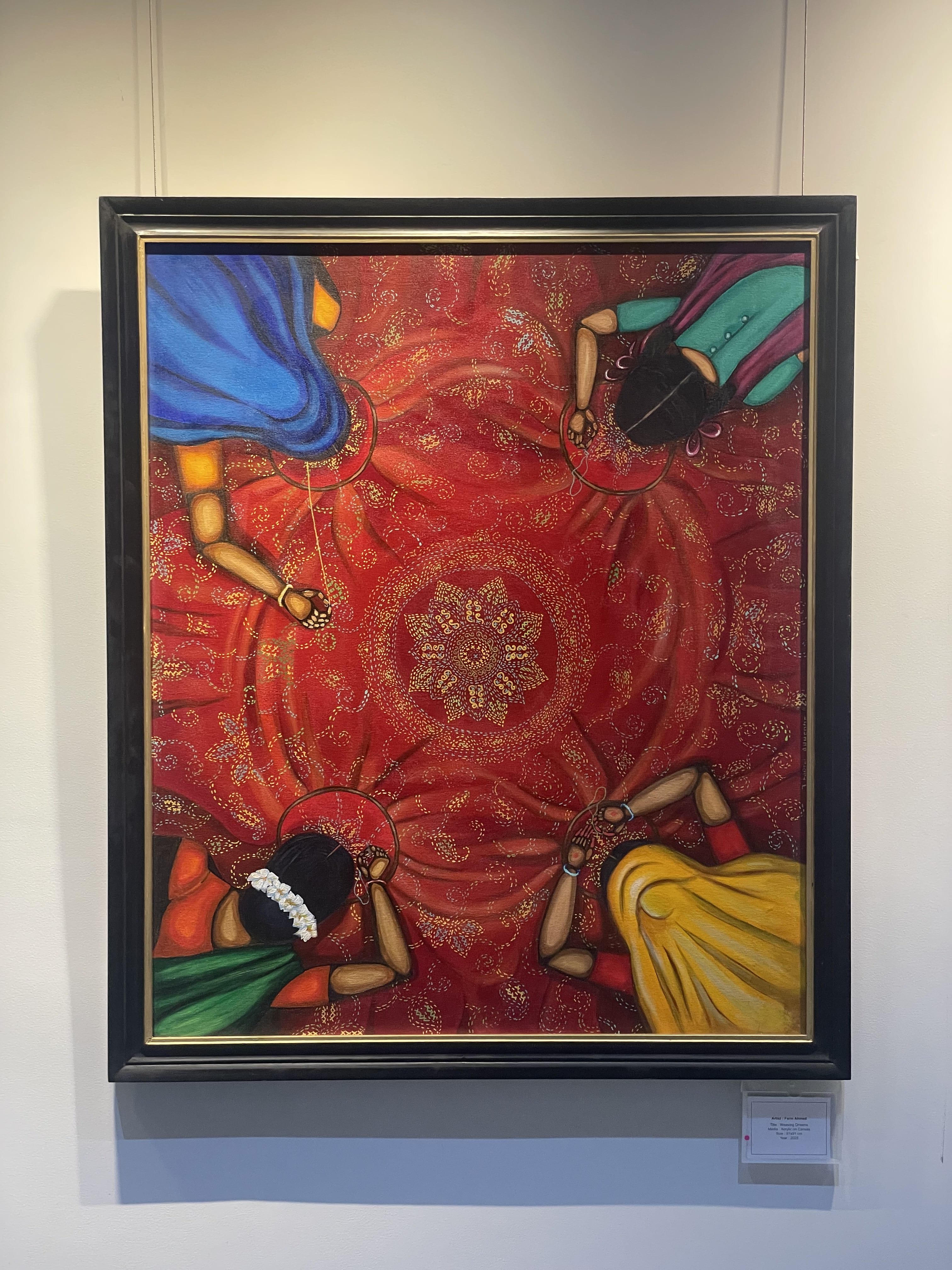
Farin Ahmed’s works drew attention to Bangladesh’s fading artisanal traditions and craft-based heritage. Her stated aim was to highlight the country’s disappearing artisans and traditional crafts through her art.
Eliza Rahman contributed six artworks to the exhibition, while Shilpi Ali’s participation further expanded the range of artistic voices.
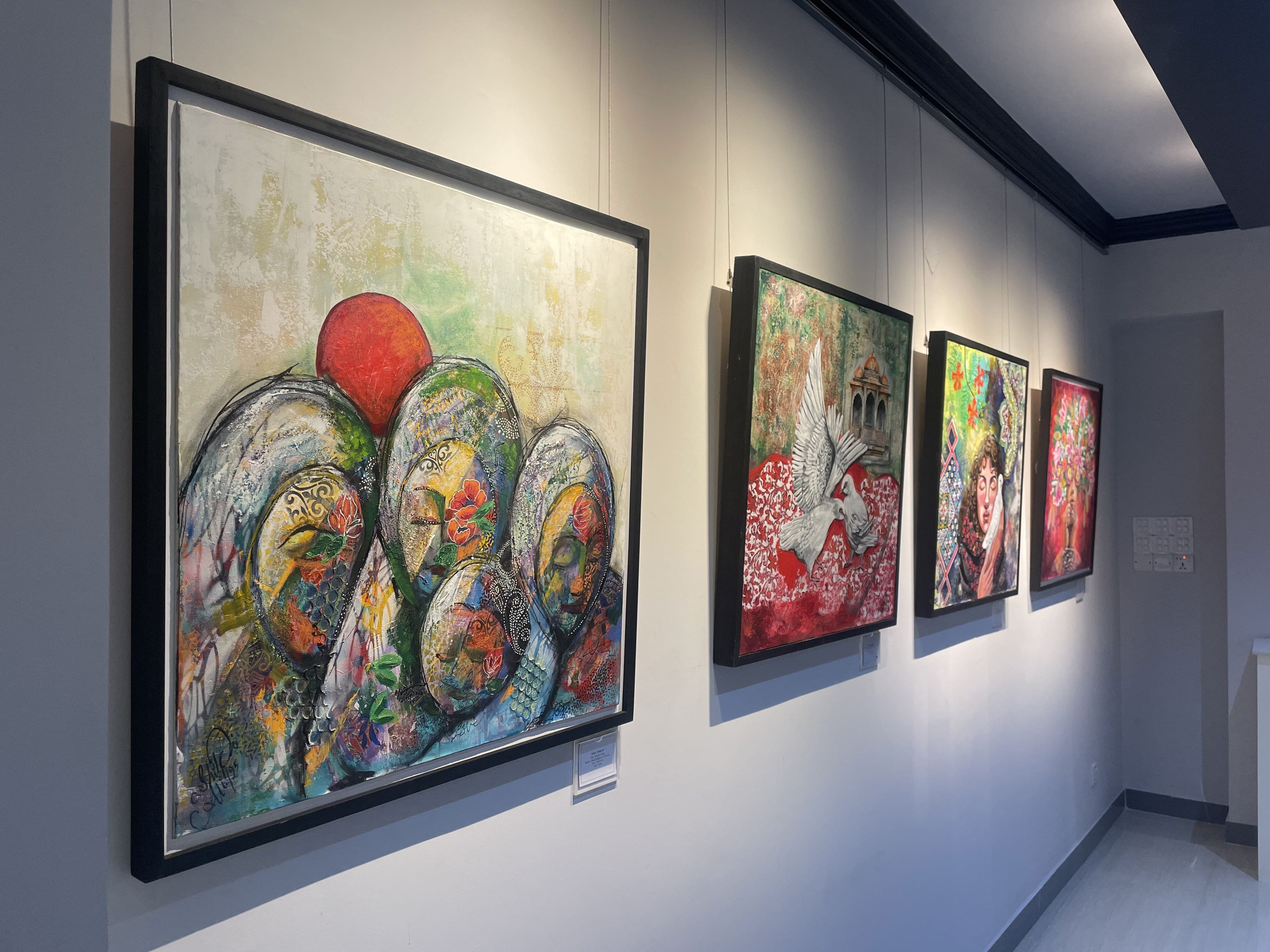
The exhibition uses these perspectives to frame heritage as something intimate and enduring. It connects personal memory with social history and positions art as a means of preserving what risks being forgotten.
At a time when rapid urban growth and social change continue to reshape cultural landscapes, “Petals of Time” offers a reflective space for reconsidering inheritance. The exhibition does not treat heritage as nostalgia alone. Instead, it presents heritage as an active force that continues to influence how individuals and communities understand identity, place, and belonging. Through the participating artists’ works, Desh Art Gallery has created an exhibition that invites viewers to look backward with care and forward with cultural responsibility.


Comments