


Pahela Baishakh is not just a date on the calendar: Khairul Anam Shakil

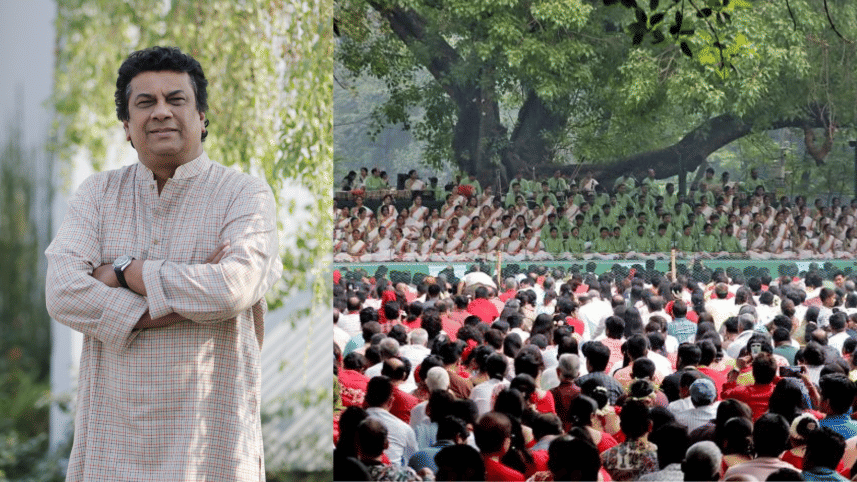
For Khairul Anam Shakil, Nazrul Sangeet exponent and vice president of Chhayanaut, Pahela Baishakh is far more than the start of a new year—it is a living expression of Bangali identity.
Every year, from the first serene notes of morning ragas at Ramna Batamul to the vibrant celebrations that follow, Shakil has witnessed generations of Bangalis come together to celebrate their language, music, and culture.
 For all latest news, follow The Daily Star's Google News channel.
 “Pahela Baishakh is not just about marking a date on the calendar,” he says. “It is a declaration: ‘I am Bangali, I have my own culture, and I am proud of it.’”
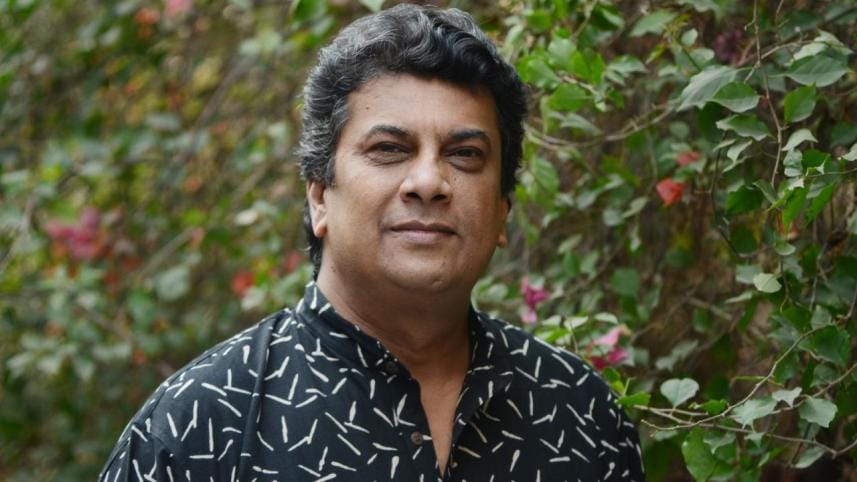
Chhayanaut’s Ramna Batamul programme has been central to his life since the mid-1960s, except during the Liberation War and the COVID years. “Every year, hundreds of thousands gather to celebrate. We present morning melodies, folk music, patriotic songs, and compositions that highlight humanity and peace. Our hope is always that this spirit of joy and harmony prevails in our country.”
The day begins with classical morning ragas—Bhairav, Bhairavi, and Todi—performed vocally and with instruments such as the sitar, sarod, and flute. This is followed by compositions by Rabindranath Tagore, Kazi Nazrul Islam, and other local composers.
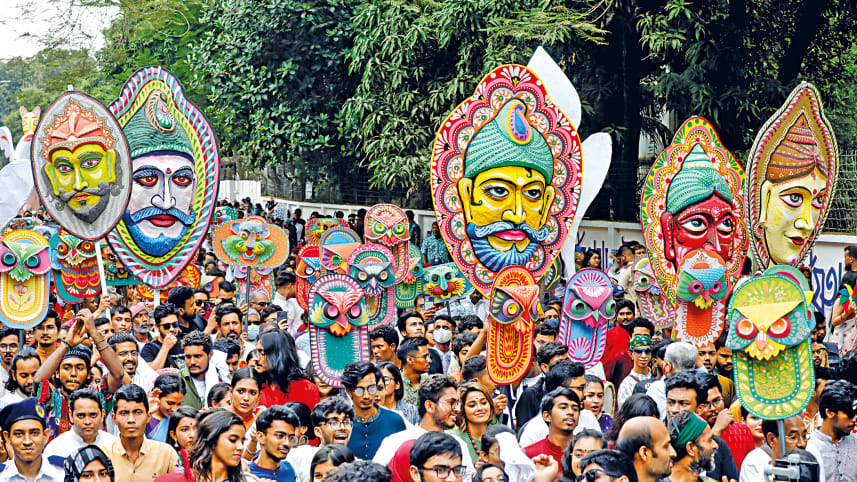
“Over time, what began as a gathering of a few hundred people has grown into a massive cultural celebration,” Shakil explains. “Families bring their children to connect with Bengali culture, creating a vibrant atmosphere of joy and festivity.”
Shakil’s own journey with Chhayanaut began with group performances, later moving on to solo renditions. “Participating in the programme was a great source of pride. Students were motivated to rehearse extensively to maintain its artistic quality. The sense of collective joy and cultural identity remains unmatched.”
Pahela Baishakh at Ramna Batamul is more than music. Fairs, artisan stalls, and displays of Bengali crafts transform the area into a vibrant cultural space. “Alongside other major festivals, Pahela Baishakh stands as one of the largest celebrations for Bengalis. People of all faiths take part, setting aside differences. This festival has now spread globally, with celebrations in Australia, the United States, Japan, and beyond.”
Shakil stresses the importance of instilling Bengali identity in children. “Parents have a responsibility to teach their children pride in their language and culture. Schools and colleges also play a role by organising Pahela Baishakh events and book fairs, helping young people stay connected to tradition.”
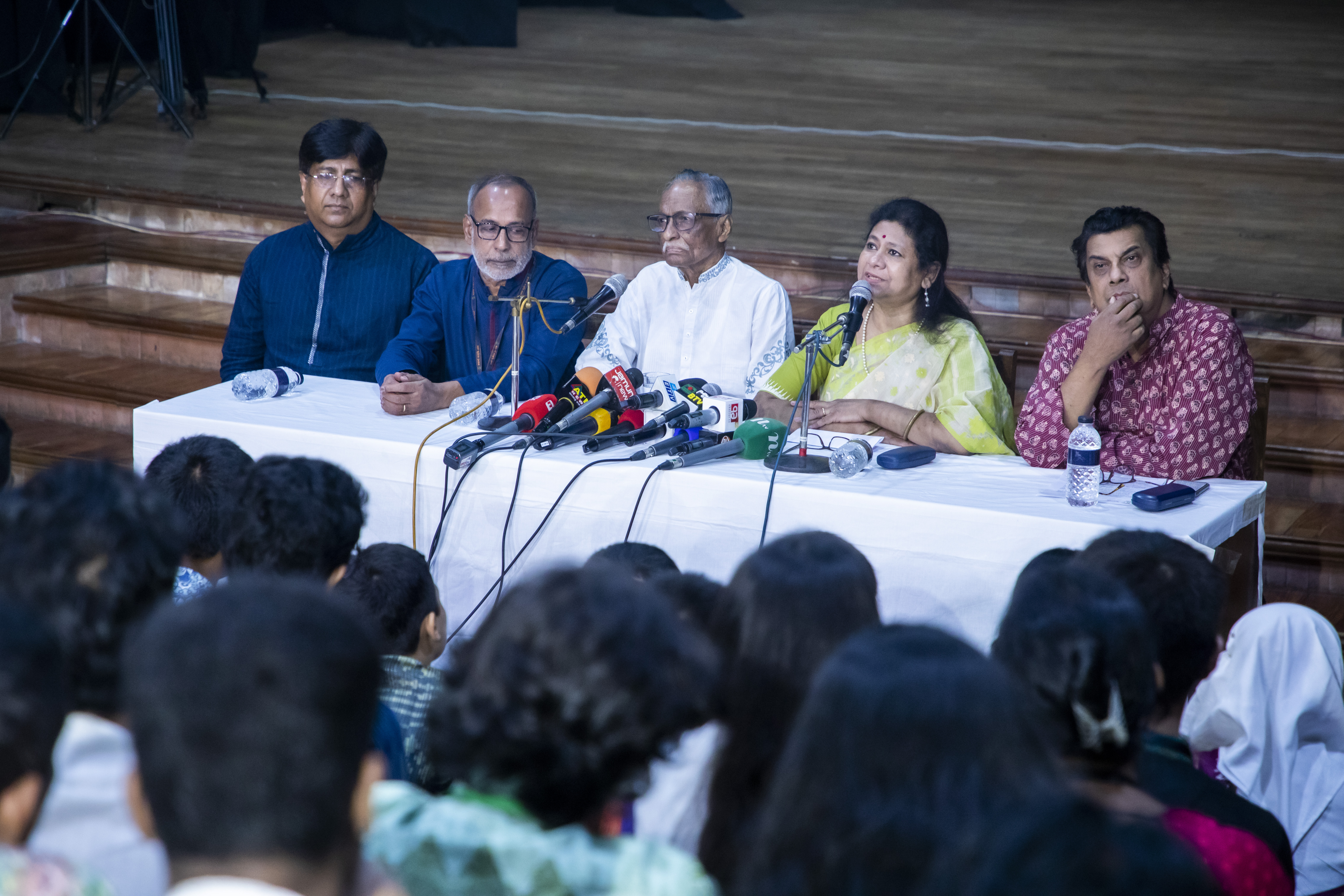
Acknowledging the influence of global culture and the internet, he emphasises the need to preserve core Bengali values. “To truly be a Bengali, one must respect one’s own culture. Only then can one appreciate world cultures and become a genuine global citizen,” he quotes Gurusaday Dutta.
Comments