


How films evolved from meet-cutes to mixed signals

There was a time when falling in love in the movies was remarkably straightforward. Two strangers would quite literally bump into each other. A missed train, a shared taxi, a case of mistaken identity, or an accidental encounter in a bookshop was enough to set destiny in motion. The rest was simply a matter of waiting for the inevitable grand gesture, be it a dramatic airport chase, a heartfelt confession in the rain, or an emotional speech delivered just before someone boarded a plane. For decades, cinema taught audiences that love was largely a question of timing. Today, it teaches us something very different.
Modern romances are filled with unread messages, ghosting, dating apps, almost-relationships, emotional unavailability, and the dreaded question: “What are we?” Somewhere between handwritten letters and read receipts, romance on screen quietly evolved. In many ways, it evolved alongside us.
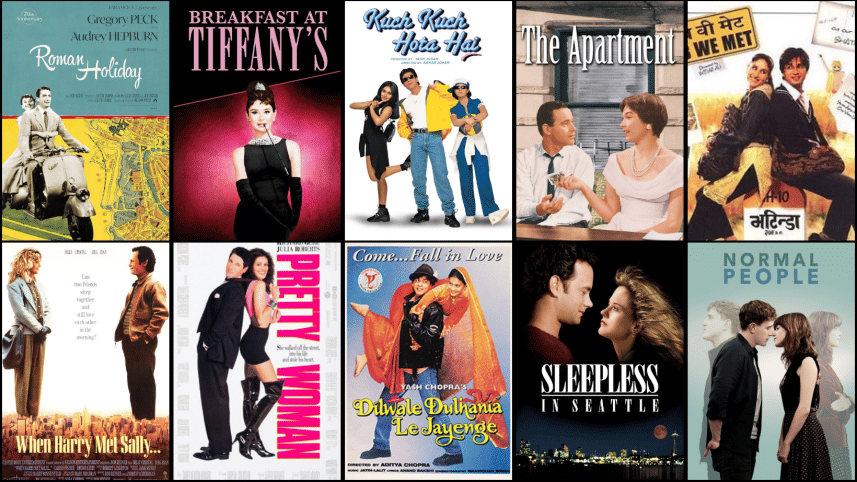
The earliest romantic films were built on a simple but powerful idea: love was fate. In classics such as “Roman Holiday”, “Breakfast at Tiffany’s”, “The Apartment”, and “The Sound of Music”, romance often emerged from chance encounters. Characters met because life threw them together. They did not swipe right or optimise dating profiles; they simply crossed paths. The conflict rarely came from uncertainty about their feelings but from circumstance. Class differences, social expectations, geography, or timing stood in their way. Communication itself shaped these stories. Letters took days to arrive. Phone calls were expensive. Missing someone often meant actually losing contact. Distance created longing because distance was real.
By the late 1980s and throughout the 1990s and early 2000s, the romantic comedy had perfected its formula. “When Harry Met Sally…” asked whether friendship could become love. “Pretty Woman” transformed an unlikely encounter into a fairy tale. “Sleepless in Seattle” built an entire romance around two people who barely met until the final scene. “Notting Hill” imagined that an ordinary bookshop owner could fall for the world’s biggest movie star. This was also the era of the grand gesture. Love declarations interrupted weddings. People ran through airports. Boom boxes appeared outside bedroom windows. Characters crossed countries because they suddenly realised they had been in love all along. Bollywood embraced the same optimism. “Dilwale Dulhania Le Jayenge” made missed trains and European holidays synonymous with romance. “Kuch Kuch Hota Hai” convinced an entire generation that friendship naturally transformed into love, provided enough years had passed. “Jab We Met” turned an accidental train encounter into one of Hindi cinema’s most beloved romances. These films reflected the dating culture of their time. People still met through family, friends, workplaces, or sheer coincidence. Romance depended on physical proximity. Finding someone often felt like finding the right person.
Then the internet happened. Interestingly, one of the first films to capture this transition was “You’ve Got Mail”. Released in 1998, it treated email as something almost magical: a way for two strangers to know each other before meeting face to face. Today, that premise feels almost quaint. Technology did not eliminate romance. It complicated it. The smartphone fundamentally changed how people date, and cinema changed with it. Characters no longer disappear because they missed a train. They disappear because they stop replying. Conflict is no longer created by physical distance but by emotional ambiguity. Recent films and television series rarely ask whether two people will fall in love. Instead, they ask whether those people are emotionally capable of sustaining a relationship at all.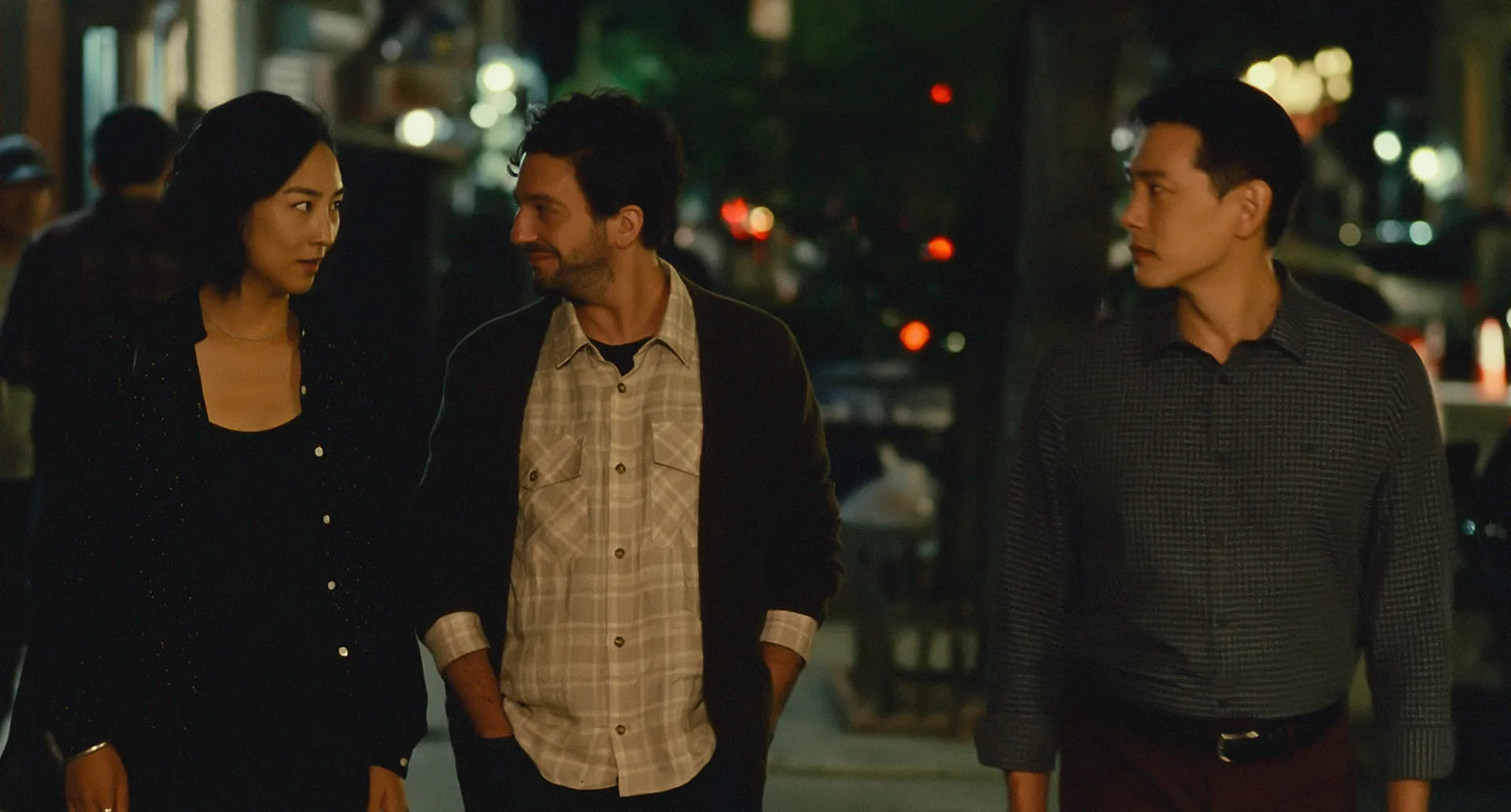
Few stories capture this better than “Normal People”. Connell and Marianne are almost never separated by geography. They have each other’s phone numbers. They can call, text, and meet whenever they want. Yet they spend years misunderstanding one another, hesitating, overthinking, and failing to articulate what they feel. The obstacle is no longer communication. It is clarity. “Past Lives” offers another striking example. Nora and Hae Sung reconnect after decades through video calls and social media. Technology makes reunion possible, but it cannot erase the emotional complexity of the lives they have built apart. Their relationship is defined not by destiny but by unanswered possibilities.
Even recent romantic comedies have become noticeably more cautious. Films like “The Worst Person in the World”, “Cha Cha Real Smooth”, and “Materialists” present love as something deeply intertwined with career choices, personal growth, mental health, and timing. Relationships begin, pause, restart, and sometimes end without obvious villains. Closure is no longer guaranteed. Television reflects the same shift. “One Day” revisits decades of missed opportunities between two people whose lives repeatedly intersect. “Nobody Wants This” explores romance through mature conversations, religious differences, and emotional baggage rather than fairy-tale coincidence. Modern love stories increasingly acknowledge that attraction alone is rarely enough.
Perhaps the most significant change is the disappearance of certainty. Classic romances assumed there was someone meant for you. Contemporary romances ask whether either of you is ready. The language of dating has evolved accordingly.
Words like ghosting, breadcrumbing, situationship, love bombing, and avoidant attachment have entered everyday vocabulary. They describe emotional experiences that older films rarely acknowledged because the social landscape itself was different. It is difficult to imagine characters in “Roman Holiday” wondering whether they were exclusive. Equally, it is difficult to imagine Connell and Marianne solving their relationship with a dramatic airport chase. Even the meet-cute itself has changed. Where older films relied on chance encounters in bookshops, cafés, or trains, today’s romances often begin with notifications, dating apps, or mutual Instagram follows. Serendipity has not disappeared; it has simply become digital. And cinema has adapted because audiences have. Young viewers recognise themselves in awkward texting, unread messages, and relationships that resist labels in ways they may no longer recognise sweeping declarations of eternal love after a week of knowing someone. The fantasy has shifted from finding “the one” to finding someone emotionally available.
Yet it would be unfair to say romance has disappeared from the movies. If anything, it has become more emotionally honest. Modern films are less interested in perfect endings than in imperfect people. They recognise that love now exists alongside careers, therapy, relocation, financial uncertainty, and constantly connected lives. The happy ending is no longer marriage; sometimes it is simply emotional growth.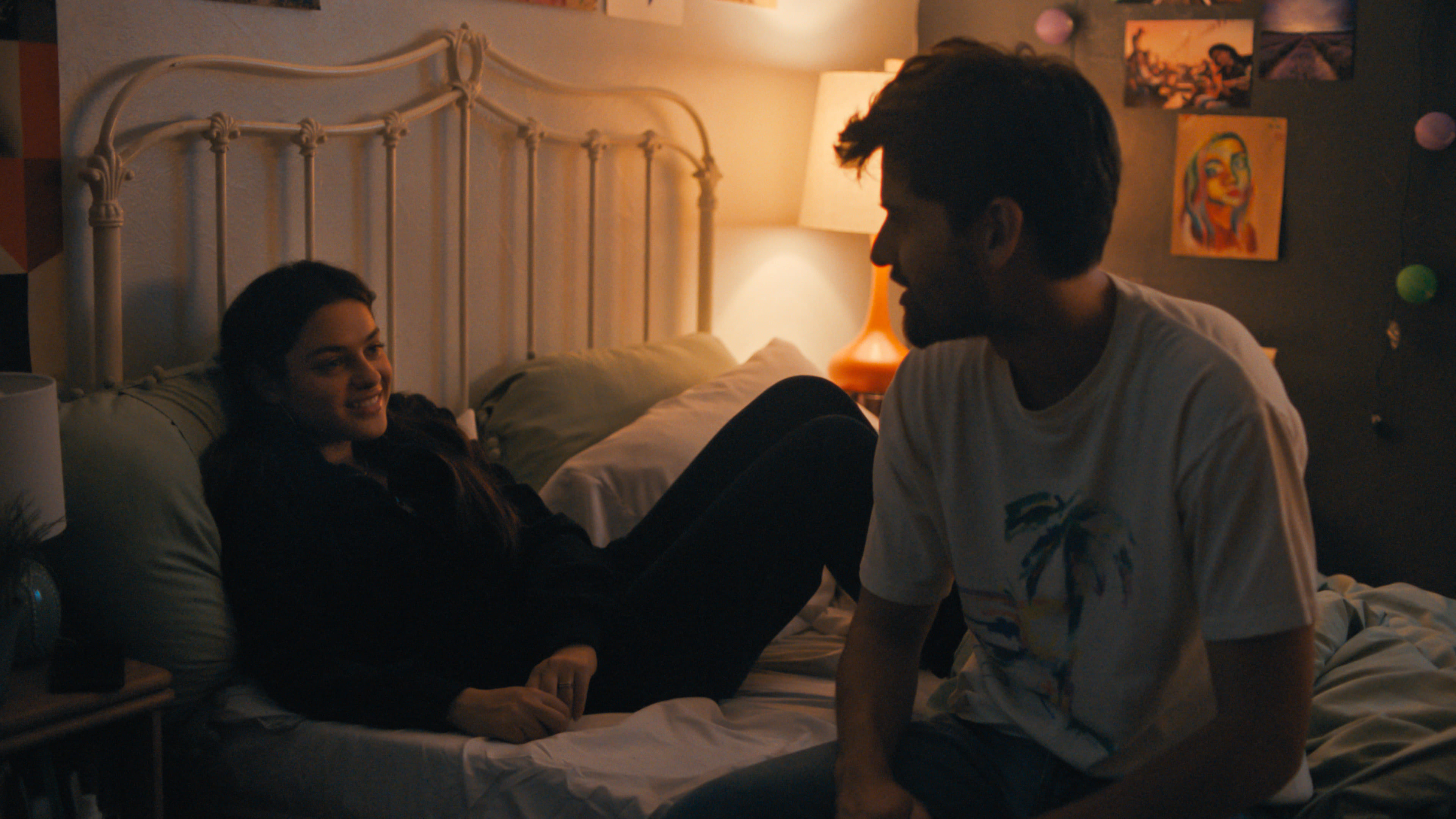
Of course, nostalgia has a way of making older romances seem simpler than they really were. Every generation believes love was easier in the past. The films themselves encourage that belief. There is undeniable comfort in revisiting worlds where misunderstandings could be solved with one heartfelt speech and every airport still allowed dramatic last-minute reunions. But perhaps cinema has always done what it does best: reflect the world around it.
The romances of the 1960s were shaped by the realities of their time. The rom-com boom of the 1990s mirrored an era that still believed in grand gestures and soulmates. Today’s stories, with all their ambiguity, uncertainty, and emotional complexity, are simply holding up a mirror to modern relationships. Maybe the defining love story of every generation is not about how two people fall in love. It is about what keeps them apart. Once, it was distance. Now, despite carrying the entire world in our pockets, it may simply be the inability to answer one deceptively simple question: “What are we?”

 For all latest news, follow The Daily Star's Google News channel.


Comments