


State firms’ classified loans doubled in FY25
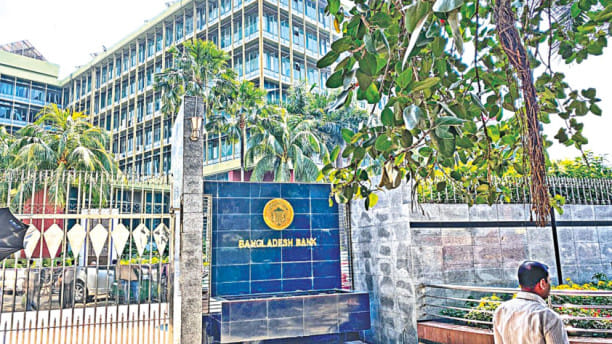
Classified loans of state-run firms more than doubled in fiscal year 2024-25 (FY25), with the Bangladesh Jute Mills Corporation (BJMC) accounting for nearly 88 percent of the total amount.
According to the Bangladesh Economic Review, classified loans of state-run firms rose to Tk 429 crore at the end of FY25, up from Tk 199 crore a year earlier. Of that amount, BJMC alone held Tk 377 crore, equivalent to 87.88 percent of the total, up sharply from Tk 131 crore in the previous fiscal year.
 For all latest news, follow The Daily Star's Google News channel.
 The surge highlights the continued non-performance of BJMC, even after the government shut down 25 state-owned jute mills in 2020, citing persistent losses, high production costs and inefficiencies.
In April 2021, BJMC, which manages all government-owned jute factories and industries in Bangladesh, invited private investors to lease out 17 mills for periods ranging from five to 20 years in an effort to reduce fiscal pressure.
More than a dozen mills have since been handed over to private operators under lease agreements. However, the remaining operational mills continue to incur losses, keeping BJMC's loan classification under stress.
Among other state-run enterprises, Bangladesh Agricultural Development Corporation (BADC) had the second-highest classified loans, unchanged at Tk 21 crore during the year, the data showed.
At the end of June 2025, the outstanding debt of state-run enterprises rose by more than 33 percent year-on-year to Tk 63,357 crore.
BADC, which supplies agricultural inputs such as seeds and fertilisers, remained the largest debtor, with its outstanding debt increasing by around 30 percent to Tk 18,059 crore.
Bangladesh Petroleum Corporation (BPC) -- responsible for importing, distributing, and marketing petroleum products -- emerged as the second-largest debtor. During FY25, its outstanding debt surged to Tk 9,579 crore from just Tk 175 crore a year earlier.
Outstanding debt at the Trading Corporation of Bangladesh (TCB) rose by 76 percent to Tk 7,339 crore. Loans to the Bangladesh Power Development Board -- responsible for planning, developing, and operating the nation's power infrastructure -- climbed to Tk 5,243 crore from Tk 1,187 crore.
Outstanding debt of the Bangladesh Sugar and Food Industries Corporation and the Bangladesh Chemical Industries Corporation rose slightly and remained above Tk 8,000 crore during the fiscal year.
In contrast, outstanding debt of the Mongla Port Authority declined to zero from Tk 5,916 crore a year earlier.
When state-run enterprises face funding shortages, the government typically steps in with budgetary support to keep operations running. However, years of weak performance have left many unable to repay loans, pushing up outstanding liabilities.
An analysis of the top four debtor enterprises shows that limited profitability or sustained losses have driven reliance on government borrowing.
The Economic Review also showed that debt service liabilities of state-run, semi-autonomous and self-governing bodies stood at Tk 241,746 crore at the end of the fiscal year, with the Bangladesh Power Development Board accounting for the largest share at Tk 94,342 crore.
Comments