



Expert advice on detecting and managing PCOS in young women
21 April 2026, 16:04 PM
Manage PCOS symptoms with expert advice from Dr. Tanzeem Chowdhury at BIRDEM. Addressing hormonal imbalances, weight gain, and infertility, Bangladeshi women can achieve functional reversal through balanced nutrition, regular exercise, and essential medical screenings.
21 April 2026, 16:04 PM
#Social Issues / Why society must stop judging people by their body size
5 April 2026, 16:58 PM
Confront body shaming by prioritizing psychological well-being and functional fitness over dangerous trends like OMAD. Tasfia Tamkin Reza and Mohammed Asad advocate for empathy and strength training to foster long-term health and sustainable confidence.
5 April 2026, 16:58 PM

#Women Empowerment / Women and the hidden cost of domestic abuse
24 November 2025, 08:25 AM
Domestic violence in Bangladesh leaves girls with lasting trauma, weak legal protection, and harmful cultural pressures, revealing systemic failures that endanger children and mothers while highlighting urgent needs for enforcement reform, community responsibility, and support.
24 November 2025, 08:25 AM
Why women need yoga after their 30s
1 November 2025, 10:21 AM
Bangladeshi yoga instructor Faria Athar Khan empowers women to reclaim balance through Hatha yoga, addressing stress, hormonal imbalance, and chronic illness. Her holistic approach restores physical strength, emotional stability, and identity, promoting lifelong wellness and community healing among women.
1 November 2025, 10:21 AM

#Perspective / How social media is distorting empathy and our mental health
18 October 2025, 08:30 AM
Social media’s pop psychology fuels self-diagnosis and performative empathy, distorting genuine compassion. Counsellor Mariyam Sultana highlights class, culture, and privilege shaping empathy in Bangladesh, urging self-awareness, authentic connection, and mindful action beyond online validation for genuine emotional understanding and societal well-being.
18 October 2025, 08:30 AM
#Health & Fitness / Eating right without starving: A practical nutrition plan for women
7 October 2025, 04:17 AM
Staying in shape while maintaining proper nutrition has almost always been an uphill battle for Bangladeshi women.
7 October 2025, 04:17 AM
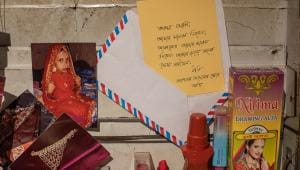
The changing narratives of Korail
12 June 2024, 07:00 AM
Whenever “Korail” comes to mind, the word that follows next is “bosti” (urban slum). However, there’s more to it than meets the eye.
12 June 2024, 07:00 AM

Fantastic bras, body positivity and more: In conversation with Monoshita Ayruani
27 May 2024, 07:17 AM
For the longest time, girls and women in Bangladesh have refrained from talking about their bodies…that too, in public. Long story short, breasts, bras, and lingerie have always been excluded from conversations.
27 May 2024, 07:17 AM
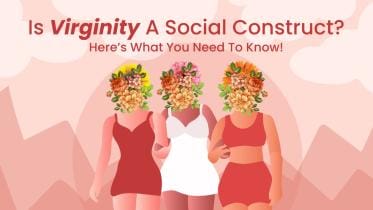
Breaking the stigma regarding virginity
From friends, relatives, partners, spouses or even the OB/GYN — at some point, everyone’s shown some strange (read: intrusive) interest in your sexual history.
21 August 2023, 00:45 AM

Here’s how sunglasses can safeguard your vision in this scorching summer
When your eyes are dried out, symptoms like stinging or burning, eye redness, scratch sensation as if there’s something floating inside or even sensitivity to light. But thanks to ophthalmologists and the fashion industry, sunglasses were made with the intention to cater to comfort and style statements to consumers.
12 June 2023, 09:41 AM
How you can tackle body odour this summer
With the heat and humidity rising every day, there are days when we often end up spraying ourselves with ample amounts of body sprays or colognes, as a quick fix for body odour. Little do we realise, how much it worsens the situation.
5 June 2023, 11:16 AM

Kishwar Chowdhury: Discussing life, food, cookbook and her latest collaborations
Having both sides of East and West Bengal at home, Kishwar Chowdhury was able to broaden her palette. Her father, who’s from Bikrampur, is someone she describes as a ‘wholesome and hearty cook.’ Hence, neharis, biriyanis and bhunas remained his M O in the kitchen. Through her mother, who’s from Burdwan, she was introduced to meals that required light and delicate ingredients. “Growing up with my father’s Nawabi, Bengal-Mughal inspired dishes and my mother’s lighter dishes, we really had the best of Bengal at home.”
3 June 2023, 11:06 AM
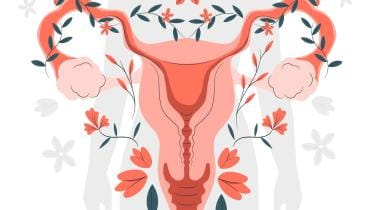
Tired of your regular sanitary napkins? Try these products for a change
Researchers find that plastic materials in napkins and diapers take around 300 years to decompose in soil, which may lead to severe environmental consequences. But with increasing awareness and interventions in menstrual hygiene management across the country, the products in Bangladesh are slowly but surely changing. Their benefits are more long-lasting than the plastic products we have made ourselves complacent to.
28 May 2023, 09:56 AM
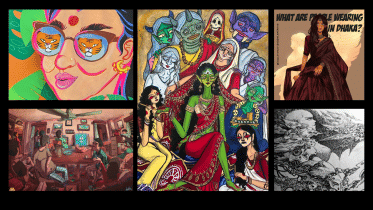
5 Bangladeshi artists you should follow on Instagram
From pop art, rickshaw art, digital art, murals to cartoons, there are geniuses tucked away in the nooks of Dhaka city and beyond. These five artists really go above and beyond to bring fresh artistic perspectives for audiences on the digital space. Here are our picks for the top 5 Bangladeshi Insta-artists you should be following.
10 May 2023, 11:27 AM
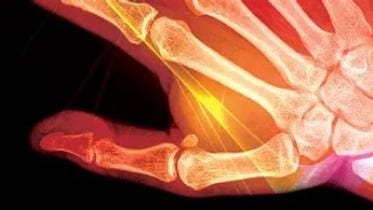
Musculoskeletal Disorders: signs and symptoms to lookout for
To say that neck and back pain are minor speed bumps in the process of ageing would be quite an understatement. Rheumatoid illnesses pack a cocktail of conditions that start off with one area of the body and gradually spill onto other parts, thus impacting our functionality and eventually productivity.
12 March 2023, 09:38 AM
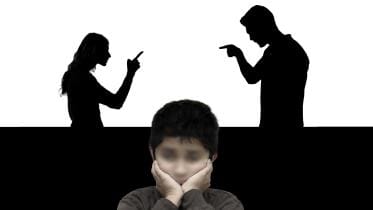
How dysfunctional marriages affect children
Although many marriages seem wholesome and strong on the outside, the dynamic can be entirely different behind closed doors. The cracks however, are only addressed when a seemingly perfect marriage suddenly crumbles, leaving people to wonder, ‘what could’ve possibly gone wrong?’ What often remains unaddressed is how children in these settings are coping with changing home environments.
16 January 2023, 04:02 AM
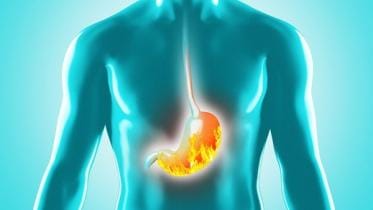
All you need to know about peptic ulcer: Causes, symptoms, and treatment
The causes of what we commonly identify as 'gastric' starts off small — from snacking on our favourite dairy-based dessert, or taking a smoke break immediately after wolfing down fried foods, the triggers are aplenty. To think that a sudden case of gas and acid reflux will not set us back for a lifetime would be a wrong idea. It is only a matter of time that the minor heartburn becomes a major obstacle to living a healthy life. It is not entirely impossible to curb gastrointestinal maladies, but in order to do so it is essential to get to the root of the cause while also making some major changes to one's lifestyle.
27 November 2022, 09:56 AM

Understanding skin diseases and their long-term effects
Common and chronic skin illnesses among patients in Bangladesh includes fungal disease, psoriasis, atopic dermatitis, seborrheic dermatitis, and acne vulgaris. These diseases are spread out across patients of diverse age groups. In order to understand if a skin problem has gone chronic, the tell-tale signs would be the persistence of the disease for a longer period even without any interaction as well as recurrence or relapse of the disease.
7 November 2022, 11:06 AM
A Brave New World: How the urban youth are tackling mental health
When addressing mental health in Bangladesh, we’re no strangers to being labelled ‘mad’ or in the Bengali definition ‘pagol,’ when we acknowledge our depression or want to invest in therapy. Among the mentally ill, the youth form a significant number. While many suffer needlessly, others actively seek assistance to tackle their mental health issues and overcome them.
10 October 2022, 08:13 AM
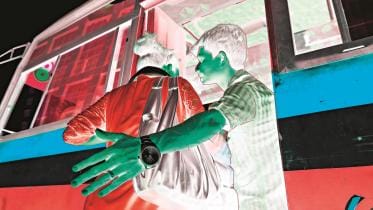
A day in the life of a woman in this city
For a girl or a woman living in Dhaka city, the possibility of being sexually harassed is a reality she has lived with from a very early age.
9 March 2020, 18:00 PM

Educated but unskilled: shortfalls of formal education in a narrowing job market
"Lekha pora kore je, gari ghora chore shei!”— an idiom very familiar to Bengalis that promises “cars and horses”, in other words, wealth, provided we studied sincerely.
29 February 2020, 18:00 PM