


Mistakes to avoid while setting up your bedroom
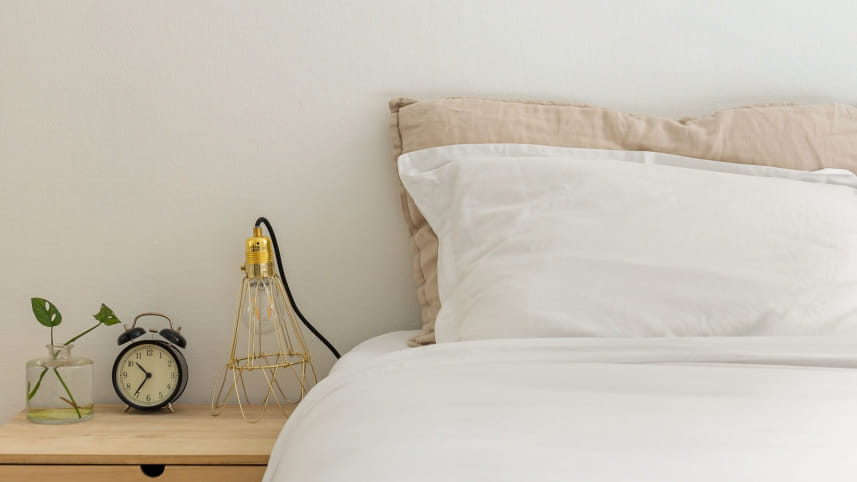
The bedroom is often considered the most personal space in a home. It is where people begin and end their day, seek rest after long hours of work, and find privacy from the outside world. Yet, many homeowners invest heavily in furniture and decor without properly planning how the space will function in everyday life.
Interior designers say that a bedroom should not only look attractive but also support comfort, relaxation, storage, and healthy living. In Bangladesh, where urban apartments are becoming increasingly compact, poor planning can quickly make a bedroom feel cramped, uncomfortable, and inefficient.
According to Architect Musfika Bhuiyan and Samira Akter from Studio Okkho, some of the most common mistakes include poor furniture placement that blocks movement, choosing furniture that is too large for the room, inadequate storage planning, relying on a single light source, blocking natural light and ventilation, and prioritising trends over comfort and functionality.
Here are some of the most common bedroom setup mistakes and how to avoid them.

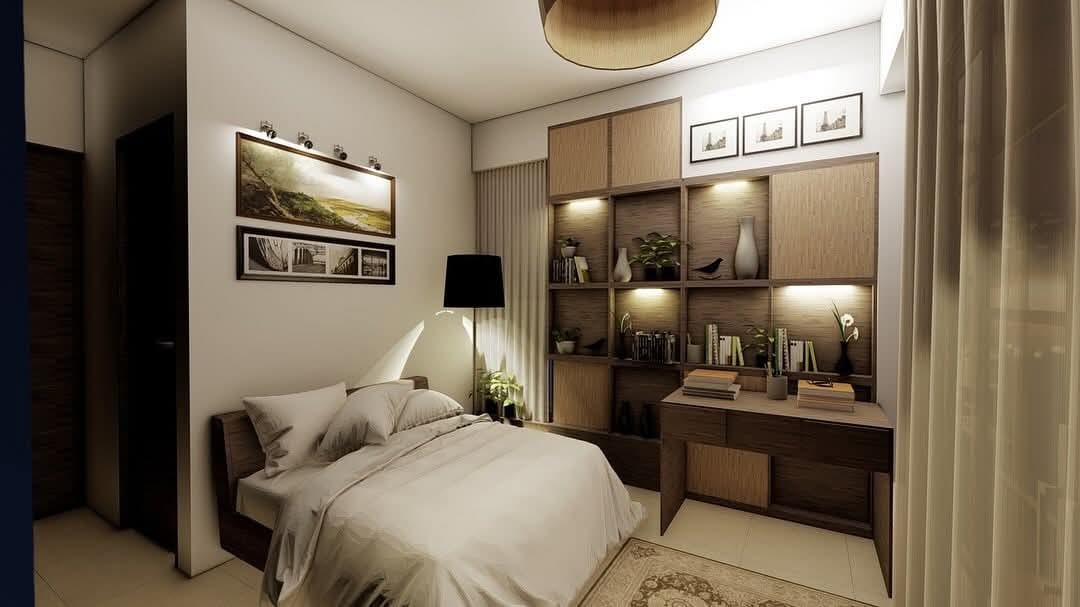
Placing the Bed directly under the AC airflow
Many homeowners position the bed directly beneath the air conditioner simply because it seems convenient. However, sleeping under constant cold airflow can cause discomfort, dryness, headaches, and interrupted sleep.
Designers recommend positioning the bed so that cool air circulates throughout the room rather than blowing directly onto the sleeper. Proper placement also improves energy efficiency and overall comfort.
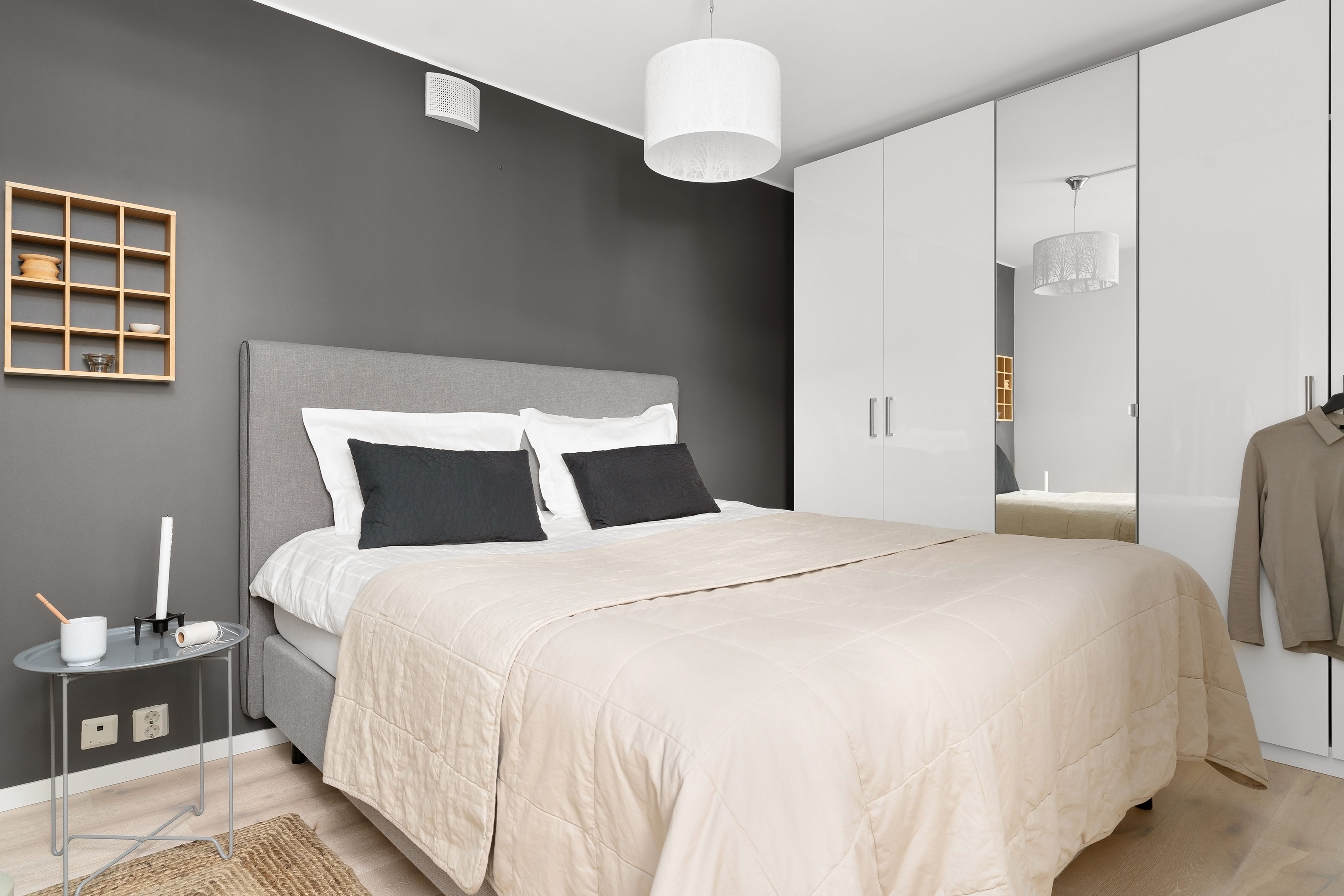
Choosing the Wrong Lighting
Lighting is one of the most overlooked elements in bedroom design. Many bedrooms rely solely on a bright ceiling light, creating a harsh atmosphere that feels more like an office than a place for rest. A well-designed bedroom should include layered lighting. This may include ambient lighting for general illumination, bedside lamps for reading, and softer lighting options for relaxation.
Warm-toned lighting is generally more suitable for bedrooms, helping create a calm and comfortable environment. During the day time a room should also have proper natural lighting.
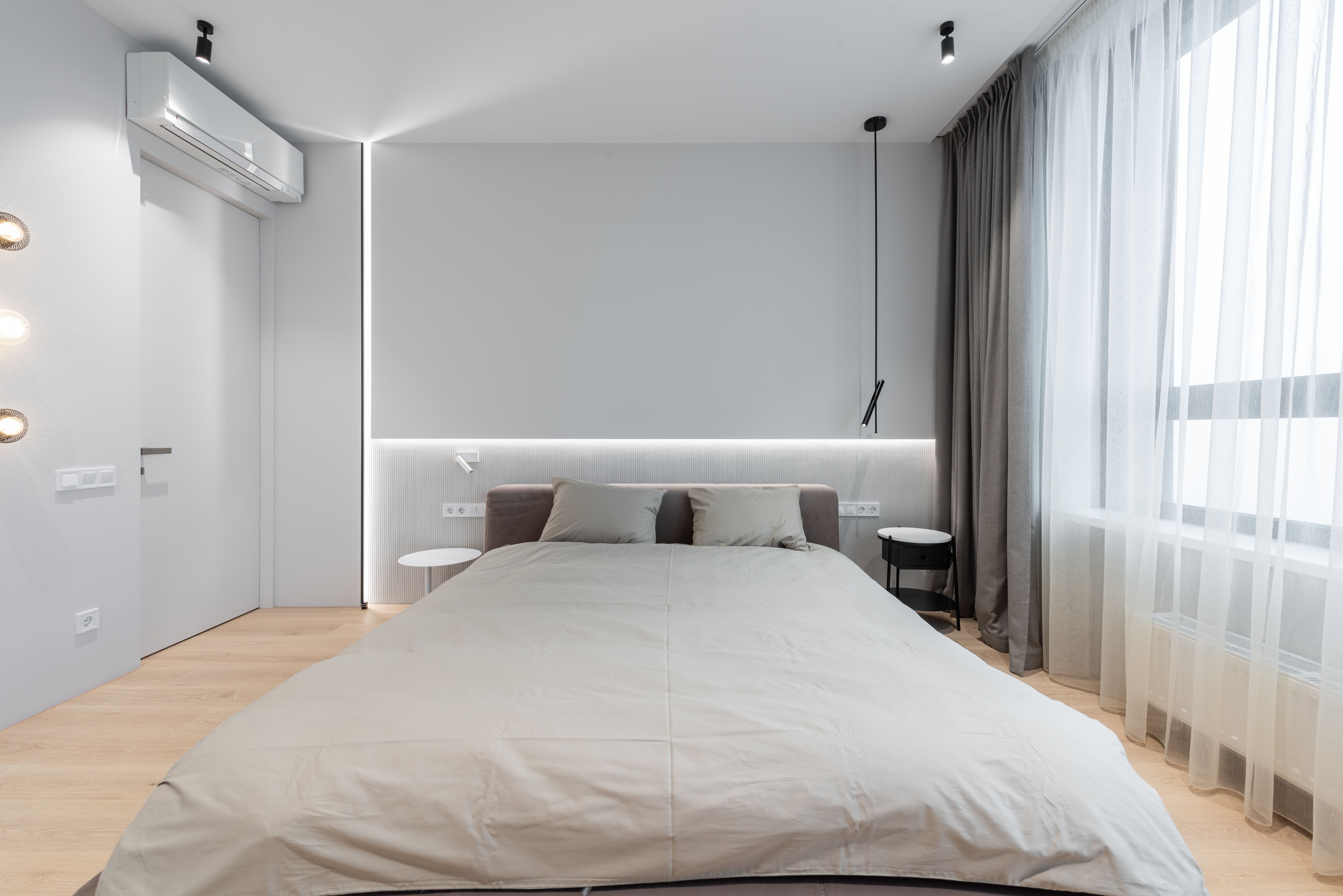
Filling the room with too much furniture
A common mistake in Bangladeshi homes is trying to fit every desired furniture item into a limited space. Large beds, oversized wardrobes, dressing tables, extra chairs, and multiple storage units can leave little room for movement.
According to Musfika Bhuiyan, choosing furniture that is too large for the room is one of the most frequent design errors. Even expensive furniture can make a room feel smaller and more cluttered if it is not proportionate to the available space.
Ignoring storage planning
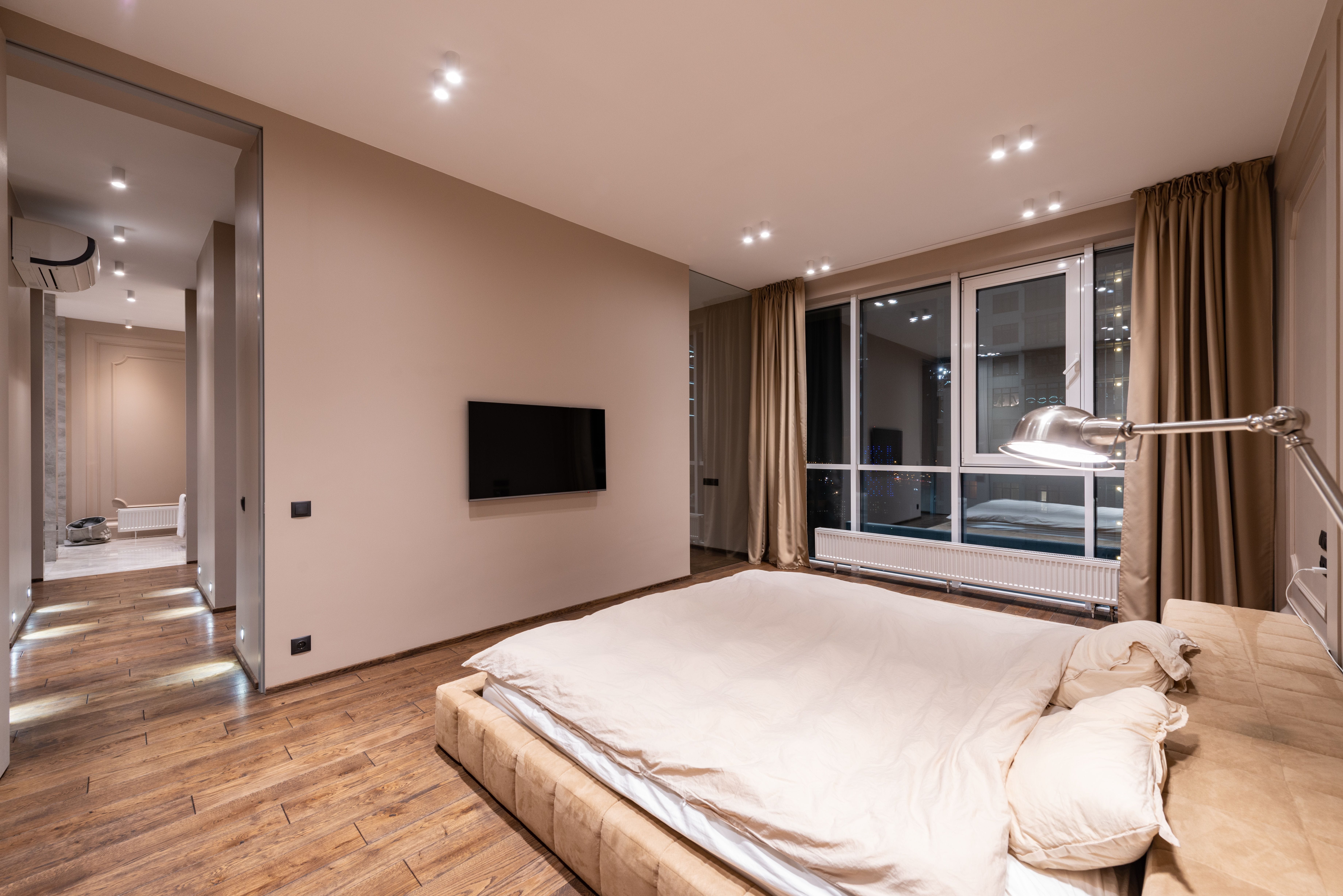
Storage problems often become visible only after people move into a room. Without proper planning, clothes, bags, books, and miscellaneous items quickly accumulate and create clutter.
Samira Akter notes that insufficient storage planning is a major issue in many homes. Built-in wardrobes, under-bed storage, vertical shelving, and multifunctional furniture can help maximise available space without making the room feel crowded.
Good storage design keeps a bedroom organised and visually relaxing.
Choosing the wrong curtains
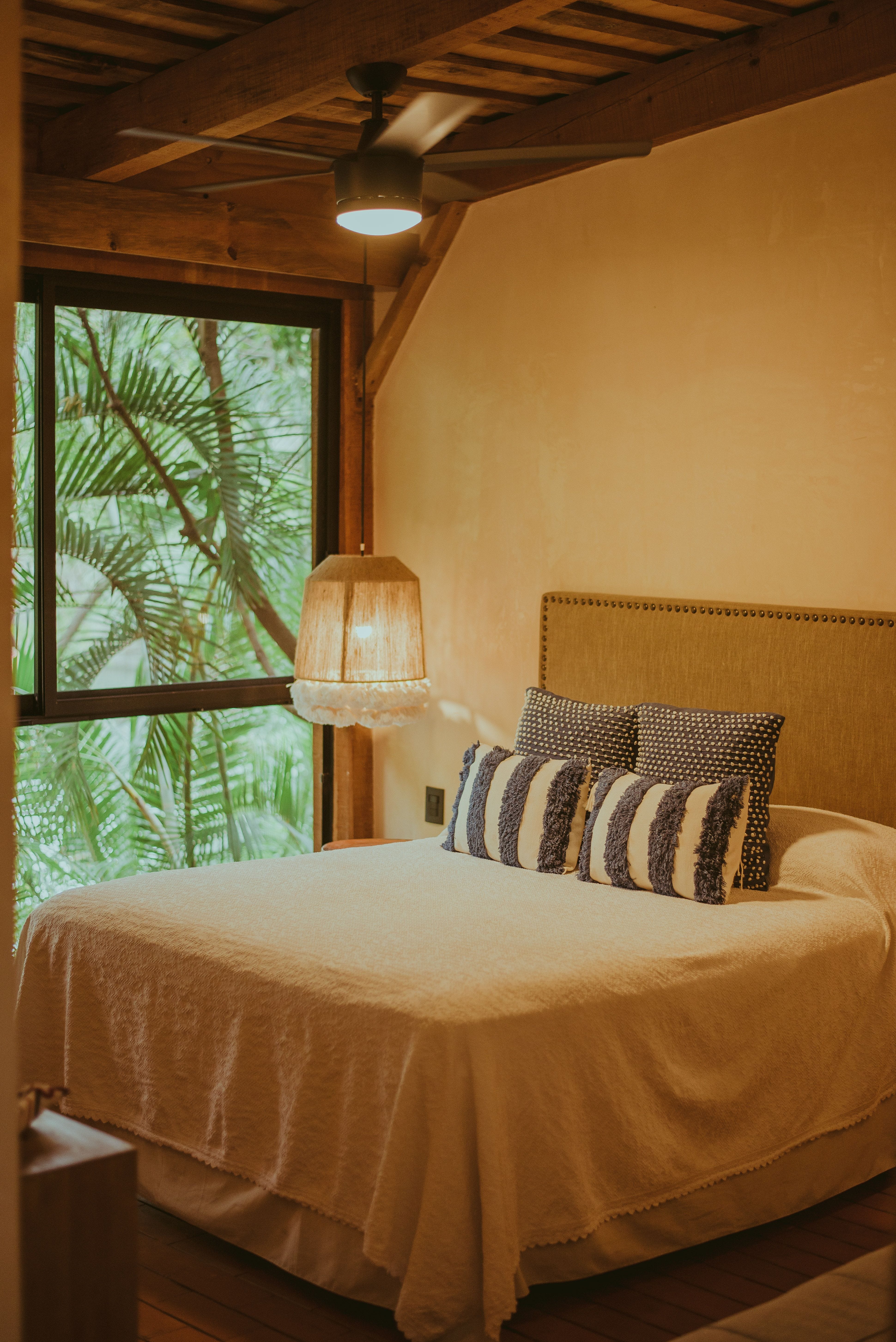
Curtains play a significant role in controlling light, privacy, and temperature. Yet many homeowners select curtains based solely on colour or trend. Heavy dark fabrics can make a small room feel gloomy, while very thin curtains may fail to provide privacy or block excessive sunlight. Designers recommend selecting fabrics and colours that complement the room's size, orientation, and lighting conditions while allowing adequate natural light during the day.
Blocking natural light and ventilation.
In many urban apartments, wardrobes, shelves, or even beds are positioned in ways that partially block windows. Architects identify blocked natural light and ventilation as a common design mistake. Good airflow helps regulate indoor temperature, improves comfort, and reduces dependence on artificial lighting during the day.
Whenever possible, windows should remain unobstructed to maximise daylight and ventilation.
Poor furniture placement that restricts movement
A bedroom may contain all the necessary furniture and still feel uncomfortable if the layout is poorly planned. Furniture placed too close together can create narrow pathways, making everyday activities inconvenient. Designers recommend maintaining adequate clearance around the bed and ensuring smooth movement throughout the room.
Neglecting electrical planning
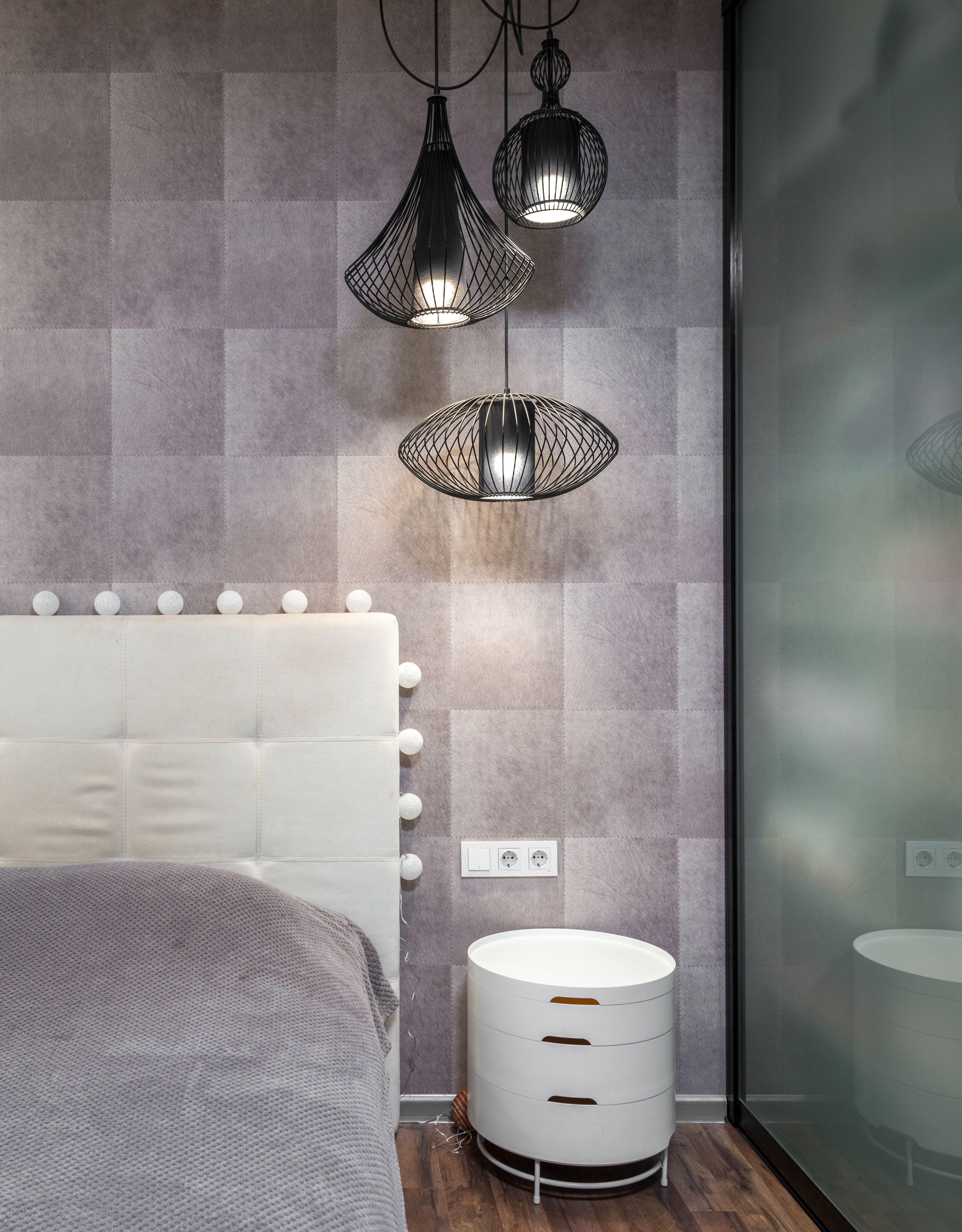
Many people realise after moving in that power outlets are not where they need them. Phone chargers, bedside lamps, laptops, and other devices often require convenient access to electrical points.
Poor planning can lead to visible extension cords and unnecessary clutter. During the design stage, homeowners should consider where they will charge devices, place lamps, and use electronic equipment.
A properly designed bedroom balances comfort, functionality, storage, lighting, and personal needs. As living spaces become smaller in many Bangladeshi cities, thoughtful planning becomes increasingly important. By avoiding common design mistakes and focusing on how the room will be used, homeowners can create bedrooms that are both beautiful and practical.
 For all latest news, follow The Daily Star's Google News channel.


Comments