


The rise of rage bait entertainment
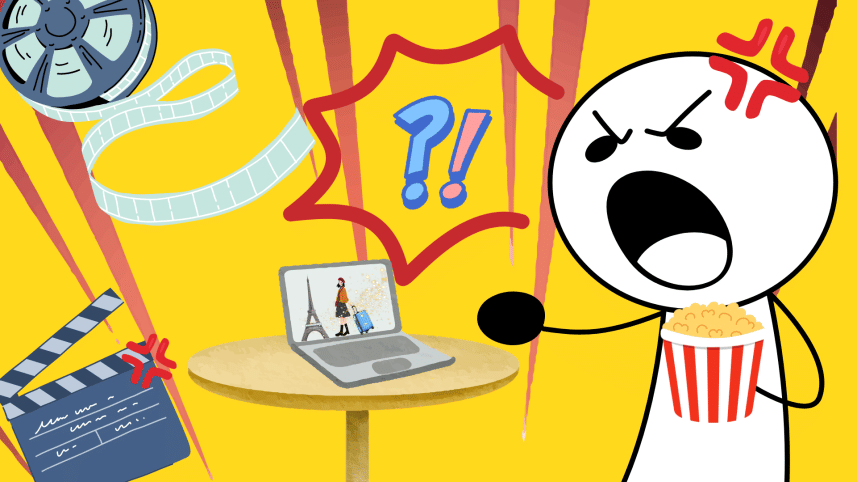
Ever wondered why so many people keep complaining about shows and games they indulge in, yet refuse to put down? The answer is simple: the angrier something makes you, the more likely you are to keep thinking about it.
This is true for many things in life: social situations, pop culture, politics, opinions, and media. Before we get into all of this, let me first dissect the beating heart of this system: rage bait. While this is a fairly new term to put on this emotion, the entertainment industry has been profiting off your anger for a long, long time. They walk on a thin line of making you mad enough to keep watching, playing, listening, and participating out of sheer anger instead of protecting your peace by quitting halfway.
 For all latest news, follow The Daily Star's Google News channel.
 In an age where engagement is money, the goal is quite simple – create content that annoys your audience just enough. Enough to click, hate, and share instead of scrolling past. There exists an influx of influencers and social media accounts that profit from your negative interactions. It takes “All publicity is good publicity” to new heights, creating a business model that revolves around it.
The worst part is, by the time you realise you’ve been rage baited, it’s often a little too late, considering the realisation comes after you react. But more than that, there exists a tragic loss of control for the audience who don’t exactly sign up to be manipulated into engaging.
In the past, entertainment was mostly made to appease, but when traffic makes more money than good content, you can expect to see content that thrives off being provocative. Sometimes, it’s a Colleen Hoover book you just cannot believe people publish and make movies out of, sometimes it’s another season of a show where a girl never runs out of her French visa, and sometimes it’s the influencer with way too many hot takes. Made worse by our horrendously short attention spans, the rage-baiter can rest assured that something else will occupy you soon enough.
Unfortunately, the damage this does to you is not isolated to just rage. Constant engagement with this kind of content is bound to recalibrate your brain, engineering it to find boredom in content that does not provoke you. Knowing you are being manipulated does not mean that you become any less manipulable; if anything, the loss of choice and control contributes to how angry a piece of content can make you. And how can slow, quality content compete with the instant dopamine hit of outrage?
All forms of media incorporate rage – reality television, for example, thrives on conflict, and characters are increasingly offering up arguments, fights, and opinions to elicit reactions from the audience. This is an old trick repackaged and resold thousands of times, thanks to the internet's ability to clip, reshare, and grant an infinite afterlife to just about anything. If you don’t like a movie, someone has definitely penned a scathing review you can share – and your algorithm will immediately begin to feed you posts that hate on said movie, driving up its engagement.
Not a fan of Taylor Swift? I’m sure your algorithm takes the occasional drive down the hate train to keep you engaged with all the other accounts that feel the same way. When it comes to video games, the worse you are at something, the more likely you are to feel an inherent urge to better yourself. All it does is feed an intrinsic need to beat an unbeatable odd, or, in other words, your ego.
The uncomfortable truth is, there's nothing we can do about it to change the media landscape as it evolves into a handful of cheap tricks to make a quick buck. The best we can do is disengage, and while sometimes it's fun to read through the comments of a post that really struck you the wrong way, you can do your part in not allowing rage bait content to keep getting so lucrative. Instead of having bad faith and understandably being angry about being manipulated, do yourself a favour and don’t react. It's easier said than done, but a loss of choice and control in the media you consume is detrimental to how your brain is wired, and the best we can do is retain a semblance of that control.
Faiza is overcompensating for her approaching quarterlife crisis - reach her at faiza.atcorp@gmail.com
Comments