


As El Niño looms, Bangladesh must brace for extreme heat

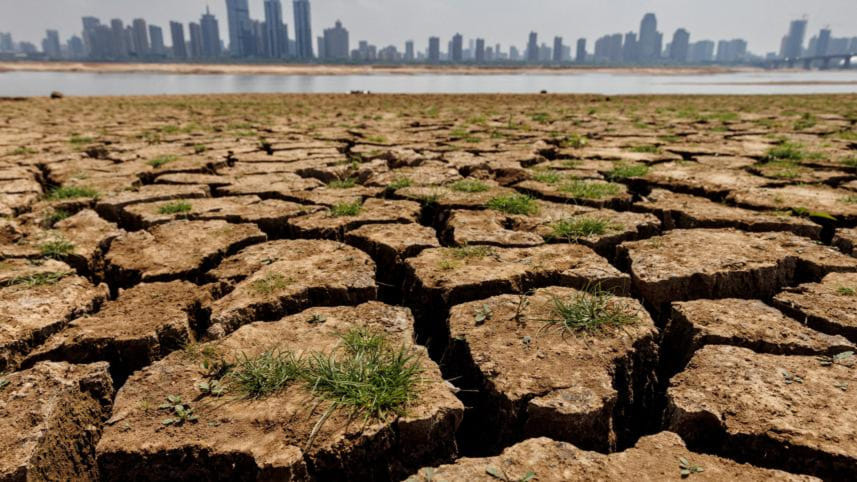
Earlier this month, the World Meteorological Organization (WMO) confirmed that El Niño has an 80 percent chance of forming before September, with the potential to rival the strongest ever recorded. UN Secretary-General António Guterres rightly asserted that “El Niño conditions will pour fuel on the fire of a warming world.”
Every El Niño is different. But this one is arriving on a planet already running hotter than at any point in recorded history. Scientists at Berkeley Earth now believe 2027 is very likely to become the warmest year ever recorded. Bangladesh, one of the world’s most climate-vulnerable countries, already faces storm surges, river flooding, salinity intrusion, and heat stress all at once.
 For all latest news, follow The Daily Star's Google News channel.
 When we talk about Bangladesh’s climate challenges, we tend to focus on floods and cyclones, as if heat were a secondary concern. It is not. This El Niño could bring a different kind of crisis: extreme heat. During a recent weekend run in Dhaka’s Hatirjheel, even starting at five in the morning offered little relief. By six, I was completely soaked with sweat. If Dhaka has begun to run out of cool hours even at dawn, what does that mean for a garment worker beginning her shift at eight, or a family in a tin-roofed home in Korail trying to sleep through another hot night?
This April, a heatwave affected 27 districts across Bangladesh. Chuadanga recorded 39.7 degrees Celsius for three consecutive days. Rajshahi crossed 40 degrees, classified as severe by the Bangladesh Meteorological Department. The IFRC estimates that more than 500,000 people die each year from heat-related causes worldwide. A recent study by World Weather Attribution found that four billion people experienced at least 30 additional days of extreme heat last year because of human-caused climate change. Heat stress is no longer a secondary story. It is already here and costing lives.
The science of climate change is not a matter of opinion. It is measurement and physics built across decades by thousands of researchers on every continent. Political winds may shift, governments may change, and international commitments may come and go. But the science does not change because leaders and diplomats do. For countries like Bangladesh, the consequences are devastating and immediate. They are visible in the floodwaters rising over Sunamganj, in the cyclones battering Bhola, and in the heat that now refuses to leave Dhaka even at five in the morning. When your country is sinking, climate change is not a political opinion.
Bangladesh understandably needs affordable and reliable energy. Those in power today will make deals that determine the world our children inherit, long after they are gone. Every investment must be evaluated not just for short-term gains but for long-term costs to our economy, environment, and future generations. Development and trade must be seen through a climate lens, not just geopolitics and commerce.
El Niño typically peaks around December. That gives us a few months. Cities need heat action plans that are actually executed, not kept in files. Early warning systems must reach farmers and daily wage workers before the weather turns. Cooling centres should be identified and prepared before peak temperatures arrive. Working hours for outdoor labourers should be adjusted before people collapse.
While governments must act, individuals can take steps too. Drink water before you feel thirsty, not after. Avoid going outside between 11 in the morning and four in the afternoon. Wear loose, light coloured cotton or linen. Check on elderly neighbours during heatwaves. These sound simple, but they can save lives.
Bangladesh has faced worse and come through, but never by accident. It was farmers who read the sky, community leaders who moved people before the flood came, engineers who built the embankments, and people who refused to give up on this country. The country does not lack plans. It lacks people to execute them. Young Bangladeshis trained in climate-smart agriculture, clean energy, and disaster response are not a luxury. They are how this country will actually get things done. Every taka spent training them is a taka spent on survival.
We have to play with the hand dealt to us. That is how life works. We did not cause this crisis. But we are paying for it. Our response will determine our destiny. As El Niño gathers strength on an already warming planet, our preparedness will make the biggest difference.
Ejaj Ahmad is founder and CEO of the Global Youth Leadership Center (GYLC) and founder and executive chairperson of the Bangladesh Youth Leadership Center (BYLC).
Views expressed in this article are the author's own.
Follow The Daily Star Opinion on Facebook for the latest opinions, commentaries, and analyses by experts and professionals. To contribute your article or letter to The Daily Star Opinion, see our guidelines for submission.
Comments