


India’s push-in attempts risk derailing thawing ties
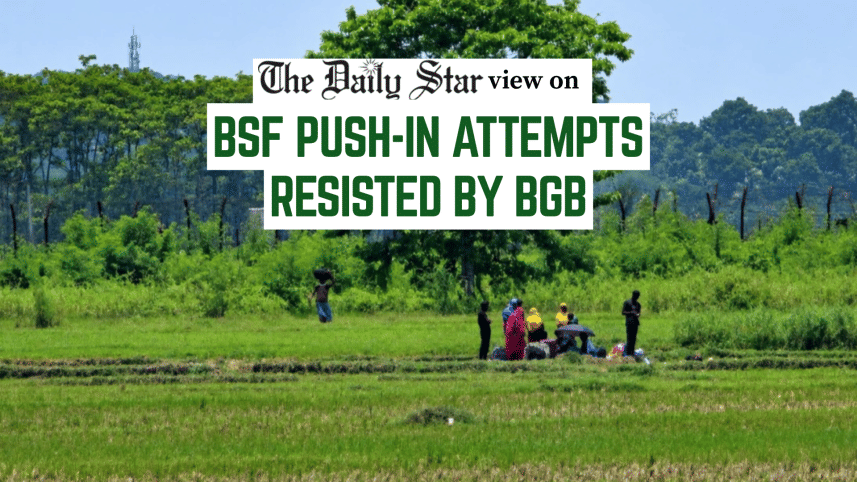
Recent developments along India’s border with Bangladesh have become a critical issue with the potential to escalate into a diplomatic crisis. The latest statement by State Minister for Foreign Affairs Shama Obaed that “the BGB has firmly resisted three to four push-in attempts” confirms reports of a surge in efforts by Indian border authorities to push so-called illegal migrants into Bangladesh. Such actions are not only unacceptable but also violate international laws and protocols governing cross-border movement.
Since the Bharatiya Janata Party’s (BJP) recent electoral successes in the state legislative elections in West Bengal and Assam, anti-migrant rhetoric has taken on a more aggressive tone. In West Bengal, Chief Minister Suvendu Adhikari announced a policy of “detect, delete, and deport” to deal with alleged “illegal infiltrators” and called for the establishment of so-called “holding centres” across districts. Reports suggest that attempts to deport undocumented individuals have intensified in line with this campaign. Even more concerning are reports indicating that some individuals whose names have been removed from voter rolls on various grounds fear detention in these centres. As a result, some are reportedly attempting to cross into Bangladesh illegally.
 For all latest news, follow The Daily Star's Google News channel.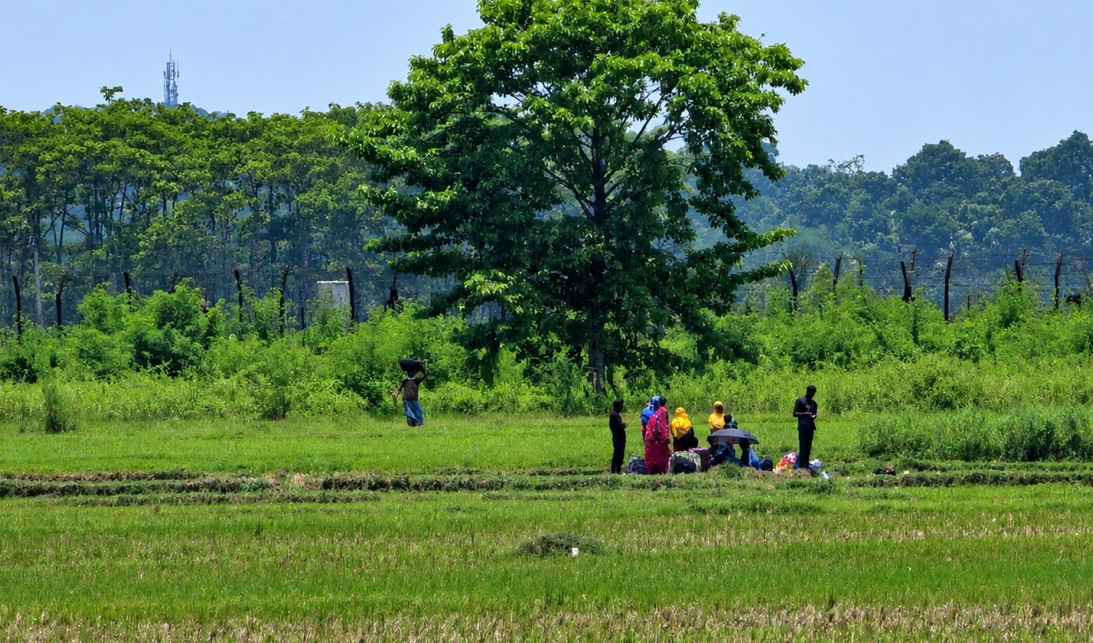
Earlier, Assam Chief Minister Himanta Biswa Sarma triggered diplomatic tensions with Bangladesh through a series of controversial remarks on border control and illegal migration. In one instance, Sarma claimed that his government routinely transported alleged illegal migrants to the border and left them inside Bangladeshi territory at night. The statement prompted Bangladesh’s Ministry of Foreign Affairs to summon the Acting Indian High Commissioner Pawan Badhe, and lodge a formal protest. Dhaka described Sarma’s comments as “disparaging” to bilateral relations.
Whether through forced push-ins or individuals fleeing across borders without valid travel documents, such actions violate established procedures governing migration and border management. These practices also pose risks to our national security. In this context, State Minister Shama Obaed’s assertion that the Border Guard Bangladesh (BGB) will continue to resist push-in attempts is both justified and appropriate. She is also correct in emphasising that Bangladesh cannot accept any individual without proper verification of nationality, particularly given past instances in which India’s Supreme Court found that the Border Security Force (BSF) had wrongfully pushed Indian nationals into Bangladesh.
It is also worth noting that New Delhi’s complaints regarding delays in the nationality verification process often overlook practical constraints such as limited consular access, legal requirements, and discrepancies in identity records. These factors can significantly slow the process and should not be interpreted as unwillingness on Bangladesh’s part to cooperate.
The developments unfolding along the border appear inconsistent with New Delhi’s recent efforts to improve relations with the new government of Prime Minister Tarique Rahman after bilateral ties suffered considerably following the fall of Sheikh Hasina. It is therefore incumbent upon India’s central government and BJP leadership to ensure that state-level authorities refrain from inflammatory rhetoric and adhere to established international norms in addressing undocumented migration. Failure to do so risks transforming an already sensitive issue into a full-blown diplomatic crisis.
Comments