


5 things you should know about NASA’s Artemis II moon mission

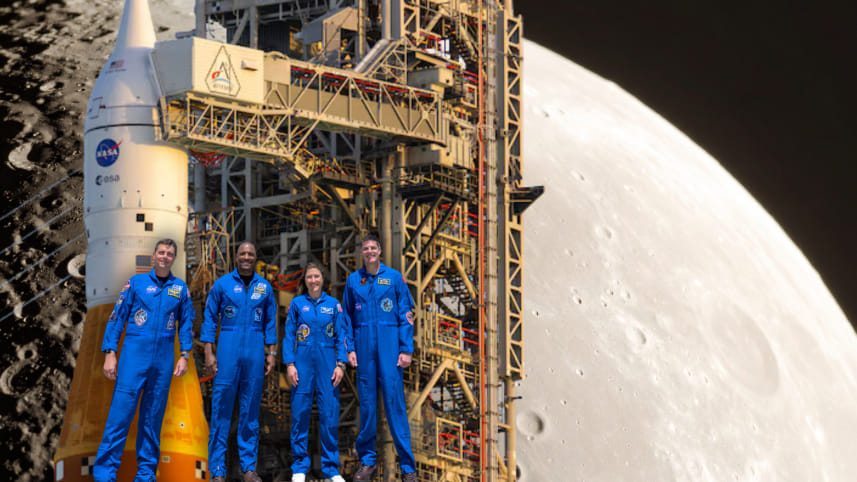
Ever since the final footsteps from the Apollo, the lunar surface has remained the primary focus of our cosmic curiosity. NASA has now launched Artemis II using the Orion spacecraft to return humans to lunar orbit. Travelling at 32 times the speed of sound, the crew could even cross Bangladesh in under a minute. The astronauts are on a 10-day journey while NASA aims to build a lunar base by 2028 on the surface of the moon.
Here are 5 things you should know about this cosmic leap.

More than five decades of waiting
This is the first human mission to the moon since the final Apollo flight in 1972. For the majority of people alive today, this is the first time they see humans orbiting the moon in real time. By bridging the nostalgia of the past and the technology of our future, this journey turns the moon back into a shared experience for everyone.
A new look crew
Unlike the missions of the previous time, this one highlights the progress being made in making space exploration more inclusive for the modern world. The crew includes astronauts Christina Koch and Victor Glover, who bring new perspectives to modern exploration, alongside Jeremy Hansen from Canada. They represent a step toward the future where more voices and communities can reach for the stars.
The most powerful rocket ever
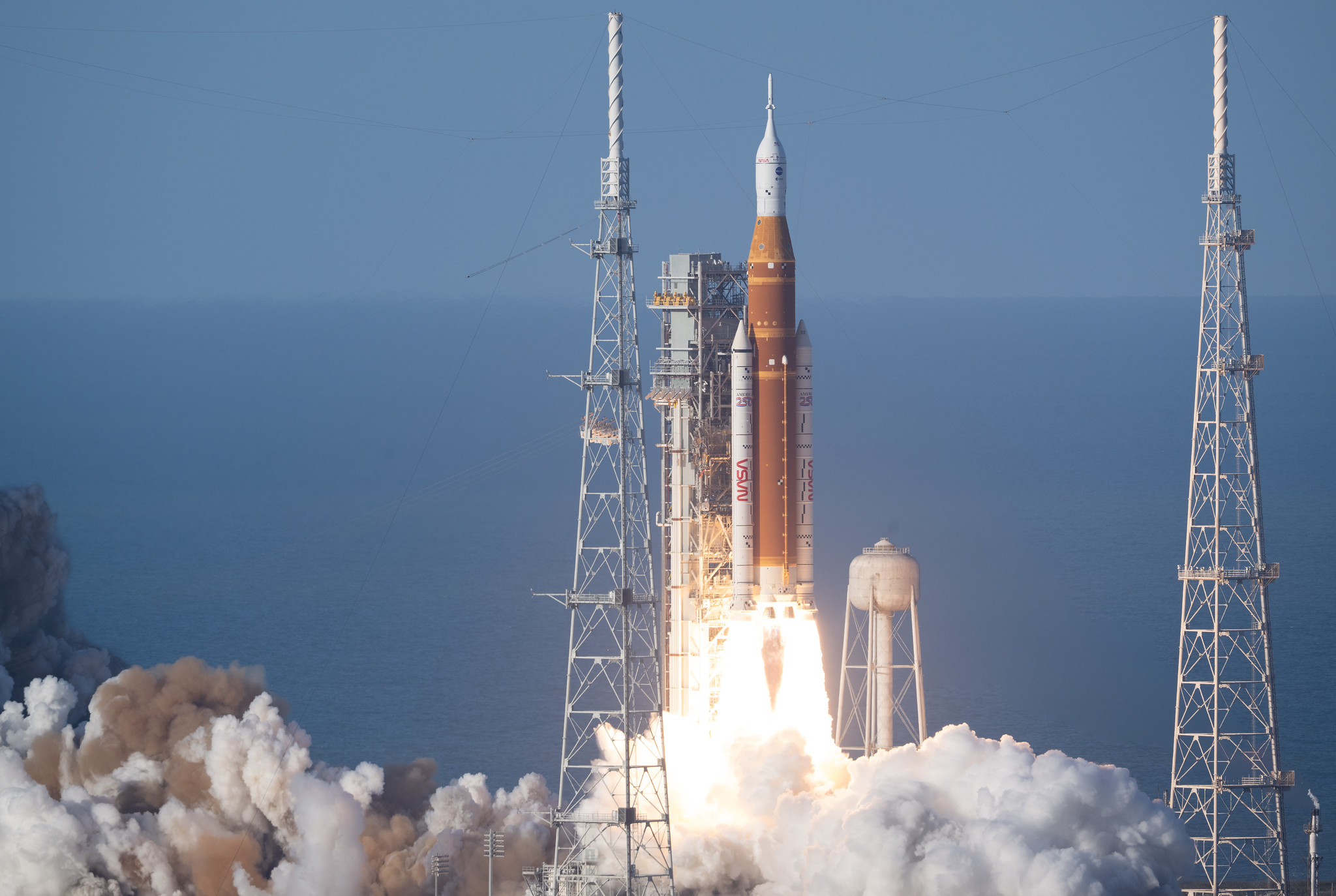
The team is riding on the Space Launch System (SLS), which is the most formidable rocket in existence. It produces 8.8 million pounds of thrust at the moment of launch. This force is equal to the power of 160,000 Corvette engines firing at once. It is truly the muscle car of the entire cosmos.
The 4K moon or more
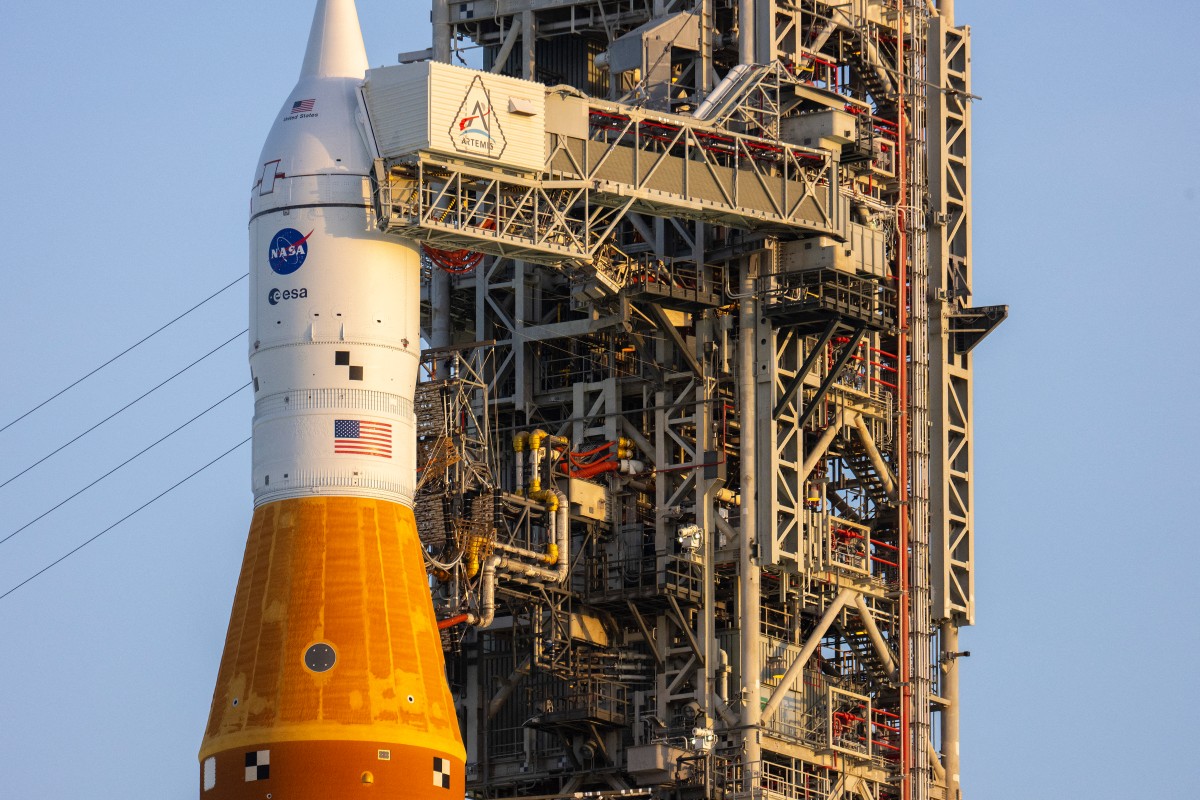
We are no longer relying on the grainy and blurry footage of the previous century. Artemis II carries state-of-the-art cameras to beam back ultra-high-definition images and video to our screens. This technology gives every person on Earth a front-row seat to the celestial body in stunning 4K quality or even higher. We will see the craters and the stars as if we are sitting in the cockpit.
A test drive for Mars
NASA is not just going back to the moon to stay for a short visit. They are using the mission as a vital training ground for the long journey to the Red Planet. Artemis II provides a critical stress test for the technology that will take humans, hopefully, to Mars in the 2030s. Every mile travelled brings us closer to becoming a multi-planet species.
As the world watches the sky, we are reminded that no distance is too great for us to bridge. The moon is only the beginning of a much larger story for all of us.
 For all latest news, follow The Daily Star's Google News channel.


Comments