


The perils of financially depending on parents in your 20s
 For all latest news, follow The Daily Star's Google News channel.
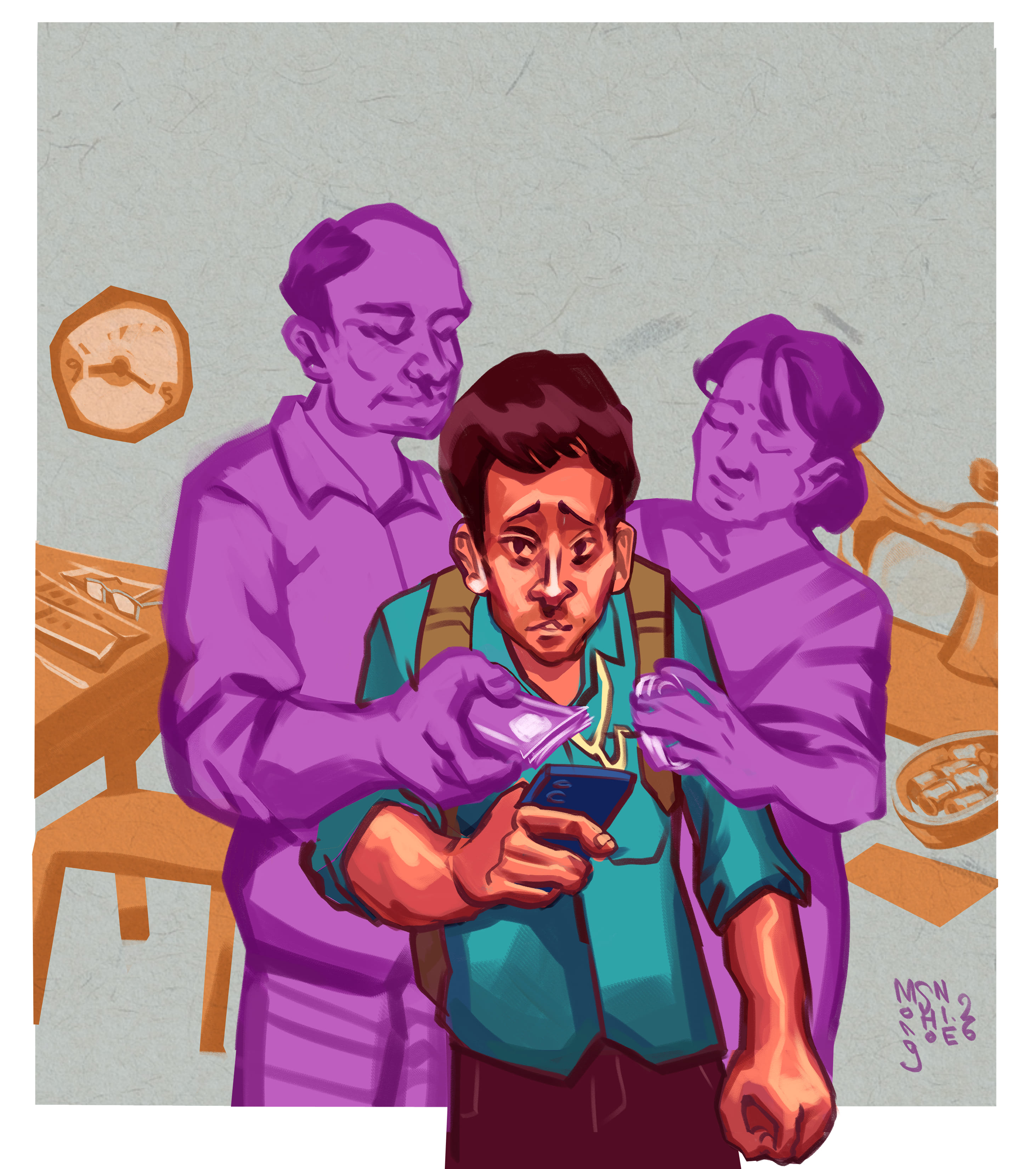
 In your 20s, you are supposed to be out in the world—conquering, making your mark, and finally becoming your own person. But, for many young adults in Bangladesh, socioeconomic realities keep them financially dependent on their parents for longer than expected.
The lack of a strong part-time work culture, as well as safe and adequate part-time jobs, keeps many students dependent on parental allowances throughout their university life. On top of that, session jams and strikes delay graduation timelines, pushing entry into the workforce further into the mid-to-late 20s.
Even after graduation, the rising cost of living makes independent-living almost impossible on entry-level salaries, while landing stable, well-paying jobs in the competitive job market requires postgraduate qualifications.
Sociocultural expectations also play a major role. Unlike many Western societies, where moving out at 18 is seen as a rite of passage into adulthood, Bangladeshi family structures tend to prioritise interdependence and multigenerational living. Parents view supporting their children through higher education as a core responsibility, extending financial assistance to postgraduate studies, weddings, and property purchases.

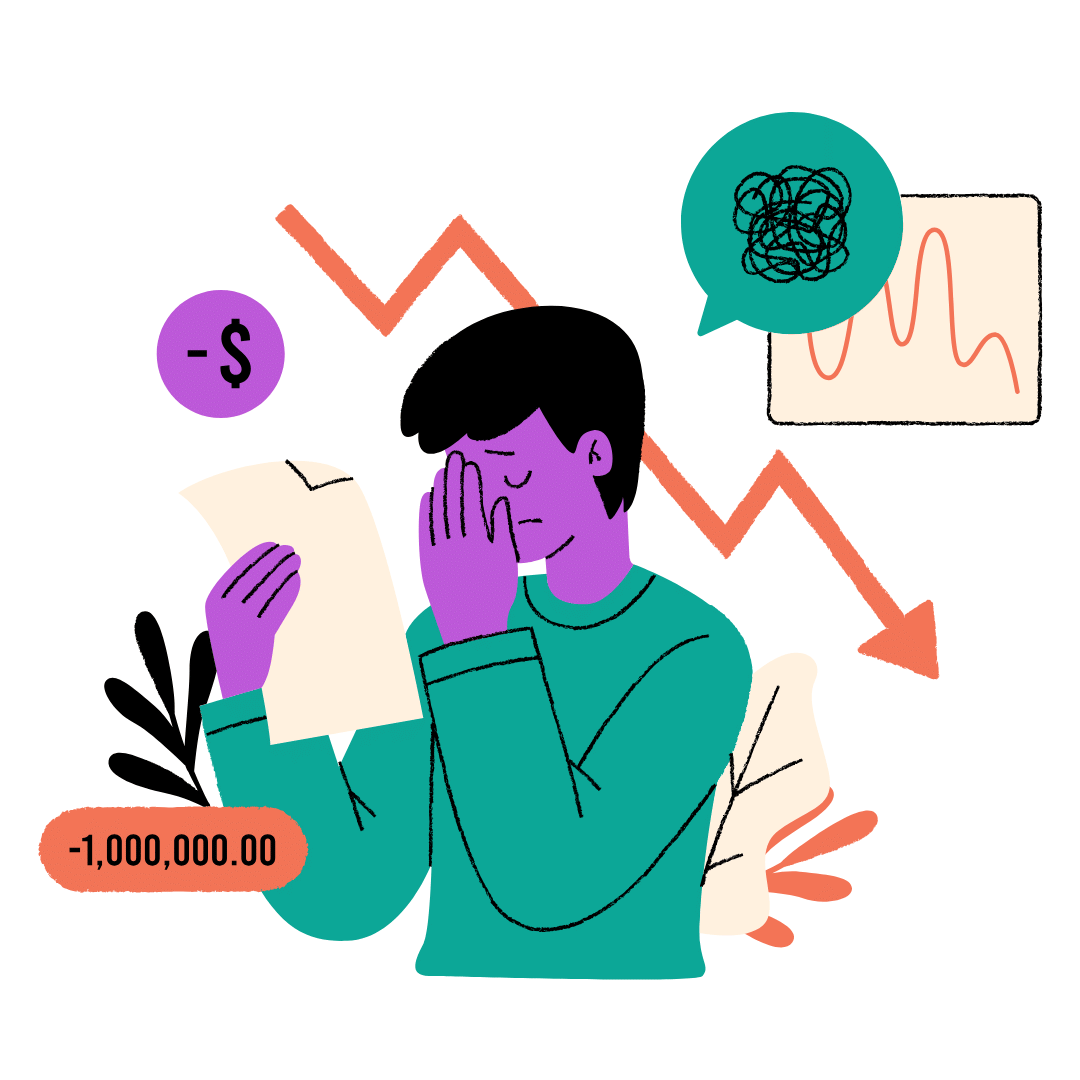
Parental financial support is a comforting safety net, providing necessary relief. But it also brings about a myriad of complex emotions: guilt, indebtedness, a loss of self-worth and confidence, feelings of inadequacy compared to peers, and many others.
When young people reach adulthood and still have to ask their parents for pocket money, their self-esteem starts going downhill. Farha Fauzia, 23, a computer science and engineering (CSE) student at BRAC University, sees herself as an expensive, ongoing liability.
“It’s difficult not to constantly feel guilty as I watch my parents work themselves to the bone from morning to night. And for what, so that I may continue on comfortably while contributing nothing in return? I don’t think I have the right to feel good about who I am when my entire lifestyle is being funded by their exhaustion,” Farha shares.
Farha feels worse when she looks around. Scrolling through social media and seeing her peers thriving—doing internships, freelancing, contributing to family expenses, paying their own tuition, and even treating their parents to nice dinners every once in a while—she acutely feels the sharp sting of comparison.
“It feels like everyone else boarded the train toward adulthood years ago, while I am still standing on the platform clutching excuses,” Farha admits.
To fight this soul-crushing feeling, young adults try to grab whatever micro-independence they can find. They take up side hustles. Farha herself has recently taken up tutoring just to avoid asking for cash for little things.
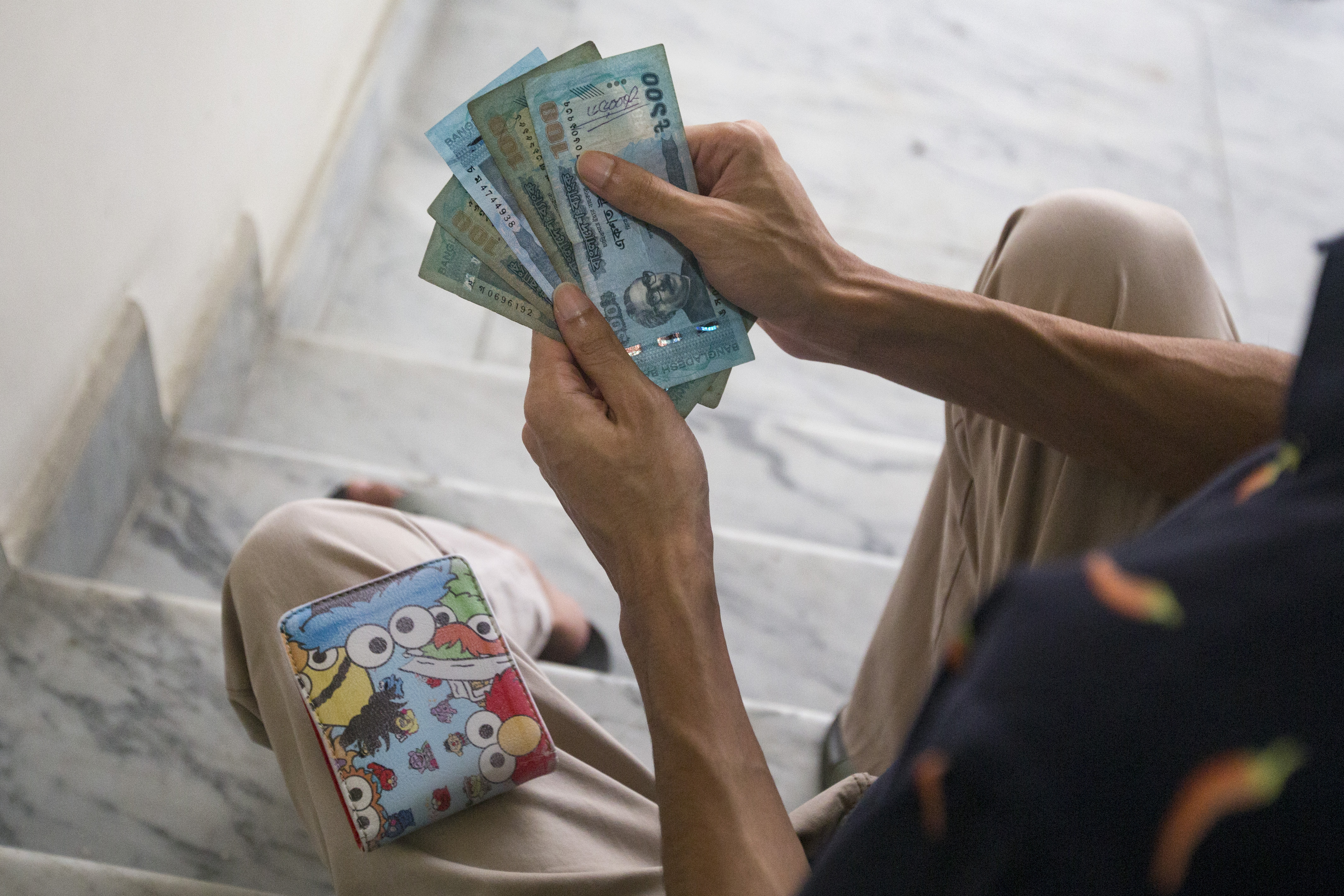
“Asking for money for tiny personal things at this age feels lowering in a way that’s hard to explain. The amount doesn’t even matter. It’s the ritual of needing it. Having to ask. Having to justify your own existence in these small instalments. That’s why I started tutoring. The money is not much, but at least once in a while, I get to buy something without feeling like a burden,” Farha confesses.
When the money inside a young adult’s wallet is the result of their parents’ sacrifices, even a simple purchase can feel emotionally draining. For Authoy Rahman, 22, a CSE student at BRAC University, spending is something calculated rather than enjoyed. She describes the constant mental gymnastics she puts herself through over daily spending:
“They give me a small amount of pocket money, and I try my best to manage everything within that budget. As a result, I overthink a lot before buying anything. I keep thinking about how to save some money, asking myself whether I can go another month without it or if I should just skip it altogether. Most of the time, I end up not buying the things I want because I worry they might judge me if I spend all the money before the month ends.”
This same anxiety pushes Alkami Bin Ahsan, 20, a student at Daffodil International Academy (DIA), to mentally categorise his desires into strict boxes of “justified” versus “wasteful”. To him, purchases related to education or skill-building feel easier to defend, but anything that could be seen as indulgent carries a sense of guilt.
“Since my parents are not wealthy, spending money on things with no practical value makes me feel guilty. For example, I hesitate to buy expensive branded products when more affordable alternatives serve the same purpose. On the other hand, if I need costly tools to help me learn and grow, I can buy them without guilt,” Alkami explains.
But for some, even wanting to grow, learn, or take an extra course feels akin to ingratitude. Nusrat Jahan Alve, 22, a CSE student at Sejong University, shares, “I know my parents are already stretching themselves more than they should. That is why every time I want something more—another course, better tools, new opportunities, experiences that could help me grow—I end up feeling guilty instead of excited. It feels selfish to want more when I can already see the limits they are carrying.”
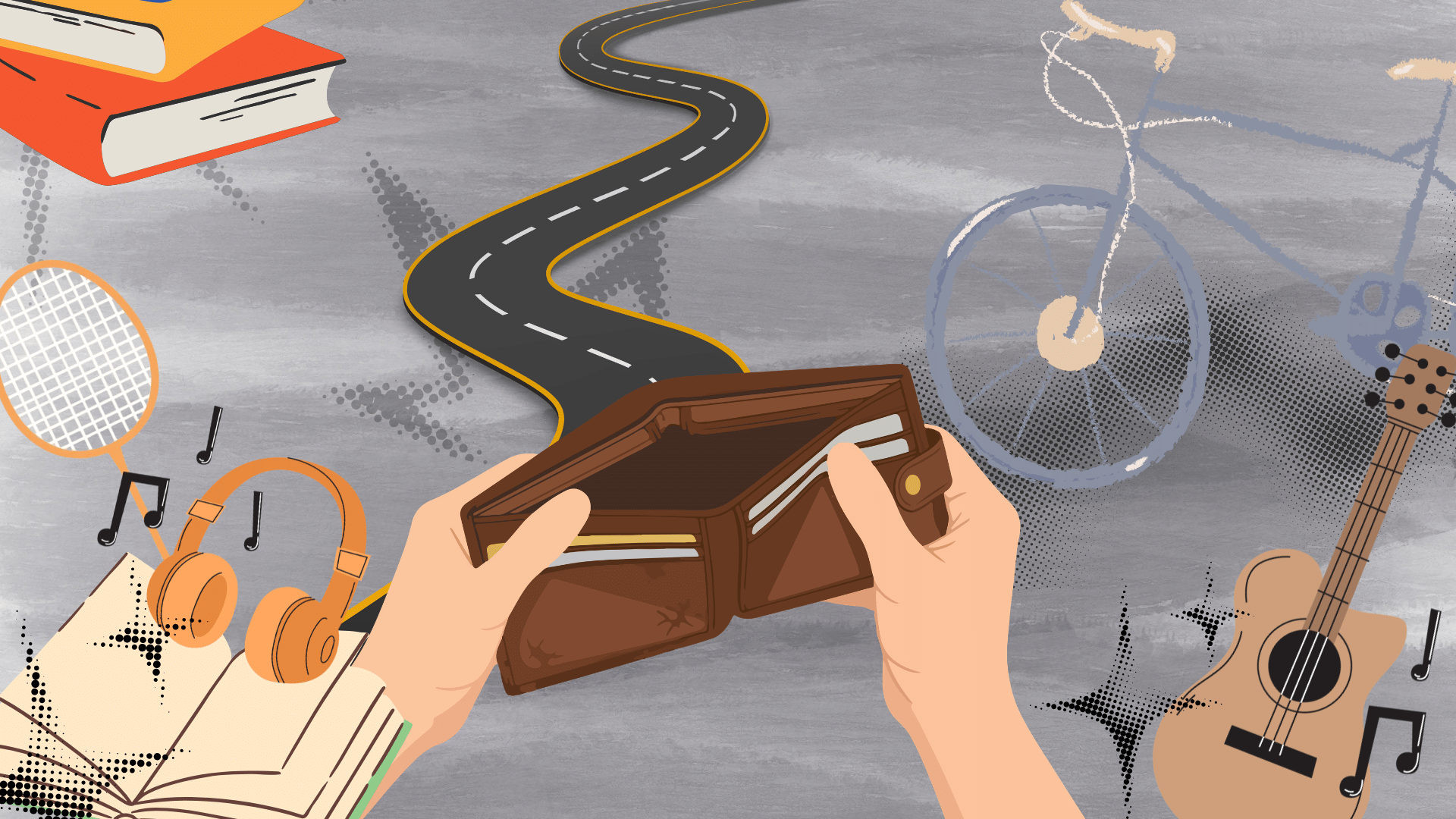
When parents pour their life savings into a child’s education, every bad grade feels like wasting years of someone else’s labour.
“If I fail an exam, it is not only my own future I damage. It also turns their sacrifices into waste. My biggest fear is being a catastrophic investment and everyone realising I’m not actually worth what was spent on me,” Farha says.
Even when parents give willingly, many still feel like they owe something back. The more their parents sacrifice, the heavier the debt feels.
“They spent their time and money on me, and I feel responsible for repaying it as soon as possible. My mind no longer only thinks like a student. Instead of completely focusing on learning and improving, a part of me is always calculating how to earn money faster. I feel as if I am racing against time,” Nusrat admits.
Additionally, long-term financial dependence can leave gaps in basic adult skills—money management, decision-making, confidence, and resilience in the face of real-world responsibility.
Tasnim Rodoshi Hassan, 22, a textile engineering (TE) student at Khulna University of Engineering and Technology (KUET), says, “I do not really understand how adult finances work yet. As my parents have always handled the practical side of life for me, I think I have become less driven and less inclined to put myself through hardship. The idea of facing the real world alone genuinely terrifies me, because I honestly do not know how I would manage everything on my own.”
Moreover, financial dependence can also complicate autonomy. Chowdhury Thowhida Syeed, a mother of two from Dhaka, believes that if a parent is supporting their children financially, their voice deserves a seat at the table—to protect, not to control:
“I think I should have a say in my adult child’s life and career decisions if I am financially supporting them. That said, it shouldn’t turn into something transactional or controlling. My role is to guide and support, not to dictate their choices. Big decisions should come through open discussion, where both sides are heard properly. I don’t expect the final decision to be mine, but I do think my opinion should be taken seriously and considered before they move forward with something important.”
When children want to take risks with parental money, mothers like Thowhida worry about the potential fallout if they fail.
“If, based on my experience, I believe my child is choosing a risky career path, I would advise them to reconsider options that may prolong financial dependence on me. My support is always there, and they are not restricted from coming to me for help. However, I also want them to achieve independence and stability. The longer they remain dependent, the more pressure they may face in the event of mistakes or setbacks,” Thowhida comments.
On the other hand, some parents take a different approach.
Afroza Khanom, a mother of three from Dhaka, says, “I believe I should not interfere in their life and career decisions. If they believe that they can be successful in a different path that we never expected them to choose, I would let them choose it. At the end of the day, it is their life. If they are fully confident about succeeding in that career, I would rather support and encourage them.”
For parents, giving financial support isn’t draining when done within the family’s means.
“As a parent, it’s important to be realistic about what we can and cannot provide for our children. I wouldn’t want to put myself or my family in a position where I’m constantly under pressure or unable to meet our own needs. When support is given within our means, it stays rooted in care rather than becoming emotionally draining,” Thowhida adds.
Afroza draws a clear boundary: “For me, supporting my adult child financially is not exhausting because she needs our support right now. However, it would become exhausting if she graduated and remained unemployed without trying to become independent.”
Ultimately, depending on your parents is both a privilege and a burden. It keeps you safe from financial ruin, but in exchange, it chips away at your peace of mind.
In Bangladesh’s current economic reality, staying financially dependent in your twenties is more of a structural inevitability rather than a personal failure.
The goal now is simple: keep trying to build toward independence and make sure the sacrifices made for you do not end with you.


Comments