


BB flags four near-term macroeconomic challenges
Bangladesh Bank (BB) has identified slow GDP growth, persistent inflation, limited fiscal space, and financial stress as the key near-term macroeconomic challenges facing Bangladesh.
To contain inflation and support the external balance, the central bank kept its policy rate unchanged at 10 percent, according to the Monetary Policy Statement for July-December 2026, released today.
 For all latest news, follow The Daily Star's Google News channel.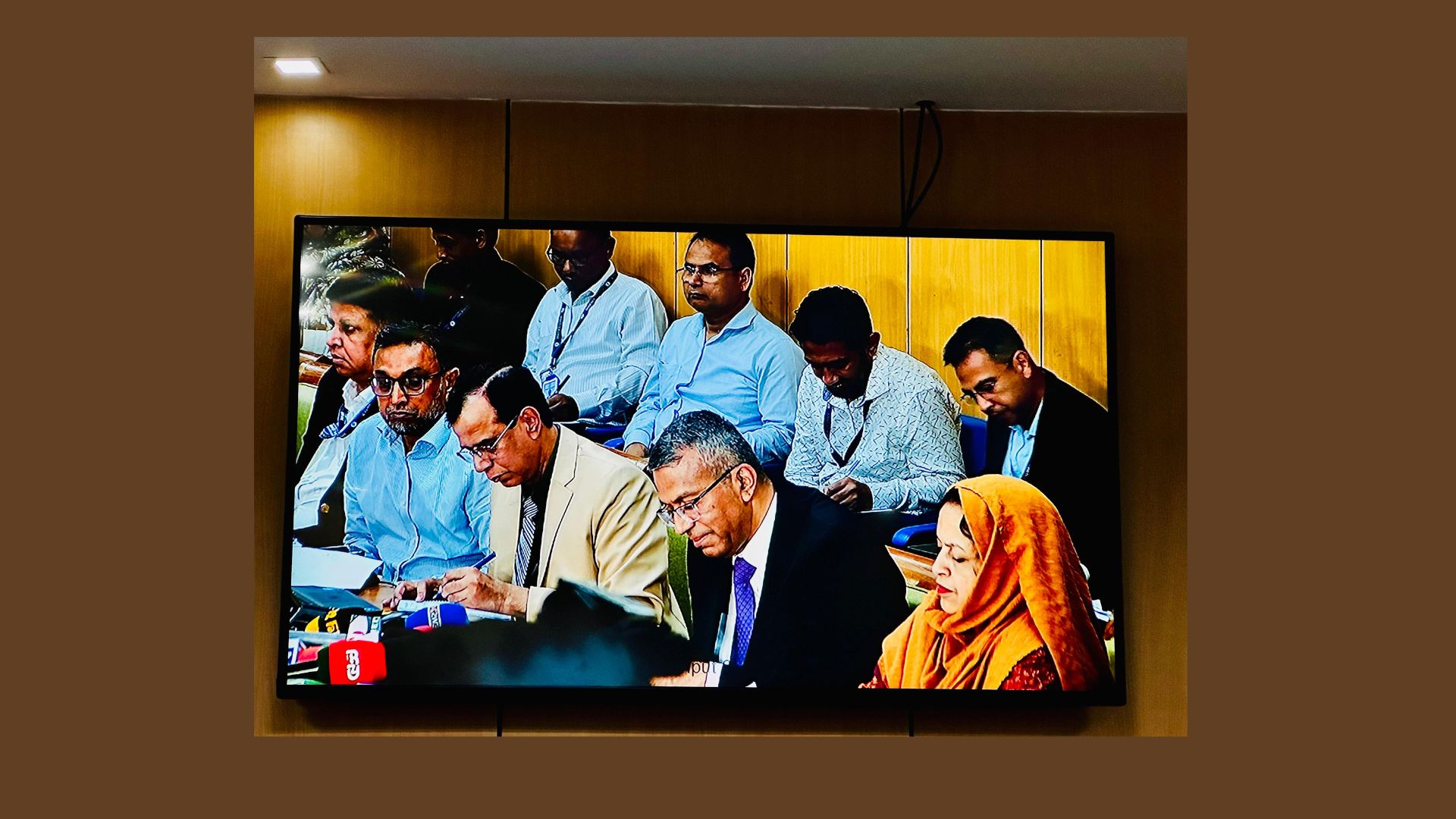
The policy rate, or repo rate, is the rate at which commercial banks borrow from the central bank. The central bank has not changed the rate since October 2024, aiming to tame inflation.
Inflation, though down from its peak, exceeded BB's forecast and rose again in the second half of FY26, driven by energy price adjustments, flash flood-related crop losses, and global commodity pressures.
The government and BB have also rolled out reform measures to stabilise the economy, it said.
The FY27 budget takes a growth-supportive approach, prioritising investment, streamlining development spending, and rationalising taxes to encourage private investment and narrow the economy's output gap. Tax and duty cuts on essential goods are also expected to ease costs.
Complementing this, BB's targeted, subsidised credit package aims to revive industries, boost employment, and support private sector recovery. Together, these measures aim to help the economy grow 6.5 percent while containing inflation at 7.5 percent in FY27.
The near-term outlook is expected to improve, with stronger GDP growth, a rebound in private investment, and easing inflation as global commodity and energy prices fall, the central bank said.
However, risks remain, including energy shortages, weak investment demand, and persistent inflation, which could disrupt supply and trigger fresh price pressures.
The success of the credit support will depend on efficient allocation, transparent risk assessment, and strong governance, BB said.
High non-performing loans in the banking sector may also discourage private lending, as banks favour risk-free government securities. The external sector remains exposed to rising import costs, slow exports, and a possible dip in remittances after their recent rise.
The sustainability of the financial account surplus also remains uncertain, given its reliance on trade credit and external borrowing, the statement added.


Comments