


Bangladesh sees slowest growth in economic units since 1996
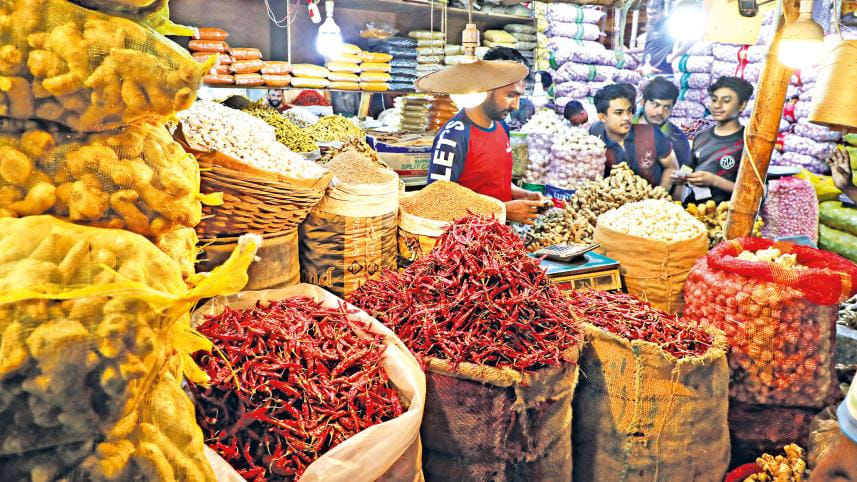
Bangladesh recorded 1.17 crore economic units in 2024, marking the lowest growth since 1996.
Between 2013 and 2024, the country saw a 50 percent growth in the number of economic units, which was much lower than the 111 percent increase in the previous decade, according to the final figures of the Economic Census 2024 by the Bangladesh Bureau of Statistics (BBS).
 For all latest news, follow The Daily Star's Google News channel.
 According to the BBS, an economic unit is defined as a single establishment or economic household engaged in economic activities for profit, household gain, or indirect benefit to the community.
BBS released the data today at an event at its headquarters in Dhaka.
In 1996, Bangladesh had 21.68 lakh units engaged in economic activities. The number rose by 71 percent to 37 lakh in 2003, according to BBS.
The country also registered the lowest growth in the number of persons engaged in economic units in 28 years, since 1996.
Some 3.06 crore people are engaged in these economic units, up 25 percent from 2013, according to the latest economic census.
As per the results of the 2024 census, wholesale and retail trade account for the largest share at 40.19 percent, followed by transportation and storage, which account for 22.22 percent of all economic units.
The manufacturing sector accounted for only 9.57 percent of total economic units in 2024, according to the census.
This indicates that about 90 percent of economic units are in the service sector.
The final data show that economic units increased in both rural and urban areas, with rural areas accounting for two-thirds of the total.
The Economic Census 2024 shows that micro industries comprise 57 percent and cottage industries account for 39 percent of the total number of economic units in Bangladesh.
Small industries account for only 4.2 percent, followed by medium industries at 0.31 percent and large industries at 0.08 percent
Comments