


Mastercard powers a digital-first Eid economy
Despite inflationary pressures, consumer spending during Eid-ul-Azha is holding up, driven by resilience and a retail market that continues to mature. Shoppers are placing greater emphasis on convenience and value, while extended shopping hours and lifestyle spending are shaping a buoyant festive economy.
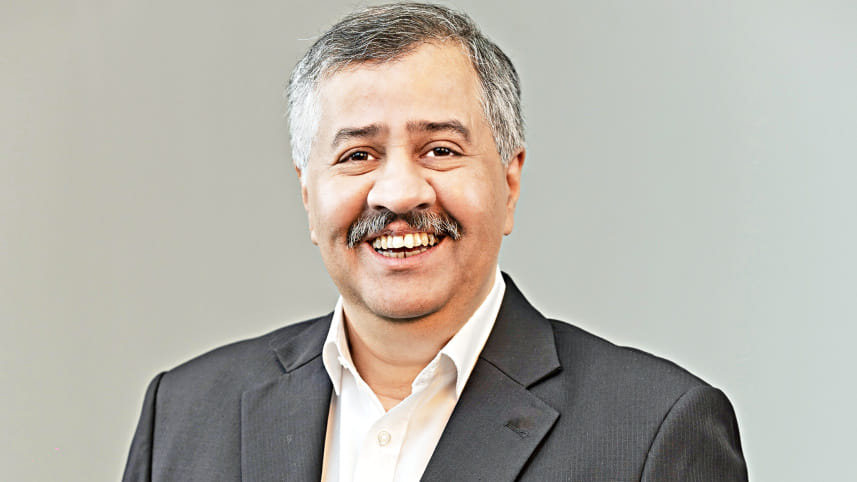
In an interview with The Daily Star, Syed Mohammad Kamal, country manager for Bangladesh at Mastercard, discusses how digital payments, incentives and partnerships are influencing Eid spending patterns.
 For all latest news, follow The Daily Star's Google News channel.
 The Daily Star (TDS): How do you expect overall consumer spending in Bangladesh to behave during this Eid-ul-Azha season compared with last year?
Syed Mohammad Kamal (SMK): Eid-ul-Azha spending remains strong as resilient consumers prioritise value and convenience despite inflation. Mastercard is fuelling this transition with discounts of up to 50 percent and its “Lakh Takar Utshob” campaign, offering top spenders Tk 100,000 vouchers. By providing tangible rewards, Mastercard is accelerating the shift from cash to structured digital transactions, making cards the preferred choice for high-volume festive shopping.
TDS: What major trends are you seeing in Eid-related digital transactions, such as card payments, mobile financial services, and online transfers?
SMK: Digital payments are expanding beyond retail into Qurbani services, groceries, and travel. Mastercard is facilitating this shift through agro-farm partnerships, allowing digital cattle purchasing and processing and offering up to 70 percent off travel via partners like ShareTrip. Additionally, a new sustainability initiative provides reusable bags for grocery purchases over Tk 3,000 at major chains like Shwapno and Agora. These trends reflect a move toward a secure, integrated, and eco-conscious festive economy.
TDS: Do you think Bangladesh is moving toward a more cashless Eid economy? What is driving that shift?
SMK: While Bangladesh is transitioning to a “cash-lite” economy, 70 percent of transactions remain cash-based. To accelerate digital adoption, a three-year incentive framework offering 3 percent for consumers and 2 percent for merchants is essential. Reducing duties on POS devices and smartphones to 15 percent would further drive digital penetration. By combining facilitative regulation with rewarding systems like the Family Card, Bangladesh can build a more transparent, inclusive, and resilient financial ecosystem that boosts the national economy.
TDS: What trends are you observing in e-commerce and online buying during Eid, and how are banks enabling that ecosystem?
SMK: Platform loyalty is rising as consumers prioritise convenience, security, and deep discounts of up to 50 percent. E-commerce is successfully penetrating cash-heavy sectors through online cattle booking and slaughtering services. By improving the checkout experience and offering high-value rewards such as the “Spend & Win” campaign, banks are ensuring digital platforms remain a permanent fixture of festive spending.
Comments