


Wealth tax should be approached with caution
There is growing discussion that Bangladesh may consider introducing a wealth tax as part of efforts to raise domestic resources and strengthen government revenue. While the intention may appear reasonable at first glance, international experience and Bangladesh’s current economic realities suggest such a move could create more harm than benefit.
Historically, many countries introduced wealth taxes to reduce inequality and increase revenue. Over time, however, most developed economies abandoned them after experiencing negative economic consequences. In the 1990s, nearly a dozen European countries imposed annual net wealth taxes. Today, most have abolished or scaled them back. Even India withdrew its wealth tax after concluding that the economic costs outweighed the revenue gains.
 For all latest news, follow The Daily Star's Google News channel.
 One of the main concerns is that wealth taxes discourage investment and capital formation. Investors and entrepreneurs already pay taxes on income, business profits, dividends, capital gains and property transactions. Imposing another recurring annual tax on accumulated assets amounts to a form of double taxation. Over time, this weakens incentives for saving, entrepreneurship and long-term investment.
For a developing country such as Bangladesh, which urgently needs higher private sector investment, industrialisation and job creation, this could send the wrong signal to domestic and foreign investors. Wealthy individuals and business owners may move capital abroad or avoid holding assets within the formal economy.
A wealth tax could also accelerate capital flight. High net worth individuals often have the means to shift funds through offshore investments, foreign bank accounts or relocation. This would reduce liquidity in the domestic economy and weaken the banking system, capital market and wider investment climate.
Equally concerning is the risk that people may withdraw from the formal financial sector. Rather than encouraging transparency and inclusion, a wealth tax could incentivise individuals to conceal assets, understate wealth or move savings into undocumented sectors or overseas jurisdictions. That would undermine long-term financial transparency and tax compliance.
Another objection is the fairness of taxing unrealised gains. A property bought decades ago at a modest price, or inherited through family succession, may now carry a high market value because of inflation, urbanisation and market appreciation. Yet this increase often exists only on paper and generates no cash flow for the owner.
An annual tax based on market value would effectively tax income that has not been realised. In many cases, individuals may lack the liquidity to pay unless they sell inherited property, long-held land or other assets. This is particularly difficult for elderly citizens, retirees and middle-income families who may own valuable property but have limited regular income.
The administrative challenges would also be significant. Determining the market value of land, apartments, private businesses, jewellery, foreign assets and other non-listed investments is complex and often subjective. The compliance burden on taxpayers and the enforcement burden on the tax authority would rise sharply. In many countries, wealth taxes ultimately generated modest revenue relative to the administrative costs and economic disruption involved.
Bangladesh’s priority should not be imposing additional taxes on already declared and previously taxed wealth. Instead, policymakers should focus on broadening the tax base, improving administration, digitising systems, reducing evasion, curbing illicit financial flows and bringing more of the informal economy into the tax net.
At a time when Bangladesh seeks greater foreign direct investment, private sector expansion and economic stability, policymakers must weigh carefully whether a wealth tax could weaken the foundations needed for sustained growth. Short-term revenue considerations should not result in policies that undermine investment, savings and financial confidence for years to come.
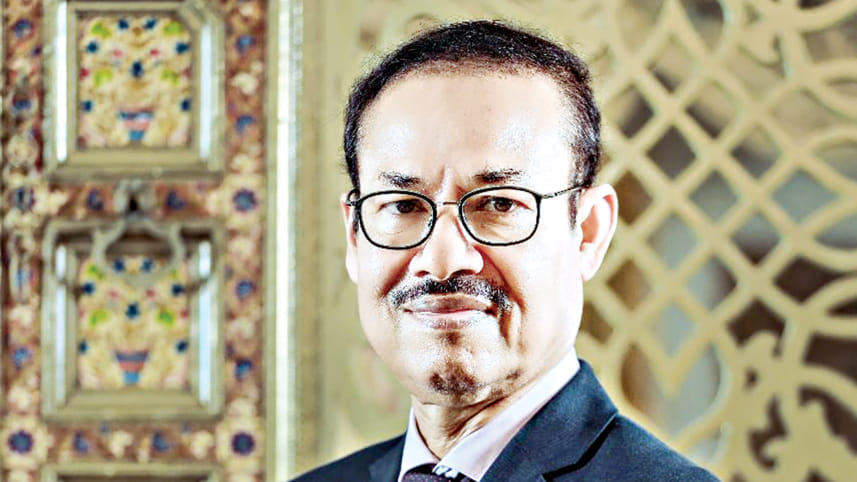
The writer is the chairman of Unilever Consumer Care
Comments