


Will the next generation know the taste of Gab?

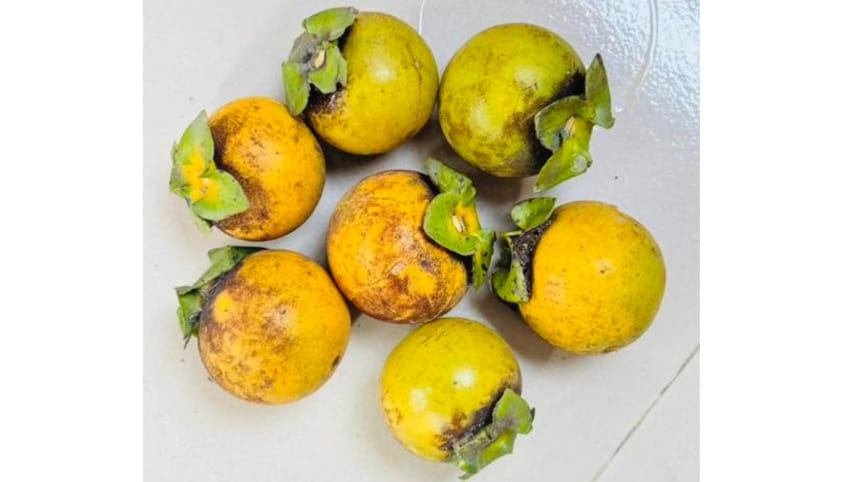
“Gab” (velvet apple or Indian persimmon), once a familiar part of Bangladesh’s rural landscape, is quietly fading from the country’s natural and cultural heritage. Deforestation, neglect and the growing popularity of imported fruits have pushed the native species towards extinction, causing it to disappear from both the countryside and public memory.
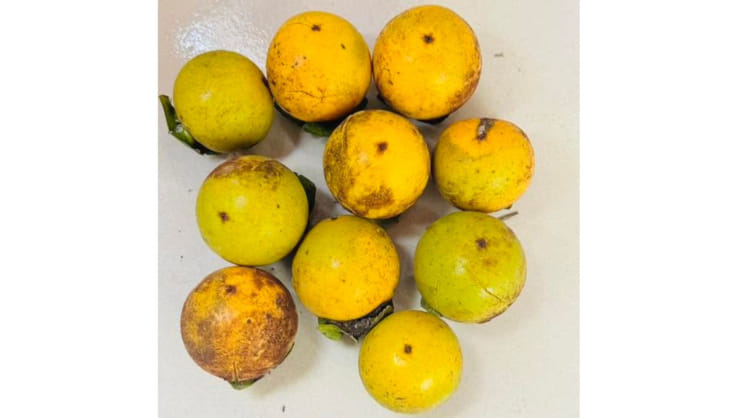
Once, gab trees were a common sight in village thickets, dense forests, along canal banks and in homestead yards. During the monsoon, their branches grew heavy with round green fruits that gradually turned yellow or dark as they ripened. Today, this once-familiar scene has become increasingly rare.
 For all latest news, follow The Daily Star's Google News channel.
 Gab is a native fruit of Bangladesh that thrives in wetlands and humid environments. Historically, the trees grew in abundance across the country’s southern and central regions, particularly in areas crisscrossed by rivers and canals. Large and long-lived, the gab tree remains covered in dense green foliage for most of the year and begins bearing fruit during the monsoon. For older people in rural communities, the gab tree represents far more than a source of wild fruit; it is deeply woven into their childhood memories. The simple pleasure of plucking the fruit from a branch and eating it on the spot offered a sense of joy that today’s market-bought fruits can scarcely match.
Rural landscapes have changed dramatically over the past few decades, leading to a sharp decline in the number of gab trees. The loss is closely linked to the expansion of farmland, the construction of new settlements and widespread deforestation. At the same time, the growing preference for fast-growing, commercially valuable trees has pushed native species aside, severely limiting the gab tree’s natural regeneration.
As gab trees disappear, public interest in the fruit has also faded. Many children and teenagers today have never even heard of it, raising concerns that an important part of Bangladesh’s folk culture and food heritage may be lost. Beyond its nostalgic value, gab is also known for its medicinal properties. Rural communities have long used the fruit, bark and leaves in traditional remedies. Ayurvedic practitioners say the unripe fruit may help treat dysentery and diarrhoea, while the tannin-rich bark is believed to reduce inflammation. In rural areas, extracts from the bark are also commonly applied to wounds.
The fruit also contains various types of antioxidant elements, which are believed to help boost the body's immune system.
The utility of the tree extends far beyond its seasonal fruit. Because the wood is hard and durable, rural carpenters and farmers use it to make furniture and agricultural tools. Historically, the resin of the tree held significant economic value. Boat builders used this sticky resin to seal cracks in wooden boats, making it an essential component in the riverine regions of Bangladesh.
The loss of gab trees means more than the disappearance of a seasonal fruit; it also threatens the balance of the wider natural ecosystem.
Protecting this native species will require renewed conservation efforts. Government agencies and private organisations could support its revival by producing saplings and including gab trees in national plantation programmes. Schools can also help preserve this heritage by raising awareness of native fruits. In addition, research into the fruit’s nutritional value and commercial potential could help restore its cultural and economic importance.


Comments