


Spotlights on rails might be the smartest lighting decision you’ll ever make
I grew up in the age of the tube light. By day, my room looked great, washed in soft sunlight. By night, it was a different story. One cold, blinding bar of light overhead, harsh in some places and weirdly dark in others. I tried fixing it with table lamps and floor lamps, playing lighting Jenga at different heights.
Most of us still make the same mistake today. We buy a flat, move in, install whatever the electrician suggests, and quietly live with lighting that feels harsh, flat, or just… off. The good news is you do not need fancy imported fixtures or a designer budget to fix it. One of the most practical and flexible solutions for Bangladeshi homes is spotlights on rail systems.
 For all latest news, follow The Daily Star's Google News channel.
 They are simple, adaptable, and surprisingly affordable, especially if you know where to shop.

Why rail-mounted spotlights work so well
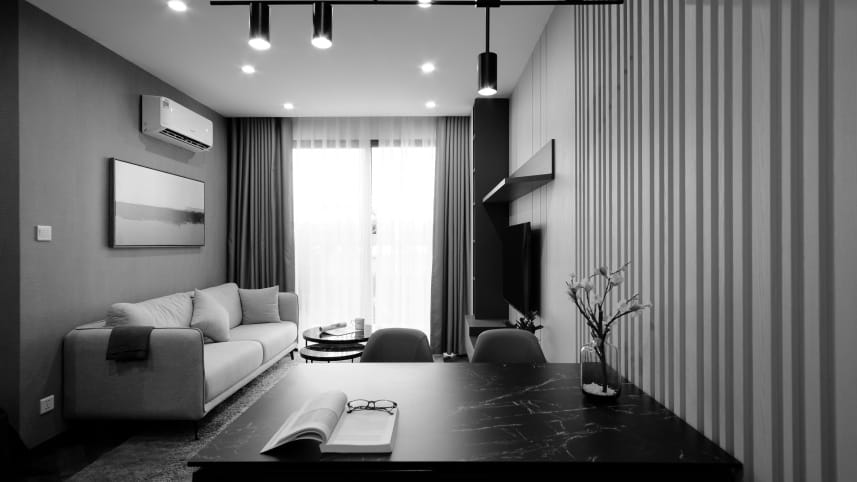
The biggest advantage of rail lighting is flexibility. Each spotlight clips onto the rail and locks in place with a simple twist-and-click mechanism. Want more light? Add another unit. Want less? Remove one. Rearranging furniture? Just slide and re-angle the lights. No breaking ceilings, no rewiring nightmares.
Most lighting shops along Gulshan Avenue carry good-quality spotlights in the 500–700 BDT range for 6–8 watt LEDs, which is the sweet spot for home use. They are compact, neat, and easy to replace if one ever fails.
The colour temperature that actually feels good to live with
Avoid the extremes. The harsh bluish “white” lighting common in many flats feels clinical and tiring. On the other end, overly yellow “warm” lighting can make rooms look dull and sleepy.
The sweet middle ground is neutral white at around 4000K. It is closer to natural daylight, easy on the eyes, and works beautifully across living rooms, bedrooms, and even dining areas. Most decent shops now stock this option if you ask specifically. Of course, you can combine the two extremes to get your desired shade. Or even allocate particular light for particular task based areas.
Directional lighting is the real magic
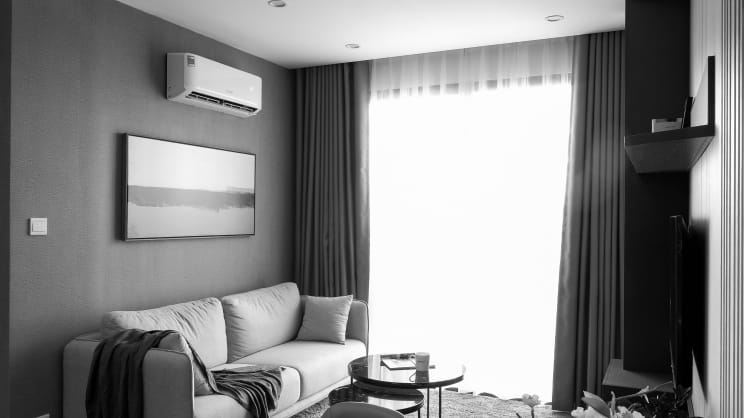
Unlike fixed downlights, spotlights can be angled. This sounds minor until you live with it.
You can:
- Direct light onto walls to make rooms feel wider
- Highlight artwork or shelves
- Twist lights away from guests’ eyes in the living room
- Softly light corners without exposing every flaw
I’ll admit it: one corner of my living room has a permanently damp patch because of water pipes underneath. A well-angled spotlight makes it disappear into visual irrelevance. Sometimes lighting is also about hiding what you don’t want attention on.

Wattage mistakes that ruin good homes
This is where many people go wrong. Higher wattage does not mean better lighting. It usually means glare. My husband initially in his experimental stage bought three 30 watt units, bright enough to heat leftover friend chicken.
Using very bright spotlights makes a home feel like a showroom. Shiny, harsh, and uncomfortable. The trick is multiple low-watt lights spaced evenly, creating soft, diffused brightness without sharp shadows. Think atmosphere, not floodlights. The mantra is more of less is more….er, you get what I mean.
For bedrooms, consider spotlights with semi-frosted lenses. They soften the beam and prevent harsh light pools, making the space calmer and more sleep-friendly.
Cost and long-term value
Yes, the initial setup can feel a bit pricey. A typical setup of 8–10 spotlights, two rails, and electrician costs can easily cross 8,000 BDT. But this is a long-term investment.
These lights last years and are repairable. I installed mine six years ago, and they are still going strong. Over time, they cost less than repeatedly replacing cheap fixtures that never quite work. More importantly, good lighting genuinely affects mood, comfort, and how much you enjoy your home. Do keep in mind the lumen output (fokfoka brightness) does go down very slightly over the years.
Dos and Don’ts
Do
- Choose 6–8 watt LEDs for most rooms
- Ask for 4000K neutral light
- Use more lights at lower brightness
- Angle lights towards walls and features
- Use frosted lenses in bedrooms
Don’t
- Go for very high wattage
- Mix different colour temperatures in one room
- Point lights directly at seating areas
- Overcrowd rails without spacing
- Let electricians decide everything without discussion
Comments