


The hurt goes on: England pay the price for playing not to lose

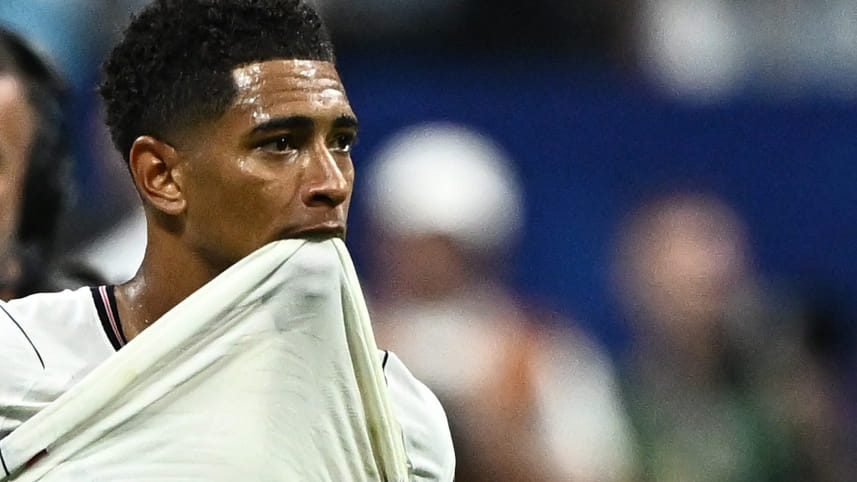
History does not simply repeat itself for England. It hunts them.
Every generation convinces itself this time will be different. Different manager. Different players. Different mentality. The ending, however, never changes.

Atlanta was supposed to be the night England finally buried 60 years of hurt. Instead, it became another reminder that this team remains its own worst enemy.
There is one statistic that captures this team perfectly: England are the only nation this century to score first in two World Cup semi-finals and lose both.
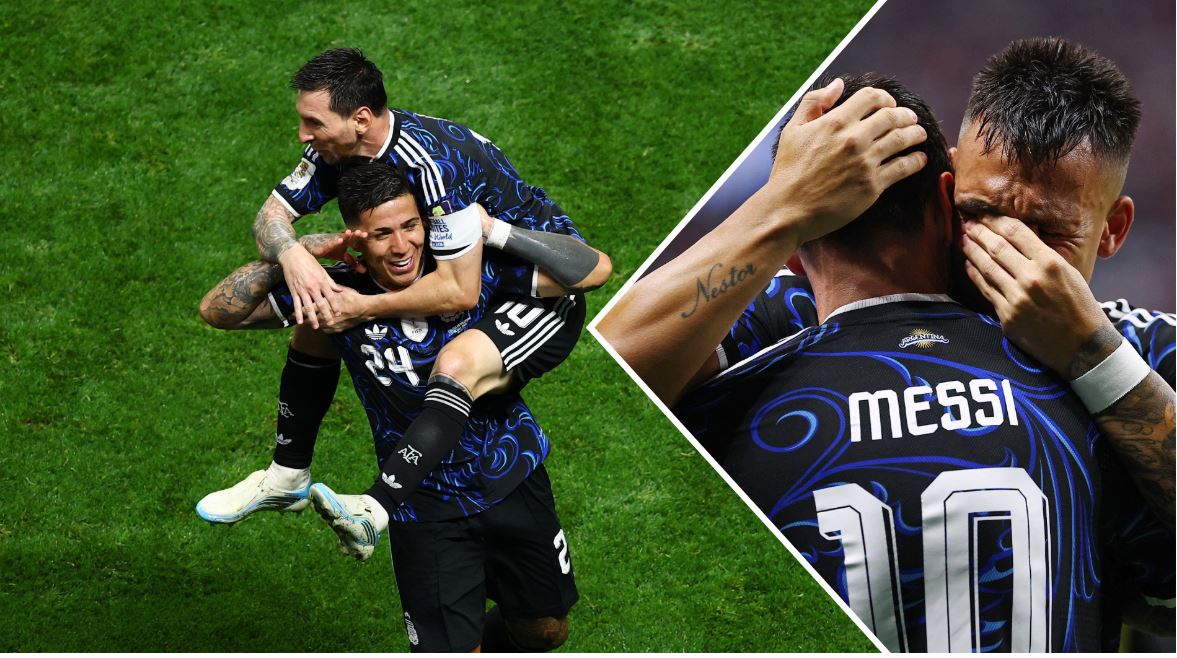
It happened against Croatia in 2018. It happened again against Argentina in 2026.
The script barely changed. England started brightly, took the lead, retreated into themselves and slowly surrendered control until defeat felt inevitable. At some point it stops being misfortune. It becomes an identity.
Anthony Gordon's strike in the 55th minute should have been the beginning of England's finest hour. For almost an hour, England looked every inch a side capable of reaching the World Cup final.
Then everything changed.
One goal ahead in a World Cup semifinal, England stopped trying to win and started trying not to lose.
Thomas Tuchel's response invited the pressure that ultimately overwhelmed his side. The attacking ambition disappeared, England retreated ever deeper and, for the final 25 minutes, Tuchel effectively deployed six defenders to protect a one-goal lead. Rather than building on England's momentum, he surrendered it.
Lionel Messi was handed room to dictate while Enzo Fernandez continued to probe from midfield. Argentina sensed exactly what England were doing.
Football does not reward fear. It punishes it. England were punished again.
The most frustrating moment came after the final whistle.
Asked whether his decisions had contributed to England's collapse, Tuchel refused to entertain the idea.
"If it doesn't end up well, it's easy to say that my decisions were wrong. I have zero regrets. We played one of our best matches, maybe the best."
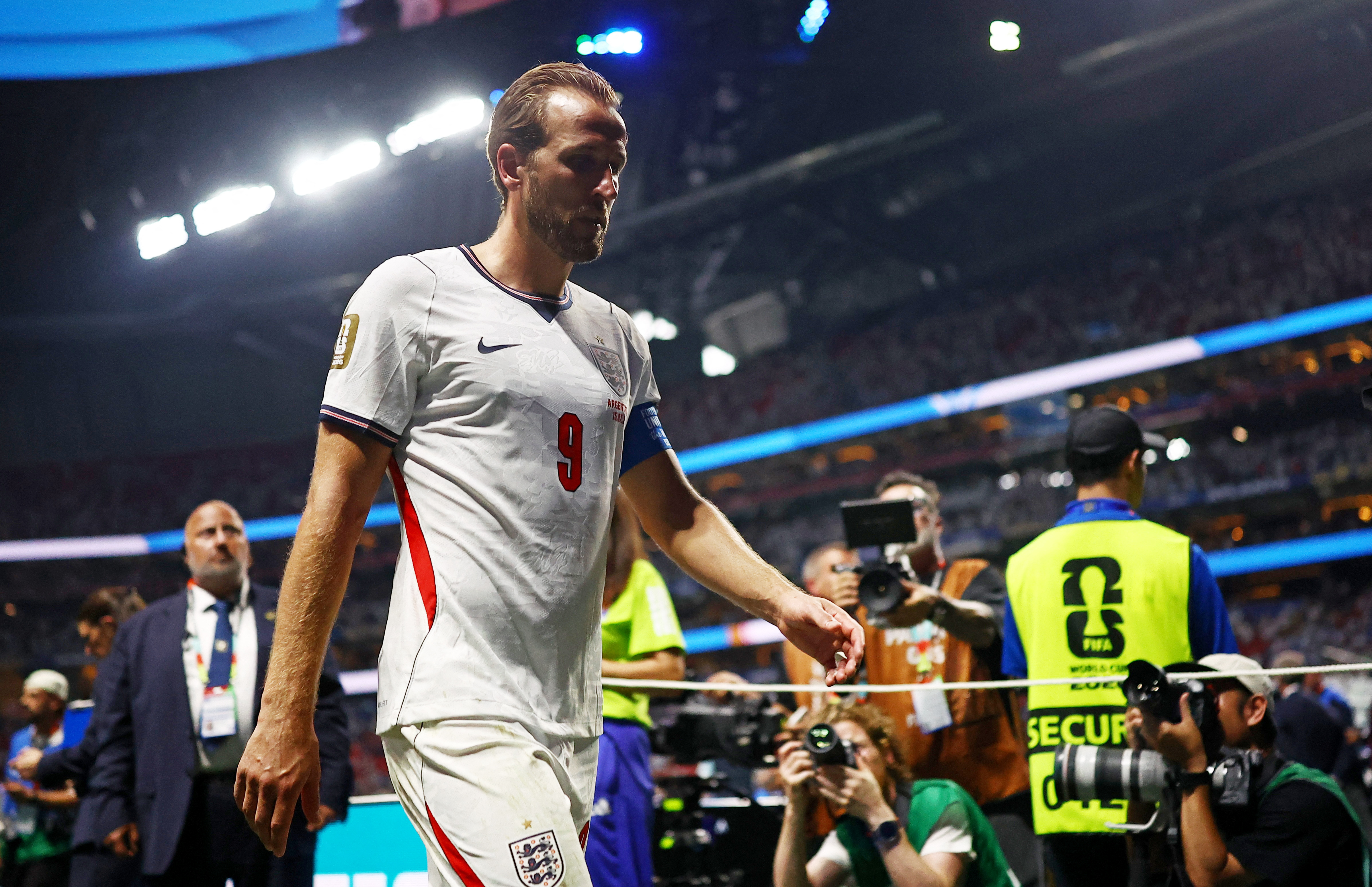
Zero regrets?
Managers get things wrong. It happens. But to watch England surrender control of a World Cup semifinal before insisting there was nothing to regret felt remarkably detached from what had unfolded.
England possess arguably their strongest generation for decades. Jude Bellingham, Bukayo Saka, Anthony Gordon, Morgan Rogers, Declan Rice and Harry Kane form the spine of a side most countries would envy.
 For all latest news, follow The Daily Star's Google News channel.
 Yet, when the biggest moments arrive, the same instinct still takes over.
Protect. Retreat. Hold on.
For all the talk about tactics, formations and substitutions, England's greatest opponent remains themselves. When the stakes are highest, caution still outweighs conviction.
Sixty years after 1966, the song still rings around stadiums.
It's coming home? No. It's not coming home. Not like this.
The hurt goes on. And until they stop playing not to lose and start daring to win, it may never end.



Comments