


In the frozen kingdom: My Antarctic expedition
Antarctica is often described as the last great wilderness on Earth, a continent of silence, ice, and untamed beauty. At the southern edge of the world, surrounded by towering glaciers and endless white horizons, one begins to understand why this frozen kingdom has captivated explorers for generations.
Recently, I had the rare opportunity to complete an extraordinary expedition to Antarctica alongside Bangladesh’s leading travel content creator, Salahuddin Sumon. Our journey across the South Atlantic and the Southern Ocean was more than an adventure; it was also a sobering reminder of the fragility of one of the planet’s most untouched ecosystems in an era of accelerating climate change.
A voyage toward the world’s last frontier
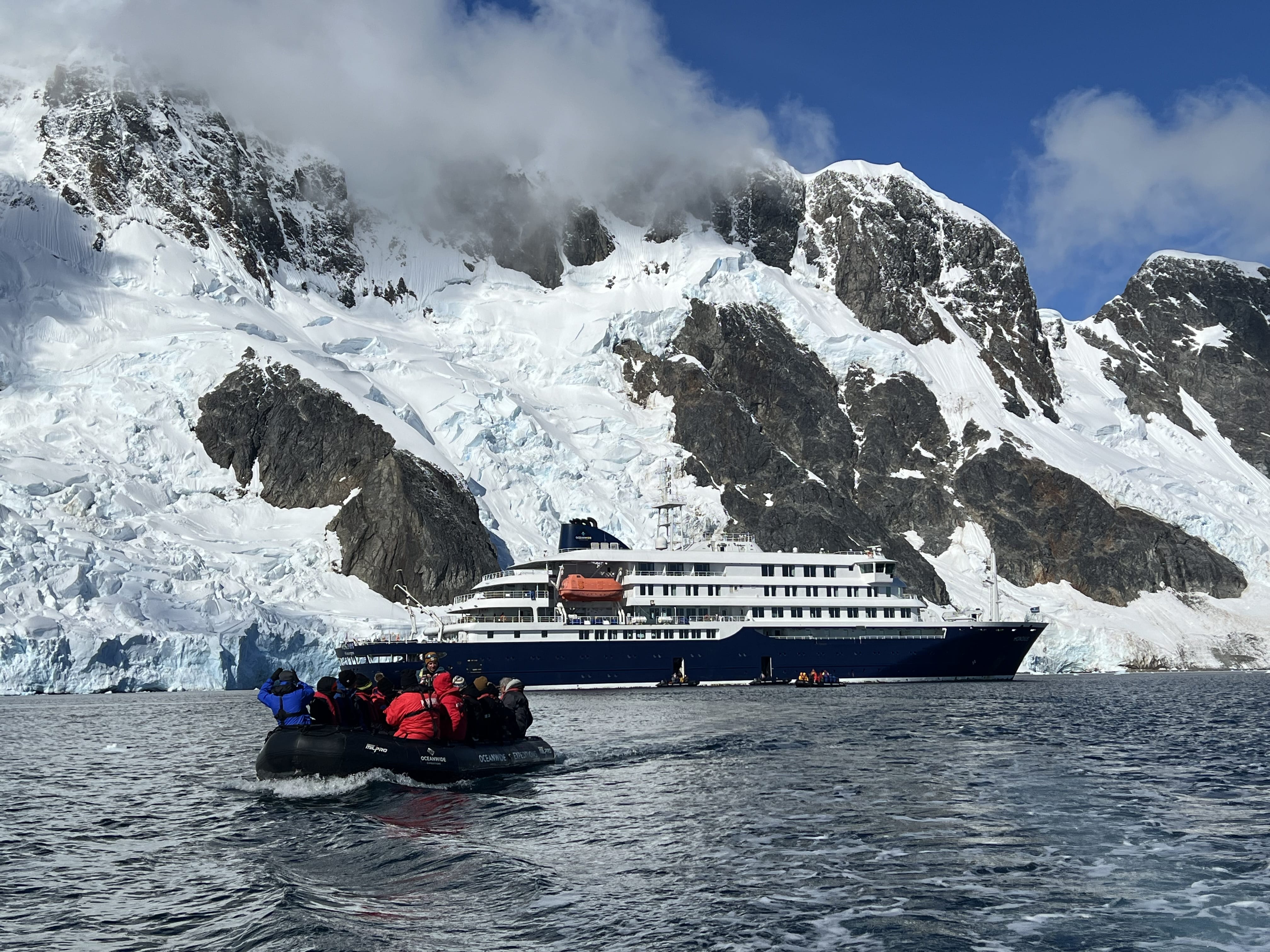
The expedition began in Ushuaia, Argentina, widely known as the southernmost city in the world. From there, we boarded an expedition vessel operated by Oceanwide Expeditions, setting sail into the unpredictable waters of the Southern Ocean.
The crossing was both demanding and awe-inspiring. Relentless winds, towering waves, and rough seas underscored nature’s raw power. Yet beyond the turbulence lay the promise of Antarctica, a land where time appears suspended and human presence feels almost insignificant.
Wildlife encounters in Falklands and South Georgia
Before reaching the Antarctic Peninsula, our route took us through the remote Falkland Islands and onward to South Georgia, one of the most wildlife-rich regions on Earth.
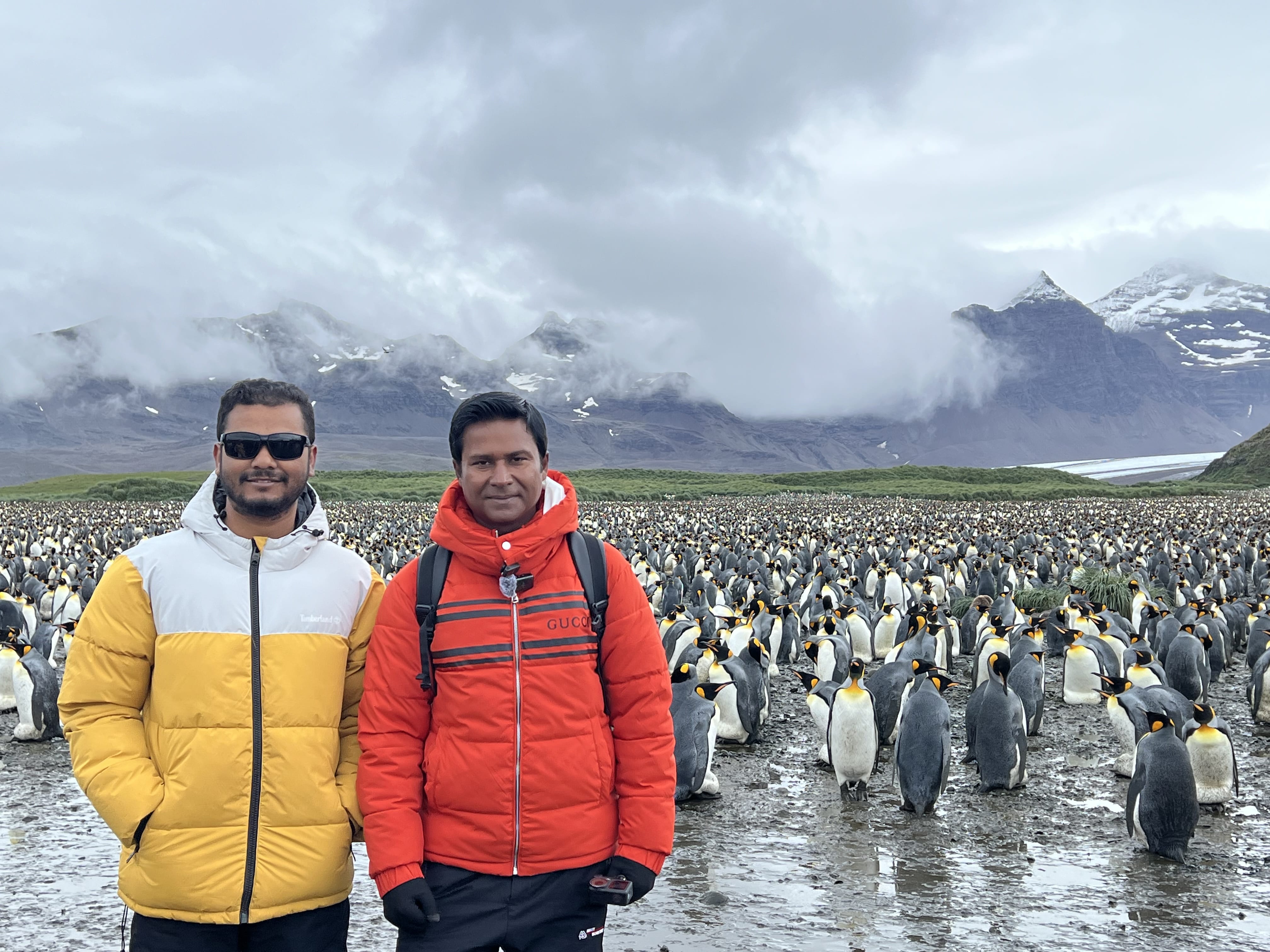
South Georgia felt like a scene from a nature documentary. Vast colonies of penguins, particularly King Penguins and Gentoo Penguins, covered the shores in astonishing numbers. One of the most unforgettable moments was witnessing hundreds of thousands of King Penguins gathered in a single colony, a spectacle so immense that it was difficult to fully comprehend.
The beaches were equally alive with fur seals and massive elephant seals, while above, seabirds such as the majestic albatross soared effortlessly through the southern skies.
Grytviken: Echoes of history and exploration
In South Georgia, we visited Grytviken, the abandoned whaling station that stands today as a haunting reminder of humanity’s once destructive exploitation of the Southern Ocean.
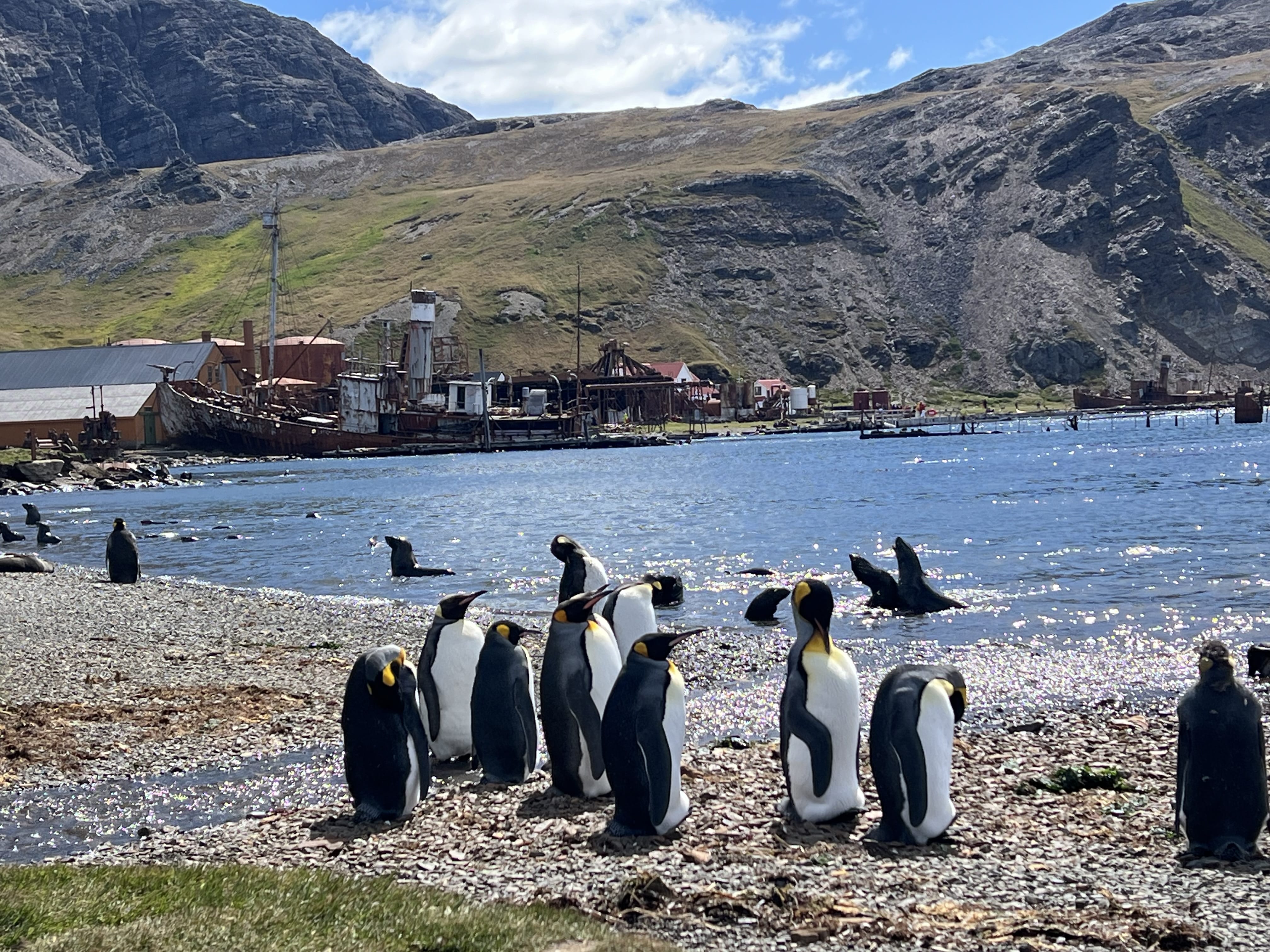
Once a centre of industrial whaling, Grytviken is now preserved by the South Georgia Heritage Trust, symbolising both a dark chapter of environmental history and the hope of ecological recovery. Whale hunting has long been banned in these waters, and the return of whales in abundance is a powerful sign of nature’s resilience.
Grytviken also holds deep historical significance as the final resting place of Sir Ernest Shackleton, one of the greatest British explorers of the Antarctic heroic age. Shackleton died in South Georgia in 1922 and was buried here, at the gateway to the continent that defined his life’s ambition.
Visitors continue to honour his legacy through a long-standing tradition: raising a glass of “Shackleton whisky” beside his grave, a quiet tribute to endurance, courage, and the spirit of exploration.
Arrival in Antarctica: A world of ice and silence
After days at sea, Antarctica finally emerged on the horizon: an otherworldly landscape rising from the ocean in vast sheets of ice.
Setting foot on Antarctic land was unlike any experience I have known. Snow-covered mountains, immense glaciers, and an almost sacred silence created a sense of standing on another planet.
The continent’s wildlife was equally remarkable. We encountered large populations of Chinstrap Penguins and Adélie Penguins, with occasional sightings of Macaroni Penguins. In the surrounding waters, humpback whales surfaced gracefully near our vessel, and we were fortunate to spot a few orcas, the apex predators of the Southern Ocean.
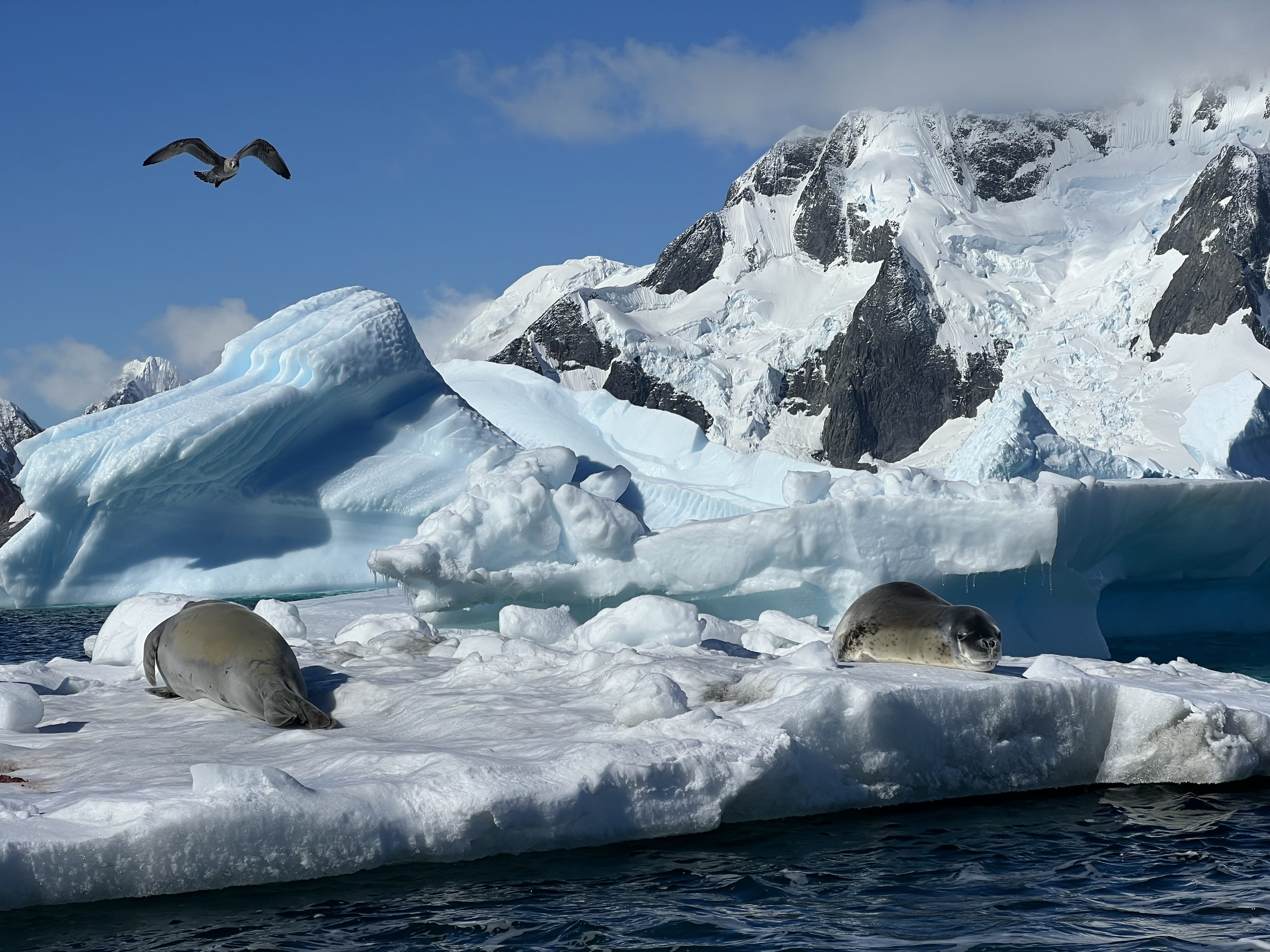
Seals were a constant presence on the ice, from the powerful leopard seal to the thriving crabeater seal, each uniquely adapted to this extreme environment.
A fragile kingdom under threat
Despite its remoteness, Antarctica is not immune to the impacts of global warming. Even in this frozen wilderness, the signs of climate change are impossible to ignore.
Glaciers are melting at alarming rates, and the continent that appears eternal is, in reality, deeply vulnerable. Standing before towering walls of ice, one cannot escape the feeling that what happens here will shape the environmental future of the entire planet.
A milestone for Bangladeshi travel storytelling
For Bangladeshi travellers, reaching Antarctica remains exceptionally rare, due to the immense distance, cost, and logistical challenges involved.
This expedition was therefore more than a personal milestone. Through Salahuddin Sumon’s Bangla storytelling and documentation, we hope to bring this extraordinary continent closer to audiences at home, not merely as a destination of breathtaking beauty, but as a reminder of what is at stake.
Antarctica is not simply a place on the map.
It is Earth’s final frontier, vast, pristine, and fragile.
And once you have stood at the white edge of the world, you return forever changed.
Nilay Kumar Biswas is a Mass Communication and Journalism graduate from the University of Dhaka, a travel enthusiast, filmmaker, and tourism entrepreneur.
Send your articles for Slow Reads to slowreads@thedailystar.net. Check out our submission guidelines for details.
What Bangladesh lost with the Baibari Ghar

Why does the bride always leave? Rethinking South Asian marriage

The saree I could not give away

What the World Cup means for women in Bangladesh
Dhaka's forgotten residents: Rethinking our relationship with animals

Why do we educate our children at all?

Have you eaten? Finding echoes of China in Bangladesh
The apology for the animal: Donald Trump, the buffalo, and the breakdown of political naming

Why more people are choosing to stay single
