


Rethinking Bangladesh's health sector reform after SWAp


After more than two and a half decades of being in operation, the Health, Population and Nutrition Sector Programme (HPNSP) was discontinued by the interim government last year. Operating under the health ministry since 1998, the HPNSP oversaw basic health, nutrition and family planning services across the country. The concern that follows this decision is only natural: does Bangladesh have a credible alternative to sustain the gains achieved through the programme over a quarter of a century, while addressing the problems in the health sector it could not resolve? To answer this question, it is worth revisiting why the first Health and Population Sector Programme (HPSP) was introduced, and what lessons its evolution offers for the future.
During the 1980s and 1990s, a number of low- and middle-income countries introduced health sector reforms as demographic change, shifting disease patterns, economic restructuring, and fiscal pressures exposed weaknesses in their public health systems. In Bangladesh, the health ministry was managing around 128 donor-funded standalone projects, each with separate objectives, procurement systems, reporting requirements, and financing arrangements. Resources were fragmented, duplication was common, and development priorities often reflected donor preferences rather than a coherent national strategy, limiting government ownership and long-term planning.

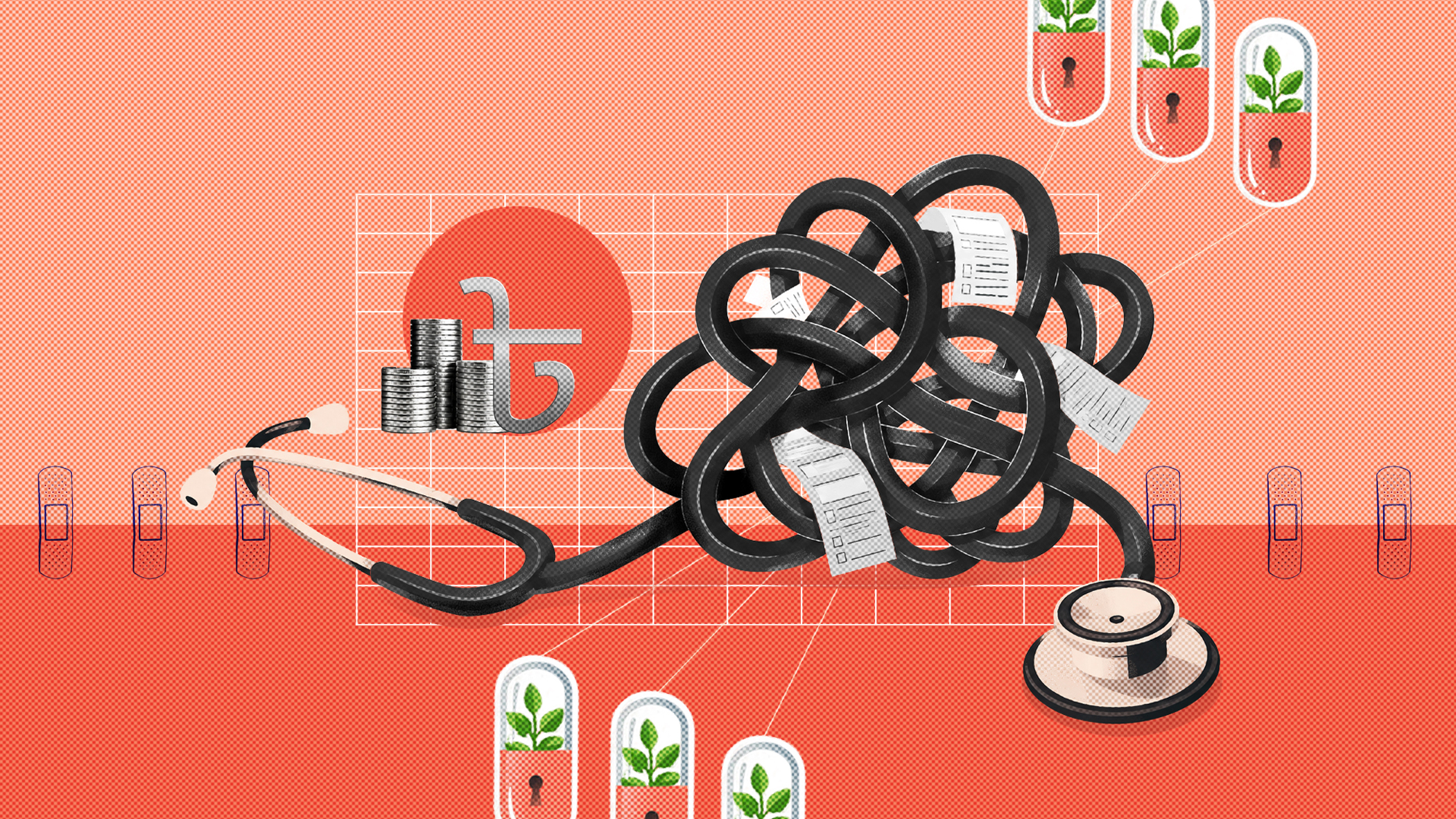
To address these challenges, the Bangladesh government adopted the first phase of HPNSP, the Health and Population Sector Programme (HPSP, 1998-2003) under the Sector-Wide Approach (SWAp). This phase was followed by the Health, Nutrition and Population Sector Programme (HNPSP, 2003-2011), the Health, Population and Nutrition Sector Development Programme (HPNSDP, 2011-2017), and the Fourth Health, Population and Nutrition Sector Programme (2017-2024). Under SWAp, planning began with a strategic investment plan, which translated national health priorities into long-term investments. This informed the multi-year Programme Implementation Plan (PIP), which was operationalised through operational plans (OPs) detailing activities, outputs and budgets. Allocations from the Annual Development Programme (ADP) were then drawn from the OPs. In 2006-07, the medium-term budgetary framework introduced three-year rolling expenditure ceilings, linking strategic planning with medium-term fiscal management while retaining the PIP-OP-ADP planning sequence.
The introduction of SWAp transformed Bangladesh’s health sector from a fragmented collection of donor-funded projects into a coordinated, government-led programme. It strengthened national ownership, improved coordination among development partners, reduced duplication, streamlined procurement and financial management, and introduced unified planning, monitoring and budgeting for the health sector. The approach also enhanced institutional capacity and contributed to improvements in maternal and child health, immunisation, and overall health system governance.
However, planning under SWAp was complex. Preparing each sector-specific programme required multiple planning documents, extensive consultations, and lengthy approvals involving ministries, planning agencies, and development partners. While these processes strengthened accountability, they reduced flexibility, making it often difficult to respond quickly to emerging health challenges. More importantly, integration remained incomplete: although sector planning became unified, the country continued to separate development and operating budgets, the latter remaining outside SWAp. As a result, infrastructure investments did not always get matched with adequate staffing, maintenance or operational resources. Planning became integrated on paper, but implementation remained fragmented. Donor harmonisation was also partial. While pooled financing reduced transaction costs, several bilateral agencies and UN organisations continued operating through parallel funding mechanisms with separate reporting and procurement systems, limiting full government ownership.

SWAp was also largely confined to the health ministry, despite the country’s increasingly pluralistic health system. Local governments, private providers and NGOs, despite being key contributors to service delivery, remained largely outside sector planning, limiting the programme’s ability to govern the health system as a whole. Although disease-specific programmes for maternal and child health, communicable and non-communicable disease (NCD) control, tuberculosis, family planning, immunisation, and nutrition achieved important gains, they often operated in silos. The number of OPs expanded from 22 under HPSP to 38 under HNPSP, before being reduced to 32 and 31 in the subsequent programmes, reflecting persistent programme fragmentation. Similar and sometimes overlapping OPs existed between the Directorate General of Health Services (DGHS) and the Directorate General of Family Planning (DGFP), particularly in areas such as maternal and child health and health information systems. As a result, patients with multiple health needs continued to navigate fragmented rather than integrated services.
Institutional fragmentation was reinforced by SWAp itself. Line directors managed development-funded OPs, while permanent directors remained responsible for routine functions under the operating budget. This created parallel management structures with separate reporting, planning and accountability systems, often blurring responsibilities and complicating coordination between development activities and routine service delivery.
Ironically, the end of SWAp has also exposed its value. The abrupt discontinuation of the health sector programme created uncertainty in planning, financing and procurement. Procurement of essential medicines, vaccines, contraceptives and medical supplies experienced delays as established financing and approval mechanisms were dismantled. Critical public health programmes, including immunisation, TB control, NCD control, family planning, maternal health and nutrition faced implementation challenges during the transition. Development partners accustomed to working within a common planning framework also had to adjust to new financing arrangements, creating coordination gaps.
This experience offers an important policy lesson. While institutional reform is necessary, abrupt institutional disruption carries real costs. The challenge now is to preserve what worked while addressing what did not. Future reforms should move beyond programme management towards institutional transformation. Planning should become genuinely inclusive by bringing together government and private healthcare providers, local government institutions, professional bodies, civil society, and patient representatives. Decision-making should also become more decentralised. Equally important is the reform of the financing process. Bangladesh can no longer sustain a system where development investments and operational expenditures are planned separately. Improved coordination between these financing streams would improve both efficiency and accountability while strengthening service delivery. Finally, success should be measured not by the number of projects completed or budgets spent, but by whether people receive timely, affordable and quality healthcare.
Bangladesh’s health challenges have changed profoundly since SWAp was introduced 28 years ago. Rapid urbanisation, ageing population, the growing burden of NCDs, climate-related health risks, and increasing public expectations demand a healthcare system that is more integrated, resilient and people-centred than the one designed in the late 1990s. SWAp solved many of yesterday’s problems by bringing order to a fragmented aid environment. The next generation of reforms must go further. In addition to a planning framework, the country needs stronger institutions capable of delivering high-quality healthcare regardless of who finances, manages or provides the service. That should define the future of health sector reform.
Dr Rumana Huque is professor in the Department of Economics at Dhaka University and executive director at ARK Foundation.
Views expressed in this article are the author's own.
Follow The Daily Star Opinion on Facebook for the latest opinions, commentaries, and analyses by experts and professionals. To contribute your article or letter to The Daily Star Opinion, see our guidelines for submission.
 For all latest news, follow The Daily Star's Google News channel.
Comments