


Beware the double whammy of dengue, measles
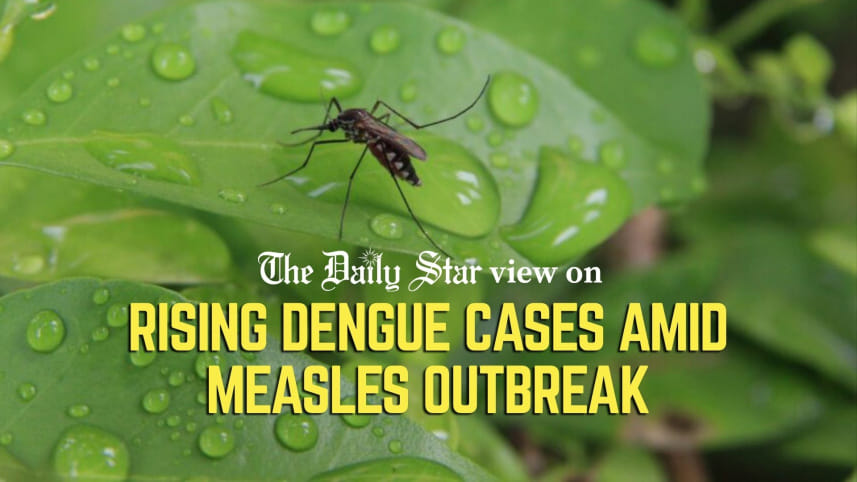
Year after year, we have been ignoring expert warnings about dengue prevention, and almost every year, our laxity leads to a number of preventable deaths. This year, the siren is ringing louder than before as dengue cases have started to climb amid the ongoing measles outbreak, the worst the country has experienced in decades. According to a report by this daily, 6,104 dengue patients have been hospitalised in the first six months of 2026, nearly half of whom were hospitalised in June alone. Meanwhile, out of the 19 dengue-related deaths recorded so far this year, 13 occurred in June. Experts have warned that dengue cases may rise sharply in July and August. One can only imagine the strain on our already overstretched healthcare system if such a situation arises.

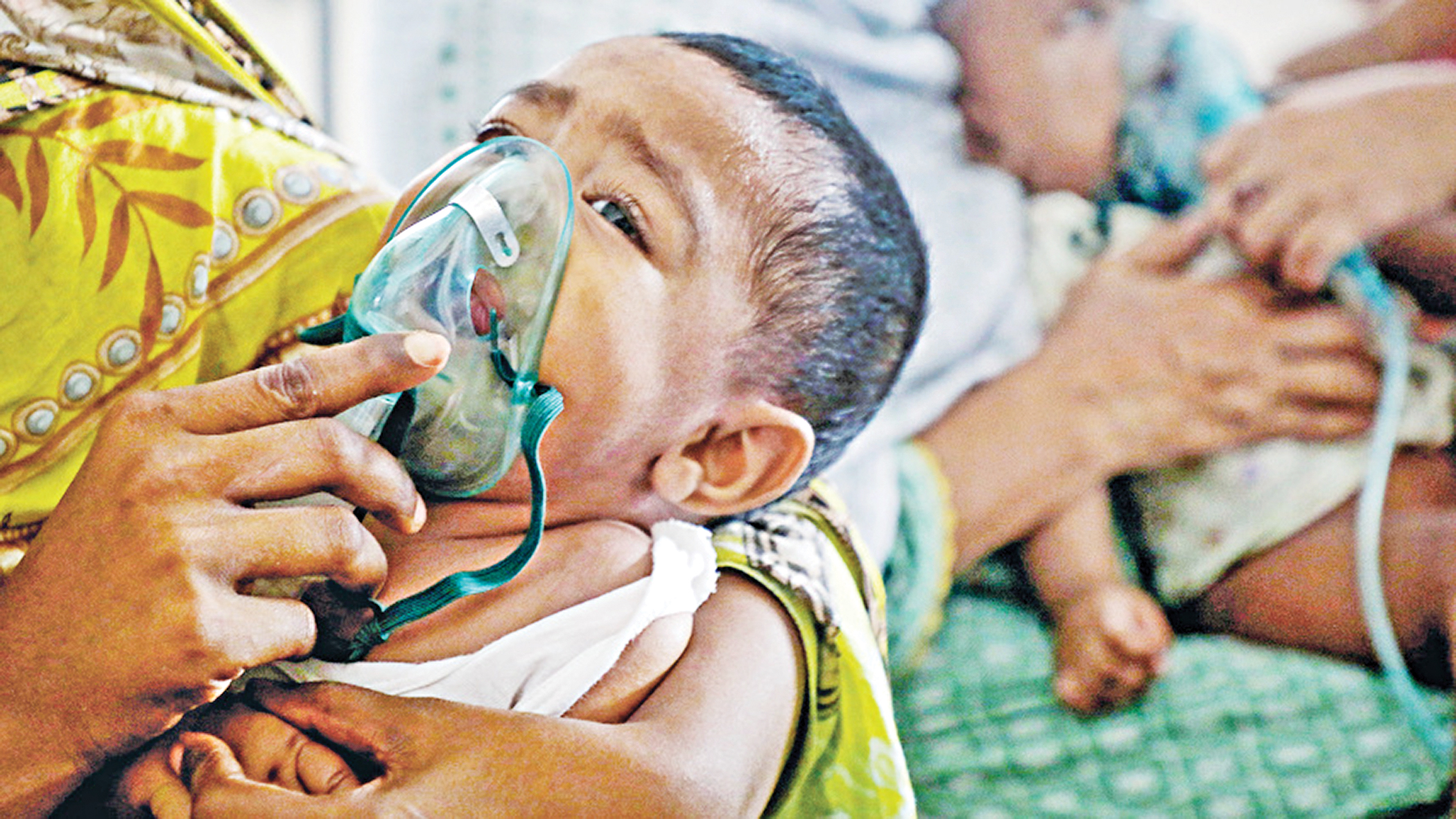
Although the April-May measles-rubella vaccination campaign slowed transmission, the number of new measles cases has not declined considerably. Data from the Directorate General of Health Services (DGHS) shows that 27,741 patients were hospitalised with measles or measles-like symptoms in June, out of a total of 85,509 patients admitted with such symptoms between March 15 and June 30. Of the total admitted, 81,882 have been discharged, while 3,627 patients are still undergoing treatment. What makes the situation more challenging for hospital management is that measles, being a highly contagious disease, requires patients to be isolated. Add to this the demographic profile of dengue and measles; children remain the most vulnerable group. How best can the authorities avoid such a dire situation?
Had Bangladesh implemented proper identification of mosquito breeding and transmission clusters and developed an effective early warning system, the prevalence of dengue would have been reduced considerably during monsoon. But we don't appear to have learnt our lesson since the deadly outbreak of 2023, which took the lives of 1,705 people. Aedes mosquito prevention strategy remains fragmented and reactive, while no routine entomological surveys are conducted to detect Aedes larvae before, during and after monsoon. We still rely on ineffective and age-old techniques such as fogging and insecticide spraying, while putting little emphasis on sustainable strategies such as integrated vector management, biological larvicides, and coordinated community drives.
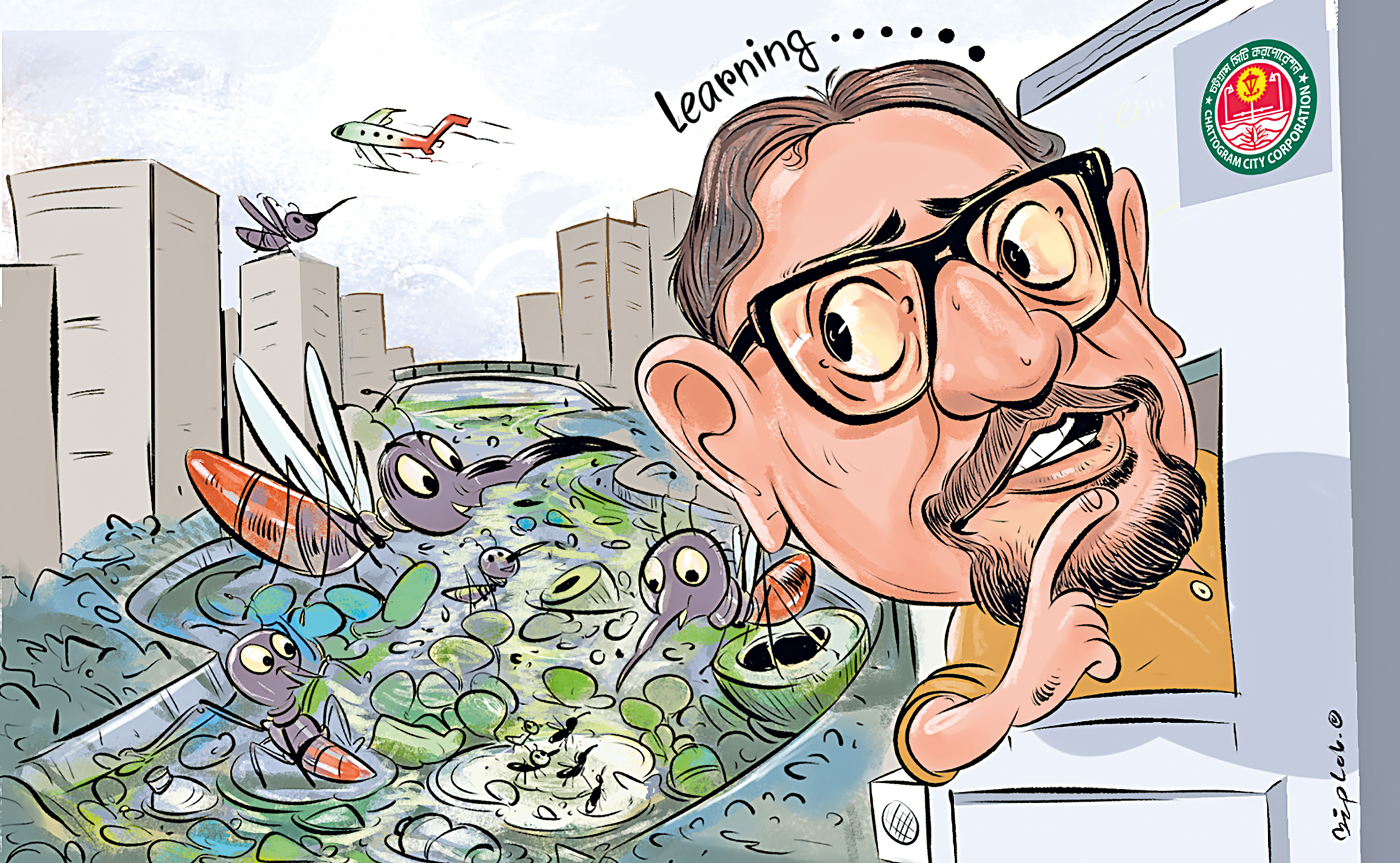
With a new government in power, we can only hope that the health ministry, in coordination with local government bodies, will finally have the sense to adopt an integrated strategy to fight dengue across the country. However, in the short term, drives to eliminate Aedes mosquito breeding sites must be strengthened across all urban and semi-urban areas to avoid the impending crisis. Furthermore, to prepare for a possible upsurge of patients, makeshift treatment facilities and dedicated dengue units must be opened in city, divisional, and district hospitals. Preventable deaths will stop making the headlines only if we act in time.
 For all latest news, follow The Daily Star's Google News channel.


Comments