


Lawachara: The forest that breathes plastic

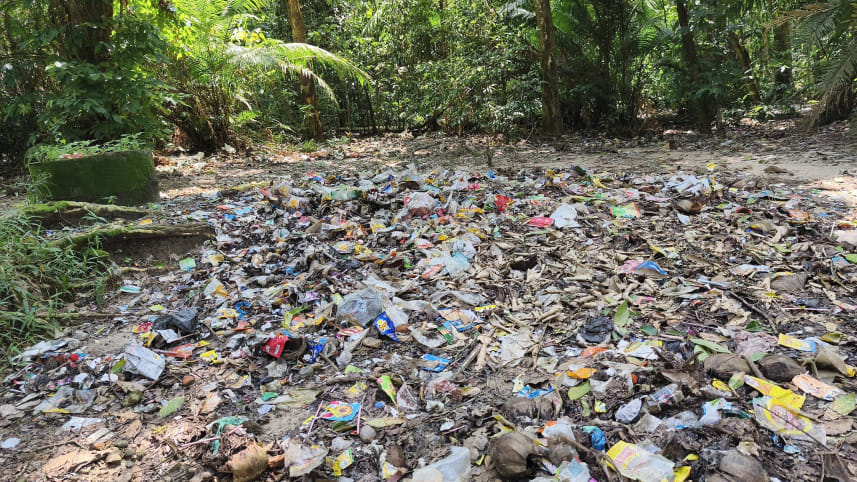
Walk into Lawachara National Park on any weekend and the sight is disheartening: chips packets wedged between tree roots, plastic bottles bobbing in the stream, polythene bags snagged on branches at eye level. What was once one of Bangladesh's most biodiverse forests has, by many accounts, become the country's most scenic rubbish dump.
Declared a national park in 1996, the 1,250-hectare protected forest in Kamalganj upazila of Moulvibazar once sheltered 460 species -- 167 plant species, 246 bird species, 20 mammal species, six reptile species and four amphibian species.
 For all latest news, follow The Daily Star's Google News channel.
 Today, residents and environmentalists agree on one thing: tourists are the major players behind the decreasing number of animals.
In 2018-19, 135,812 tourists entered Lawachara. After pandemic closures, that rose to 162,672 in 2023-24. Between July 2024 and June 2025, 160,385 people entered by purchasing tickets.
Sajidul Hasan, a visitor from Dhaka, said the change between his visits five years apart is startling. On his recent return, even near the entrance, the scene reminded him of a pond beside a market -- chips packets, water bottles, polythene left wherever people sat.
"They come to visit, but they do not understand that the forest breathes," he said.
Saju Marchiang grew up on the edge of this forest. His father could hear the gibbons' call from their courtyard at dawn; his mother remembered deer wandering near the house at night. Those days seem like a dream now. What he sees today: microbuses and private cars queuing every weekend, people entering in groups, making noise, and leaving waste behind. When he asked them to stop, they told him they had bought a ticket and could do as they wished.
"Is the forest bought by paying the ticket price?" he said.
The stream running through the forest edge -- the same water his family uses, their cattle drink, and forest animals rely on -- now carries floating plastic.
Nurul Mohaimin Milton, general secretary of the Moulvibazar unit of the Bangladesh Environmental Journalists Association, says the scale demands urgent institutional response. "Tourism in itself is not harmful, but unplanned and unconscious tourism is acting like poison for this forest," he said.
Over 150,000 people enter Lawachara every year, yet there is not a single dustbin at the entrance and no waste management structure of any kind. Plastic mixes into the soil, floats down the stream, and animals eat it and die.
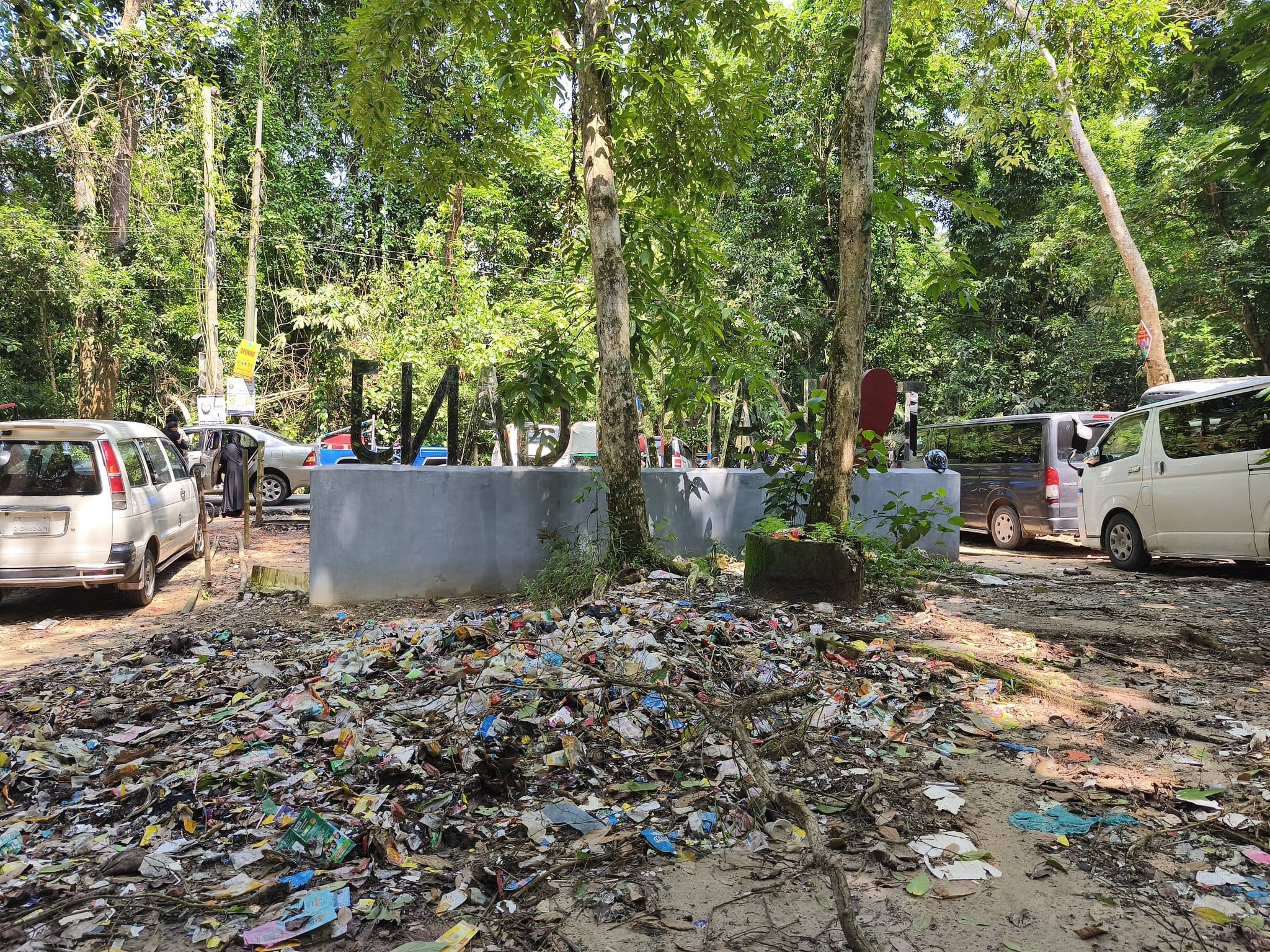
Noise pollution compounds the damage. Tourists talking loudly, playing music at full volume, and walking off trails disrupt animals' natural behaviour -- particularly during breeding season. Gibbons, junglefowl, and pythons have retreated deeper into the forest.
"I would not call this mismanagement alone. It is state indifference towards a protected forest," Milton said. "Without controlling visitor numbers, making guides mandatory and enforcing a carry-in carry-out policy, within a decade Lawachara will become just a name."
Shamsul Haque, general secretary of the Lawachara People's Forum, said, "The animals are not safe here anymore. Everyone has turned Lawachara into a dustbin."
"Pesticide-laced water flowing through the streams kills animals and must be stopped. Vehicle speeds on the railway and road running through the forest must be controlled. If we do those things, we can at least protect what little wildlife remains," he added.
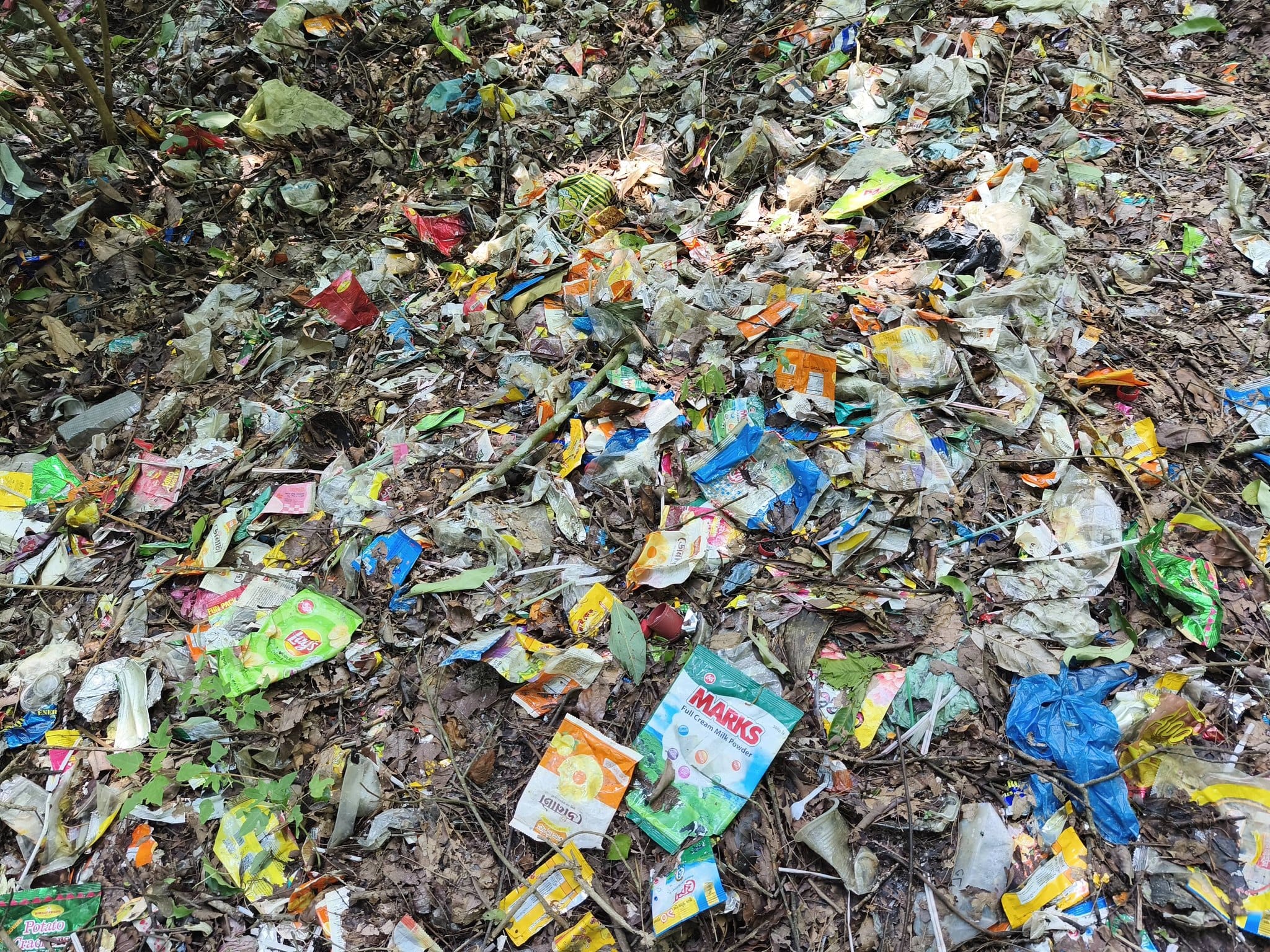
A site visit confirmed the grim picture. No wildlife was spotted. The canopy, once so dense that sunlight never reached the floor, now shows visible patches of open sky.
Kazi Nazmul Haque, range officer of the Srimangal Wildlife Management Office,, said, "We clear the waste every few days. If tourists are not conscious, it becomes very difficult to maintain. But we are trying."
Comments