


Interim govt changed vaccine procurement despite Unicef warning: Science report
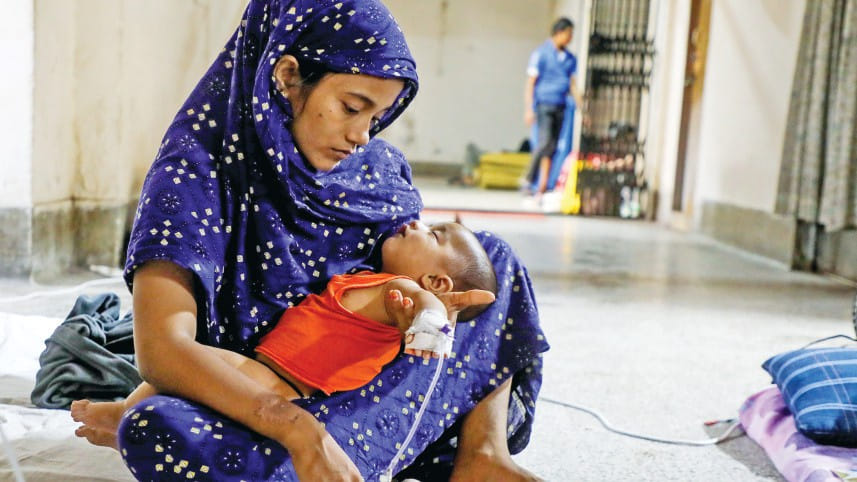
Bangladesh’s worsening measles epidemic followed the interim government’s decision to halt vaccine procurement through Unicef and switch to an open tender system, despite warnings that the move could disrupt routine immunisation and trigger an outbreak, according to a Science.org report published yesterday.
Since mid-March, the country has reported more than 32,000 suspected measles infections and over 250 deaths, mostly among children.
 For all latest news, follow The Daily Star's Google News channel.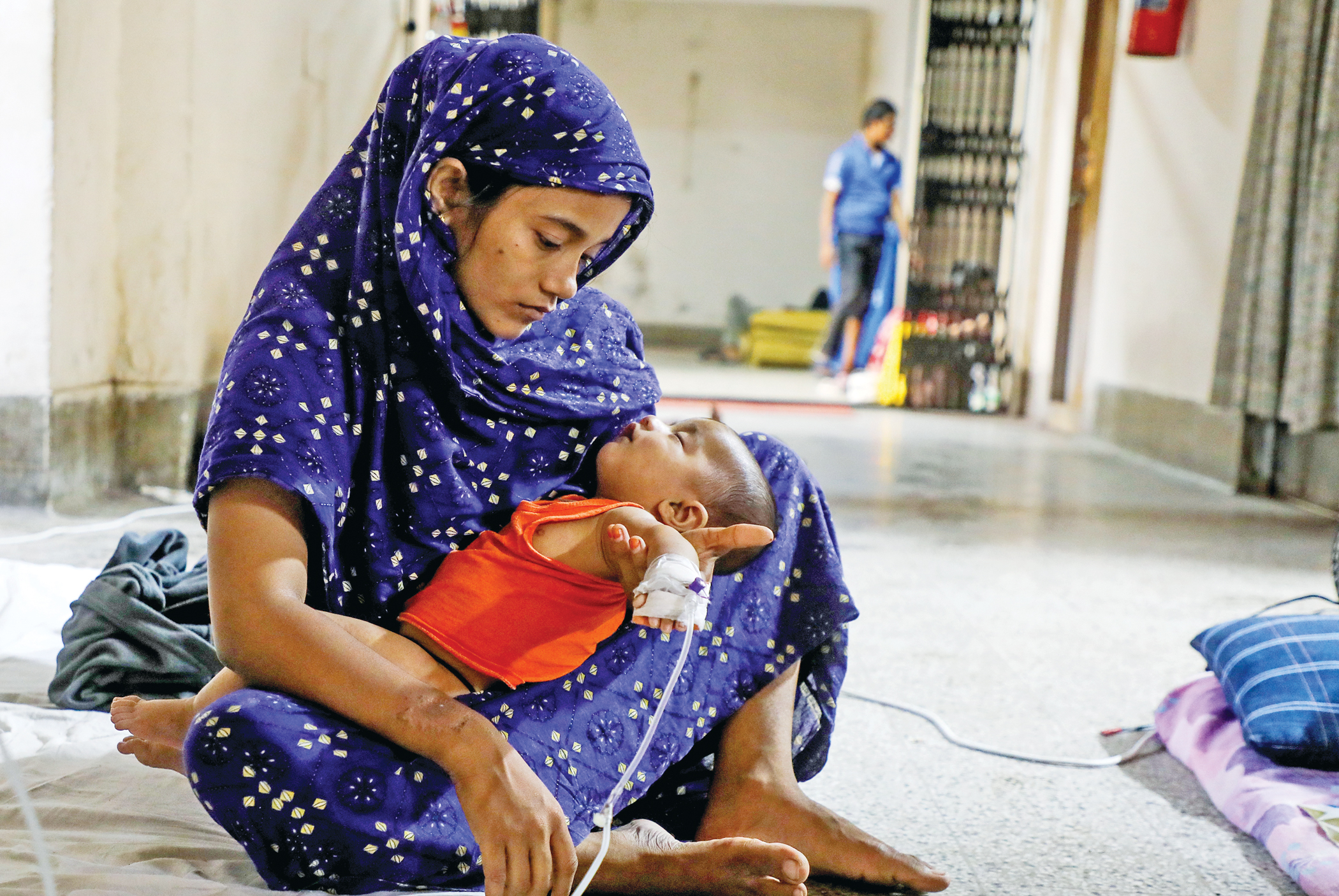
Bangladesh had long relied on Unicef to supply measles-rubella vaccines, funded mainly by Gavi with government contributions.
Children receive two MR doses at 9 and 15 months, while nationwide campaigns are held every four years to maintain 95 percent coverage.
But in September 2025, the interim government led by Prof Muhammad Yunus stopped vaccine procurement through Unicef and shifted to open tendering. Unicef strongly opposed the change.
“It was very frustrating,” Unicef Representative to Bangladesh Rana Flowers told Science.org -- a scientific research, technology and medical news site of the eponymous journal.
“For God’s sake … don’t do this,” she recalled telling the interim government’s health adviser Nurjahan Begum, who did not respond to Science’s questions.
The tender process became caught in bureaucratic delays, causing vaccine supplies to run out and routine immunisation to stall. A supplemental MR campaign, postponed from 2024 to 2025 because of unrest, was eventually cancelled. By late March, government data showed only 59 percent of eligible children had received measles vaccines in 2025. The figures were later removed from the website, Science reported.
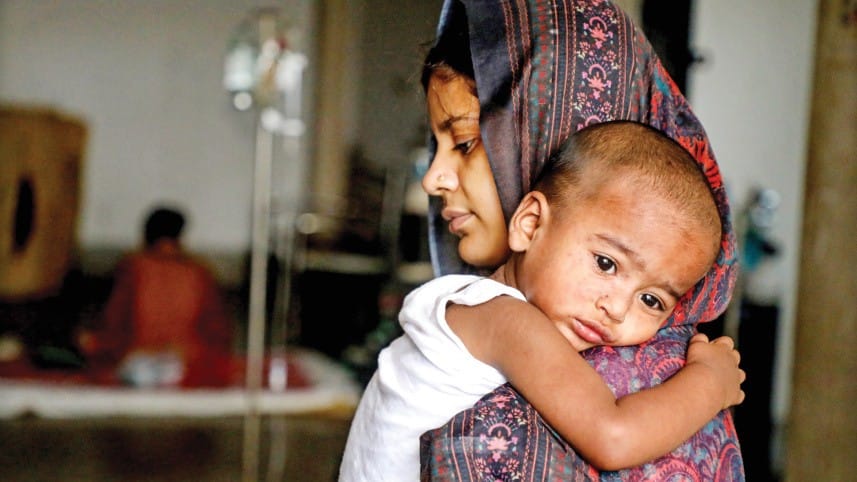
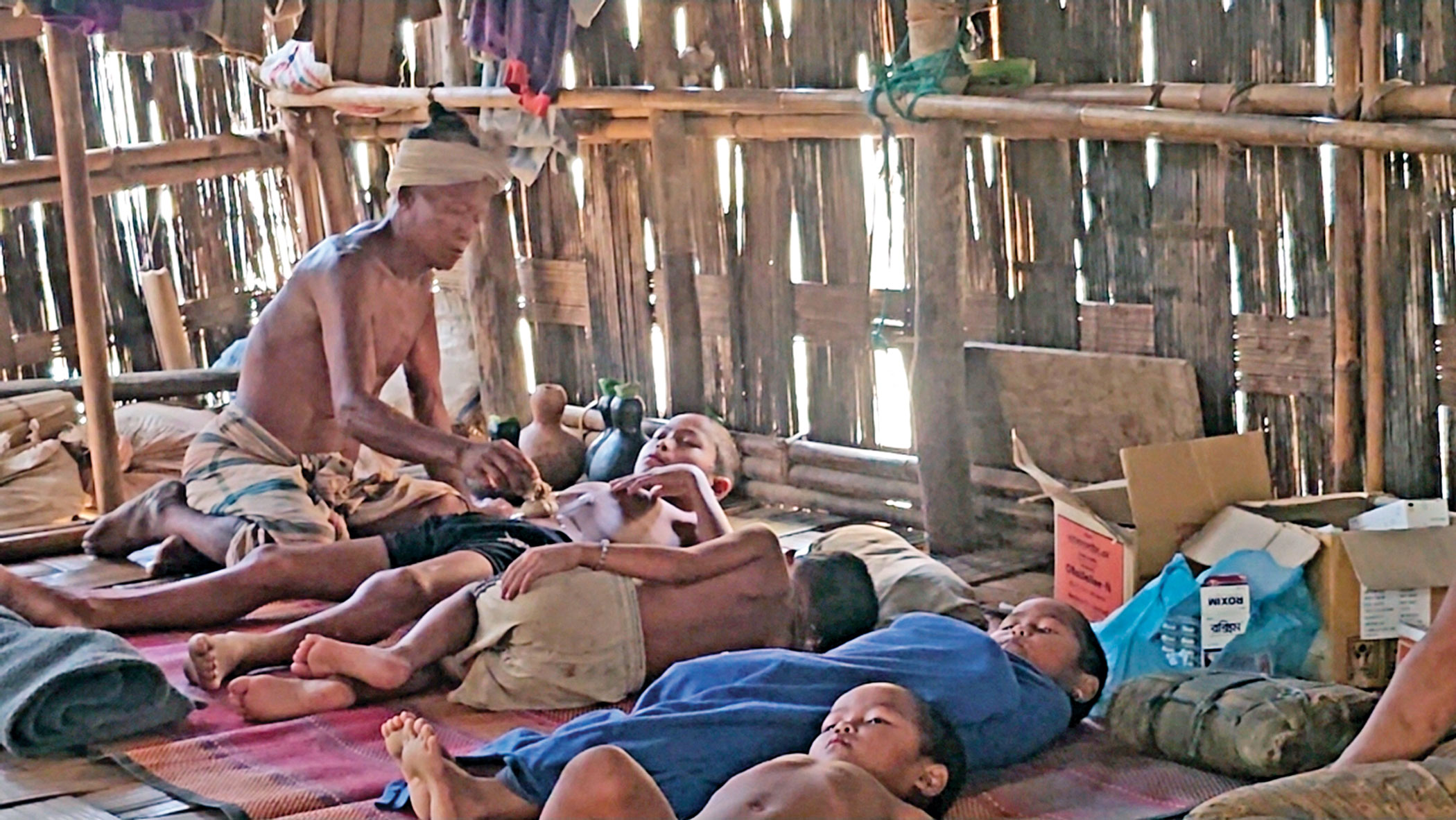
The outbreak began in January in Rohingya refugee camps near the Myanmar border before spreading rapidly across Bangladesh. It has now reached 58 of the country’s 64 districts and caused more than 21,000 hospitalisations. In an April 23 update, the World Health Organization warned of a considerable risk of spread to Myanmar and India.
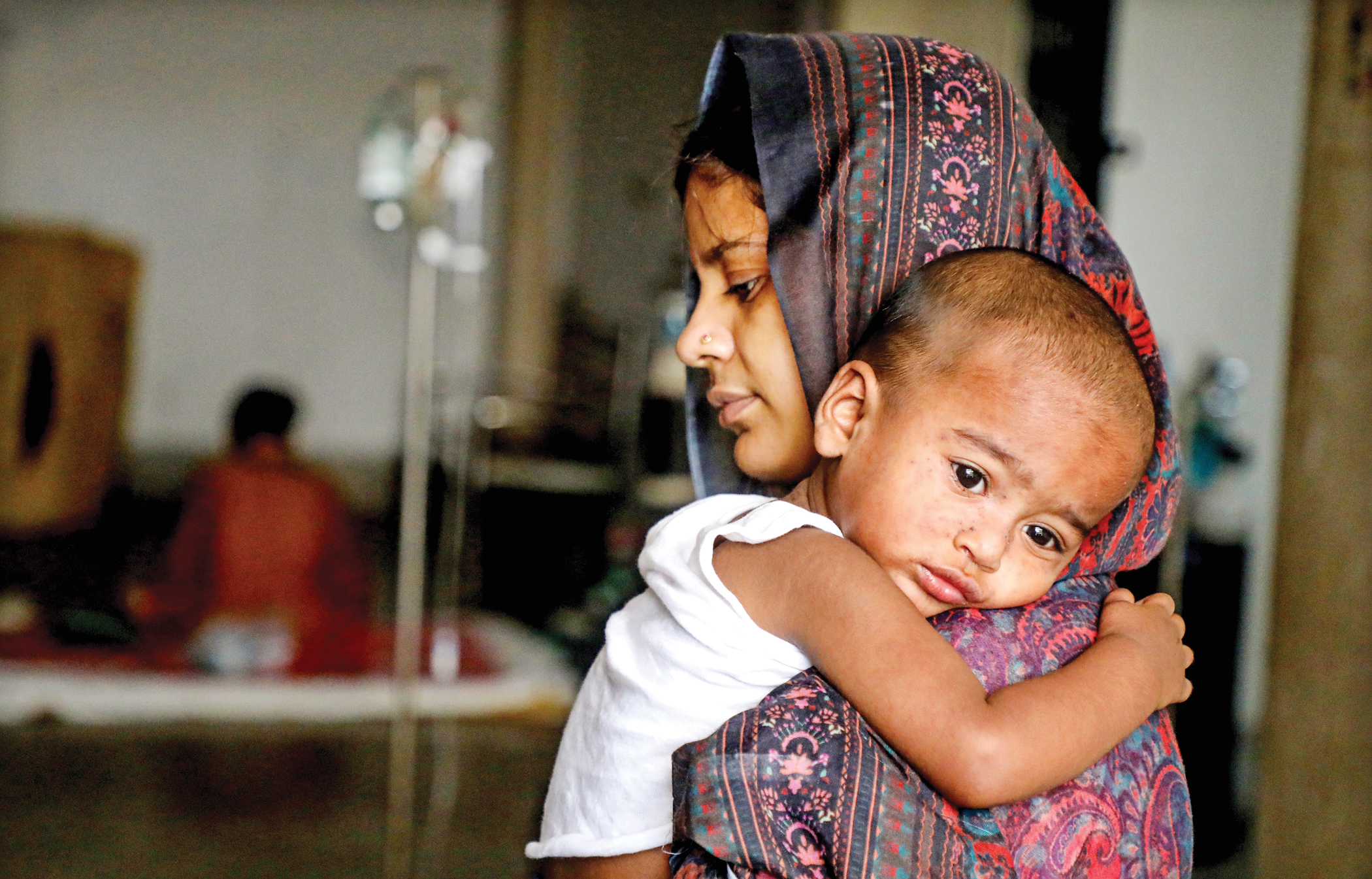
Experts say vaccine gaps were compounded by malnutrition and a weak health system. Around 28 percent of Bangladeshi children under five are stunted, while missed vitamin A distribution campaigns since 2024 have further weakened immunity, said ASM Alamgir, former principal scientist at IEDCR.
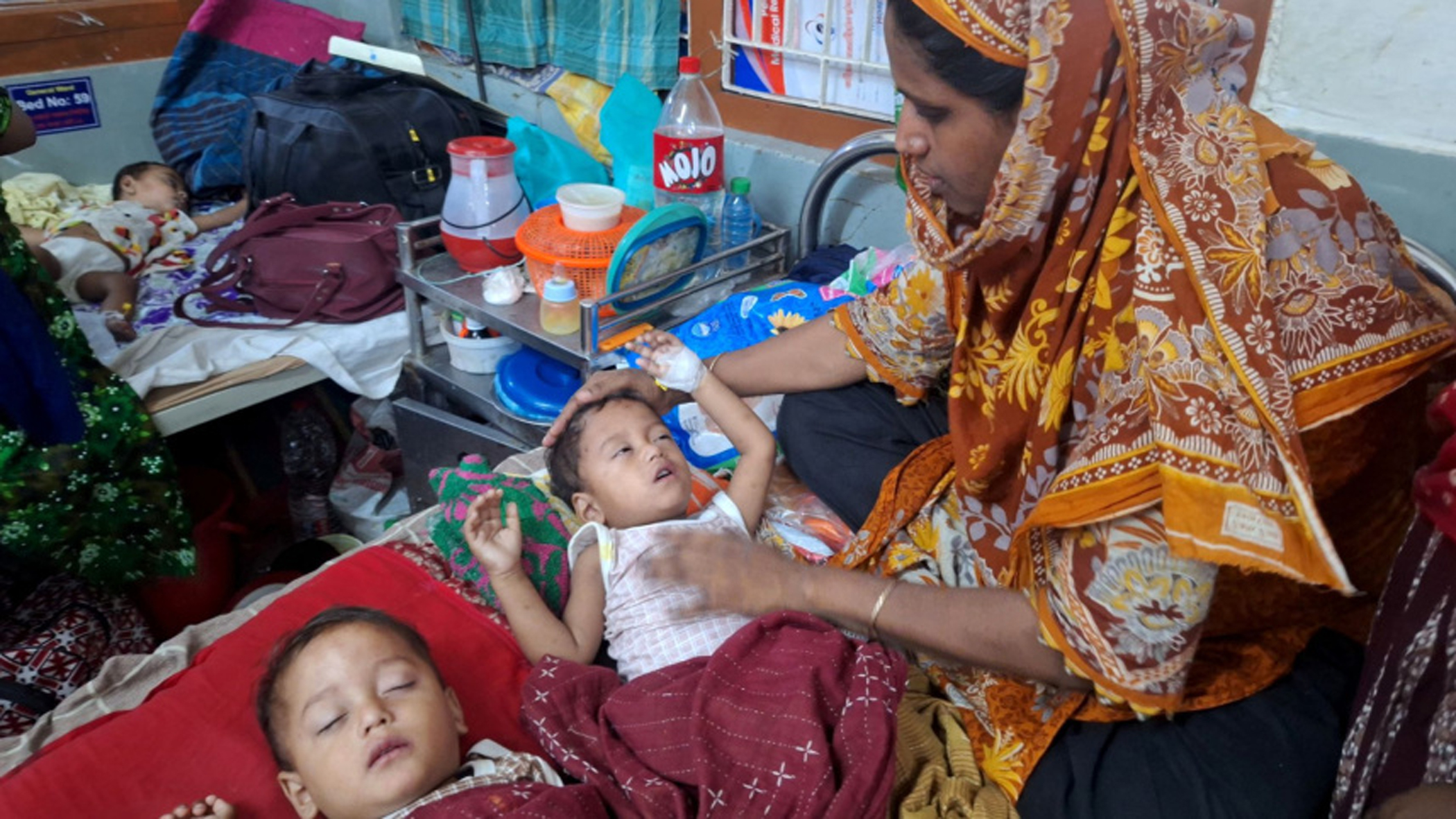
Bangladesh reinstated vaccine procurement through Unicef in April and worked with WHO and Gavi to secure supplies, said Ziauddin Hyder, special assistant on health affairs to Prime Minister Tarique Rahman. Authorities launched an emergency vaccination drive on April 5 in high-risk areas, followed by a nationwide rollout on April 20. Vitamin A distribution is also set to resume.
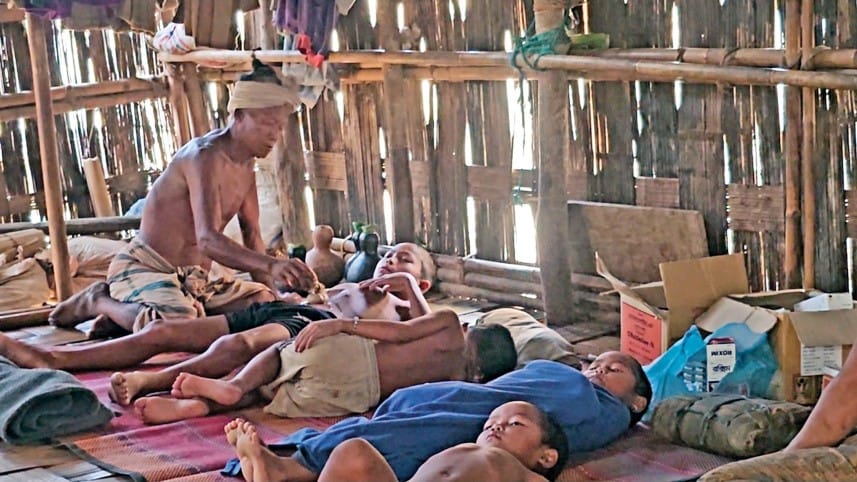
However, Be-nazir Ahmed, former director of disease control at DGHS, warned the emergency campaign is unlikely to stop the epidemic quickly given the speed of transmission.
Many scientists cited by Science point to the interim government’s procurement decision. The matter has also drawn legal scrutiny, with Supreme Court lawyer Biplob Kumar Das filing a complaint with the Anti-Corruption Commission on April 12 over alleged corruption and vaccine-procurement failures under the interim government.
Prof Sayedur Rahman, a key health adviser to the interim government, defended the shift, saying the old system relied on an emergency clause and needed to be moved to a “regular, rule-based system going forward” to “avoid questions about transparency or lead to perceptions of bias.”
He did not answer follow-up questions on what went wrong but acknowledged the toll: “The loss of children to a fully preventable disease like measles is heartbreaking. It is a human tragedy, and my deepest condolences go to every family that has suffered.”
Comments