


Humayun Faridee remains a benchmark for on-screen presence
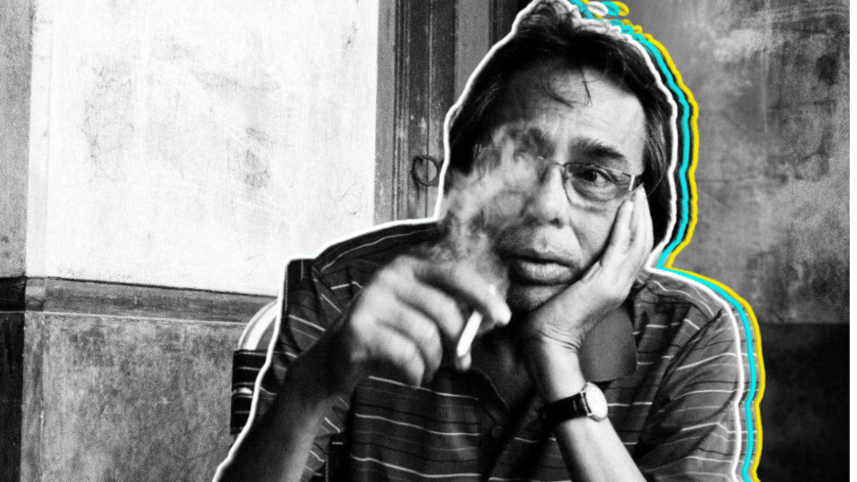
Humayun Faridee, one of Bangladesh’s most commanding stage and screen actors, left an indelible mark on the country’s cultural landscape through three decades of acclaimed work in theatre, television and film. Born on May 29, 1952, in Narinda, Old Dhaka, Faridee became a defining presence in the golden age of Bangladeshi television drama in the 1980s and 1990s, and later established himself as a formidable figure in cinema.
Today marks the 14th anniversary of the death of renowned theatre and film artiste Humayun Faridee.
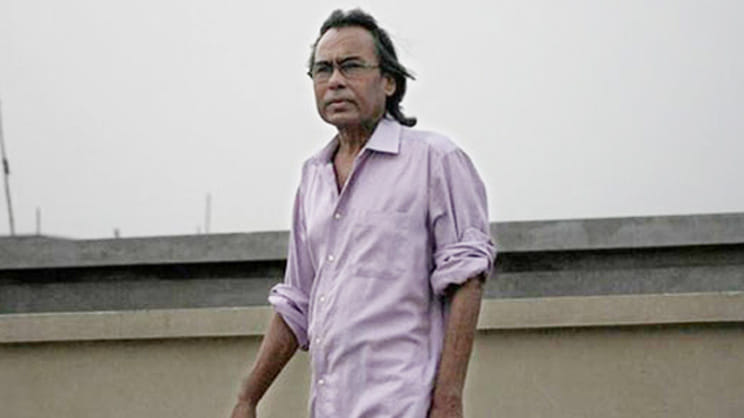
Faridee studied economics at Jahangirnagar University, where his involvement in theatre set the course for his artistic career. He began acting on stage during his student years and later appeared in numerous productions that shaped modern Bangladeshi theatre. Among his notable stage works were “Muntasir Fantasy”, “Fanimansa”, “Shakuntala”, “Kittankhola” and “Keramat Mangal”. He was also associated with the influential theatre circle of Selim Al Deen and Nasir Uddin Yousuff.
 For all latest news, follow The Daily Star's Google News channel.
He made his television debut in “Nikhonj Sangbad”, produced by Atikul Haque Chowdhury. Over the years, Faridee became a household name through performances in landmark TV dramas such as “Songsoptok”, “Kothao Keu Nei”, “Saat Asmaner Siri”, “Ekdin Hothat”, “Shiter Pakhi”, “Nil Akasher Shondhane”, “Durbin Diye Dekhun”, “Bhangoner Shobdo Shuni” and “Chandragrosto”, among many others. His portrayal of “Kankata Ramjan” in the serial “Songsoptok” remains one of the most memorable characters in Bangladeshi television history.
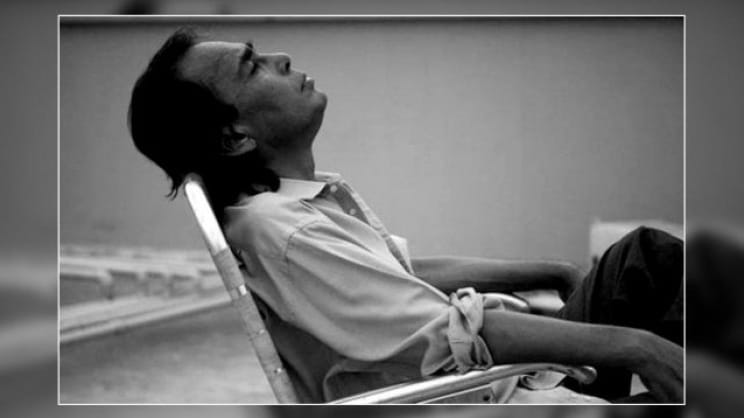
In cinema, Faridee first appeared in Tanvir Mokammel’s “Hooliya”. His entry into mainstream commercial film came with Shahidul Islam Khokon’s “Shontrash”, where he began to be widely cast in antagonist roles. He later delivered notable performances in films including “Bachelor”, “Joyjatra”, “Shyamol Chhaya”, “Ekattorer Jishu”, “Mayer Morjada”, “Bishwapremik” and “Palabi Kothay”. In 2004, he won the National Film Award for Best Actor for his role in “Matritto”. He was posthumously awarded the Ekushey Padak in 2018 in recognition of his contribution to the arts.
Faridee’s personal life also drew public attention. He was first married to Minu, with whom he had a daughter, Devyani. He later married prominent actor Suborna Mustafa; the couple divorced in 2008.
Faridee died on February 13, 2012, in Dhaka. News of his death prompted an outpouring of grief across the cultural community. Leading theatre personalities and actors visited his residence, and political leaders, including Prime Minister Sheikh Hasina and opposition leader Khaleda Zia, expressed condolences.
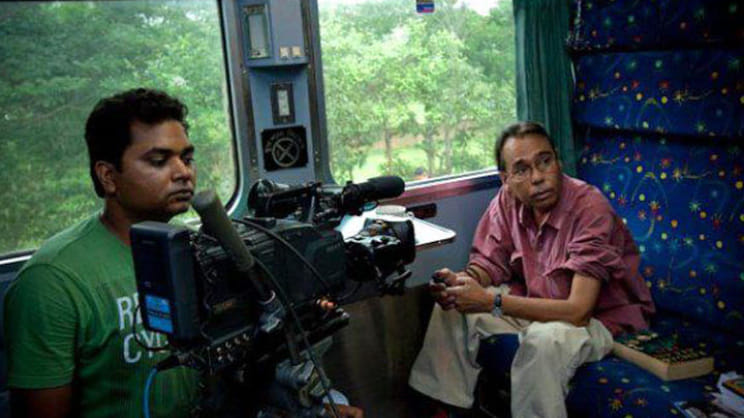
Filmmaker Nurul Alam Atique recalled their late-night conversations in an interview at the time. “Before hanging up, he would always say, ‘Take care of your health. It’s late. Go to sleep,’” Atique said, adding with a sigh, “I will never speak to him again.”
More than a decade after his passing, Humayun Faridee remains a reference point for craft and intensity in Bangladeshi acting. His body of work — across stage, television and film — continues to be revisited, especially around his birth and death anniversaries, underscoring his enduring relevance in the country’s cultural memory.
Comments