

IGCC honours Pandit Hariprasad Chaurasia with special musical tribute in Dhaka
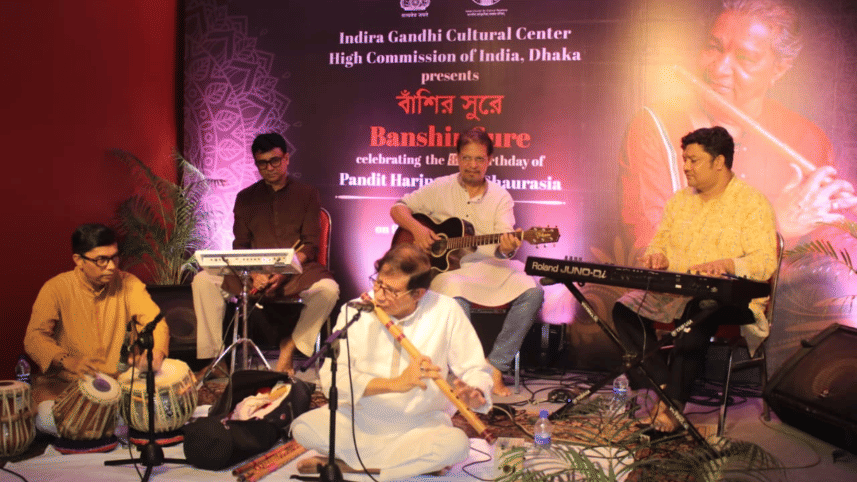
The Indira Gandhi Cultural Centre (IGCC), operating under the High Commission of India in Dhaka, marked the 88th birth anniversary of renowned Indian classical flautist Pandit Hariprasad Chaurasia with a commemorative event titled Banshir Sure on Thursday. The tribute concert was held at the Indian Cultural Centre (ICC) in Gulshan and celebrated the maestro’s enduring legacy in the world of music.
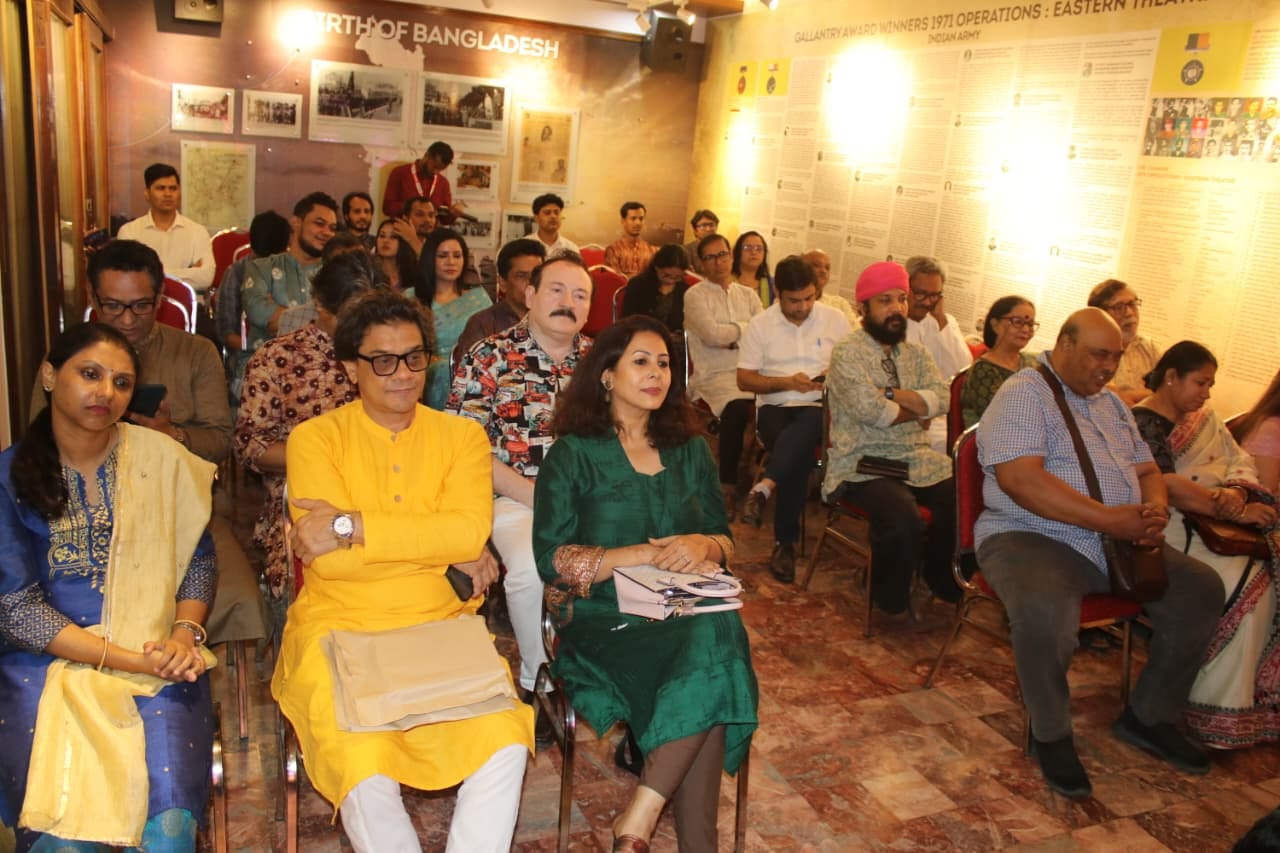
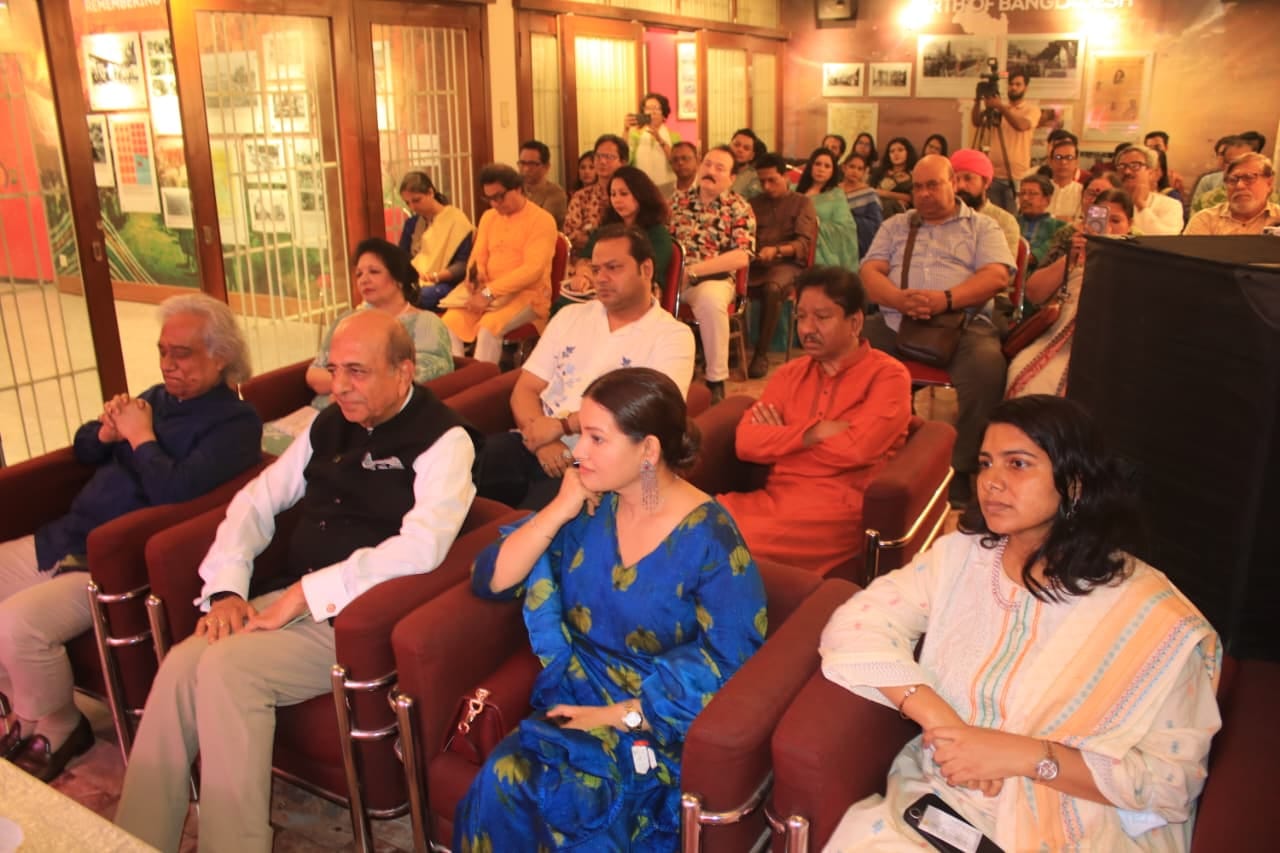
The event drew diplomats, cultural figures, musicians, members of the media, classical music students and enthusiasts, all gathered to honour a musician whose work has fostered cultural connections between India and Bangladesh for decades.

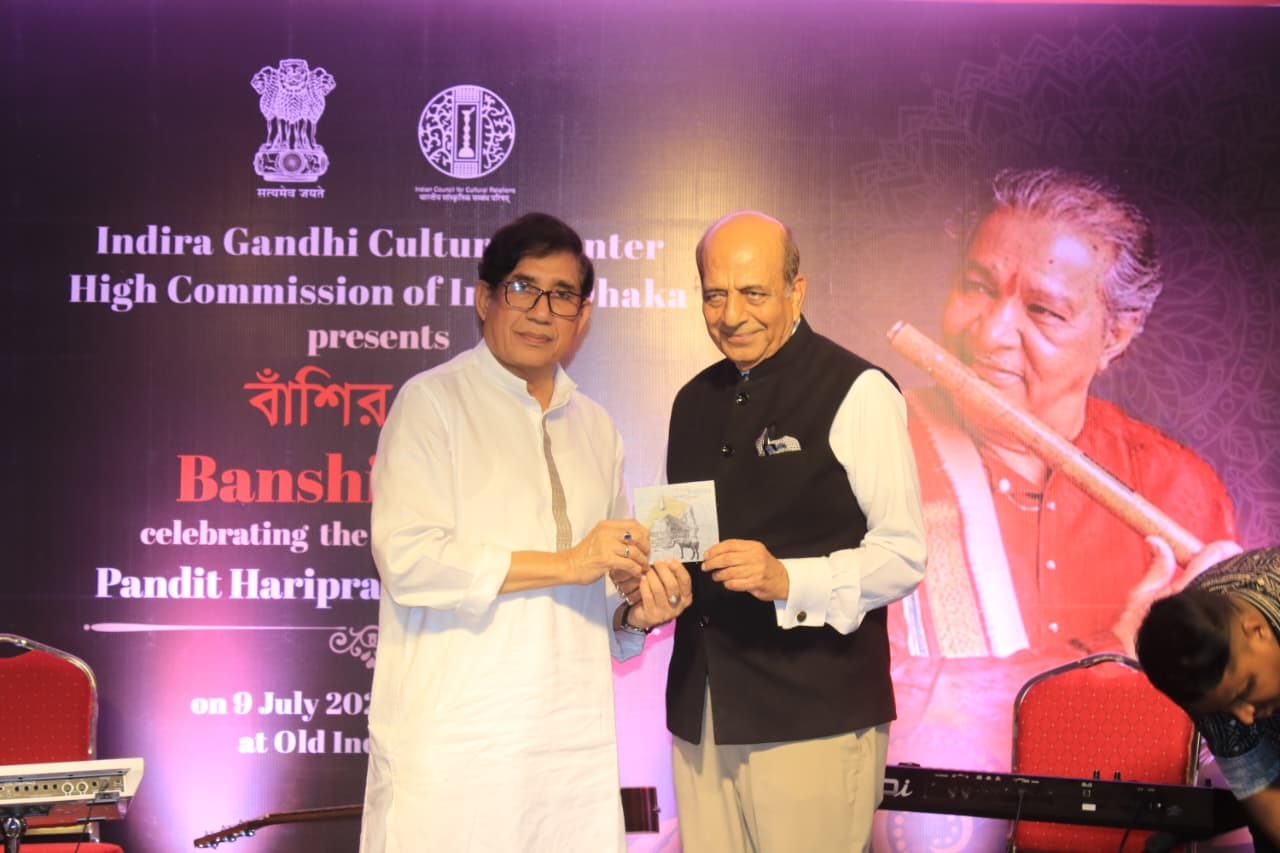
Indian High Commissioner to Bangladesh Dinesh Tribedi attended as chief guest and shared personal reflections on his long association with Chaurasia. He described the veteran musician as a towering figure in Indian classical music and praised his humility and character beyond his artistic accomplishments.
Tribedi recalled Chaurasia’s collaborations with several legendary performers, including Pandit Birju Maharaj and Girija Devi. He also highlighted the flautist’s celebrated partnership with santoor maestro Pandit Shivkumar Sharma under the composer duo Shiv-Hari. Together, they created memorable film scores for classics such as "Silsila", "Chandni" and "Lamhe", works that continue to resonate with audiences across generations.
The High Commissioner noted that Chaurasia’s influence extended well beyond South Asia, earning recognition from international figures, including George Harrison of The Beatles.
Sharing lesser-known anecdotes from the maestro’s life, Tribedi said Chaurasia initially trained as a wrestler because of his father's wishes. According to him, the physical discipline ultimately benefited the musician by strengthening his breath control and stamina, qualities that later became invaluable in his flute performances.
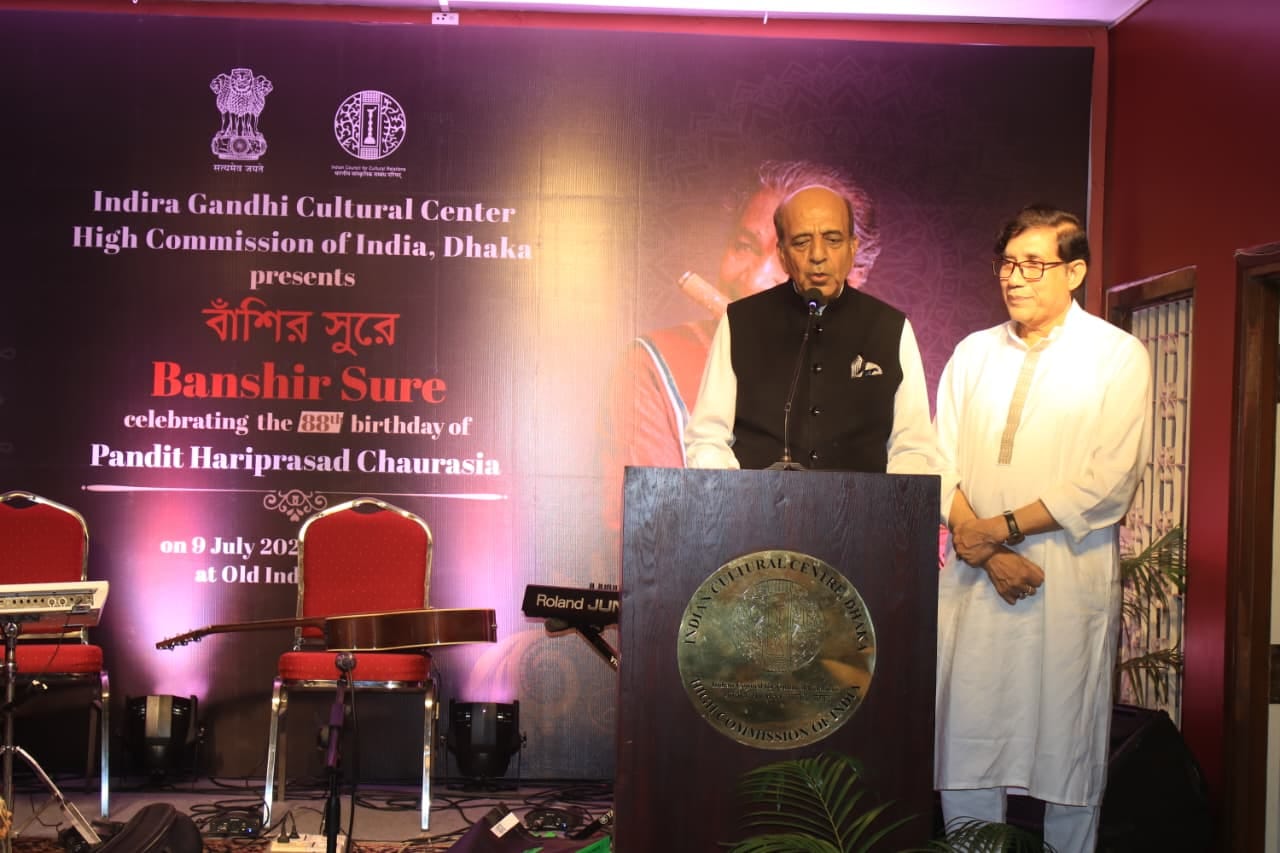
He also spoke about a pivotal moment in Chaurasia’s musical development when his guru, Annapurna Devi, encouraged him to change his playing style by switching from a right-handed to a left-handed orientation, a decision that later became one of the hallmarks of his artistry.
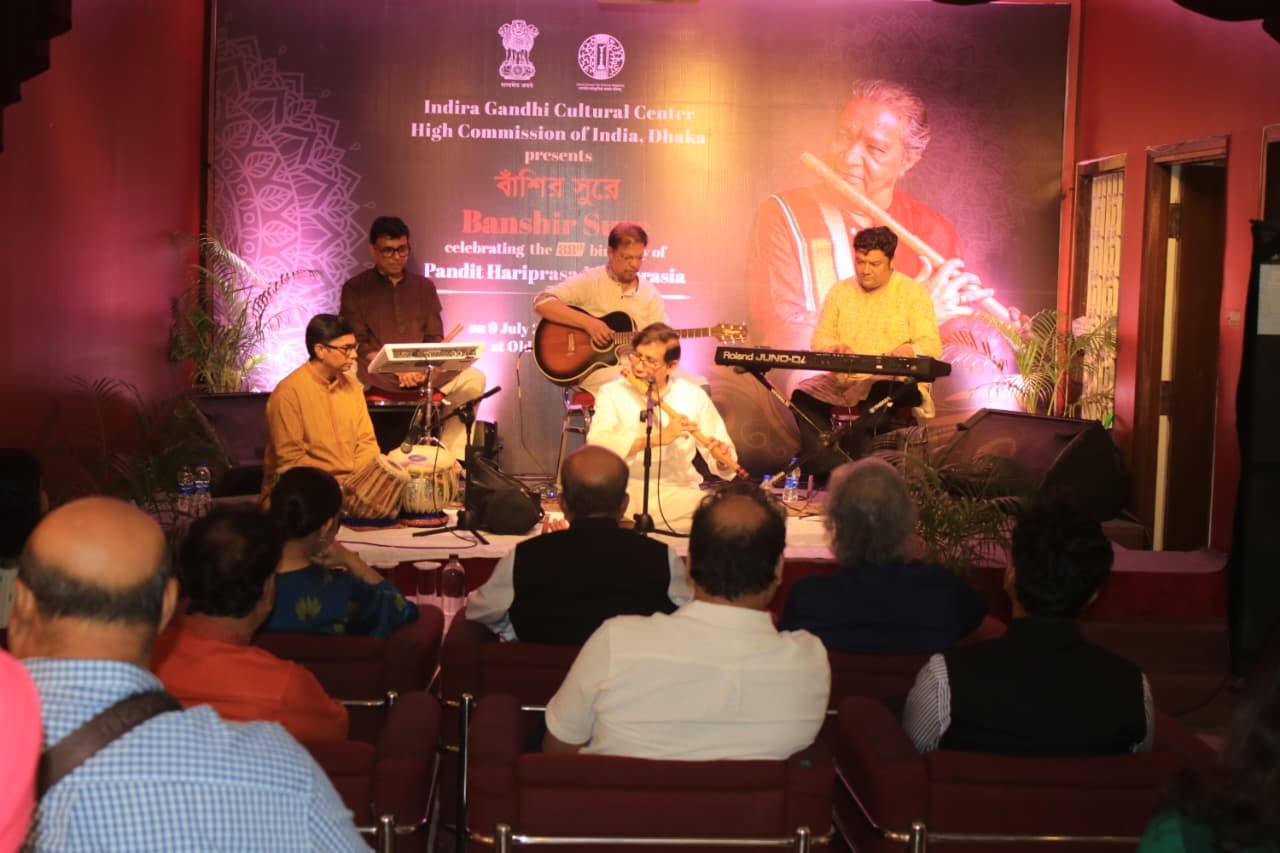
A major attraction of the evening was a flute recital by Ekushey Padak recipient Gazi Abdul Hakim. Accompanied by four noted Bangladeshi instrumentalists, Hakim performed a selection of Indian classical ragas, Bhatiyali compositions and special tribute pieces dedicated to Pandit Chaurasia and the late folk music icon Farida Parveen, who was also his wife.
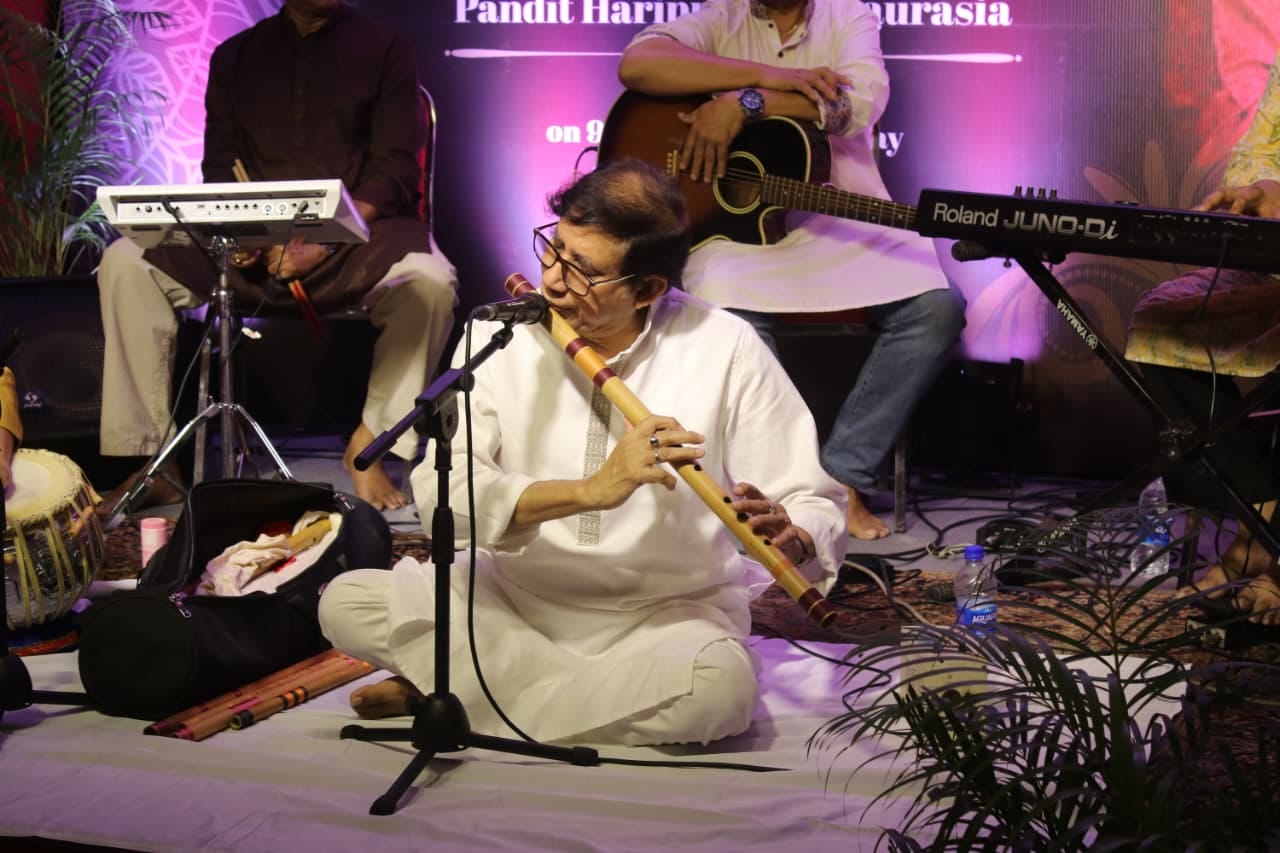
Speaking at the programme, Hakim hailed Chaurasia as one of the finest flautists in the world. He also reminisced about a cultural initiative undertaken during the tenure of former Indian President Pranab Mukherjee, through which he and Farida Parveen recorded 20 Lalon songs translated into Hindi.
The flautist became emotional while recalling his late wife and mentioned that former Indian High Commissioner Pranay Verma had expressed a desire to visit her during her illness. He also conveyed his gratitude to High Commissioner Tribedi for attending the programme and supporting the event.
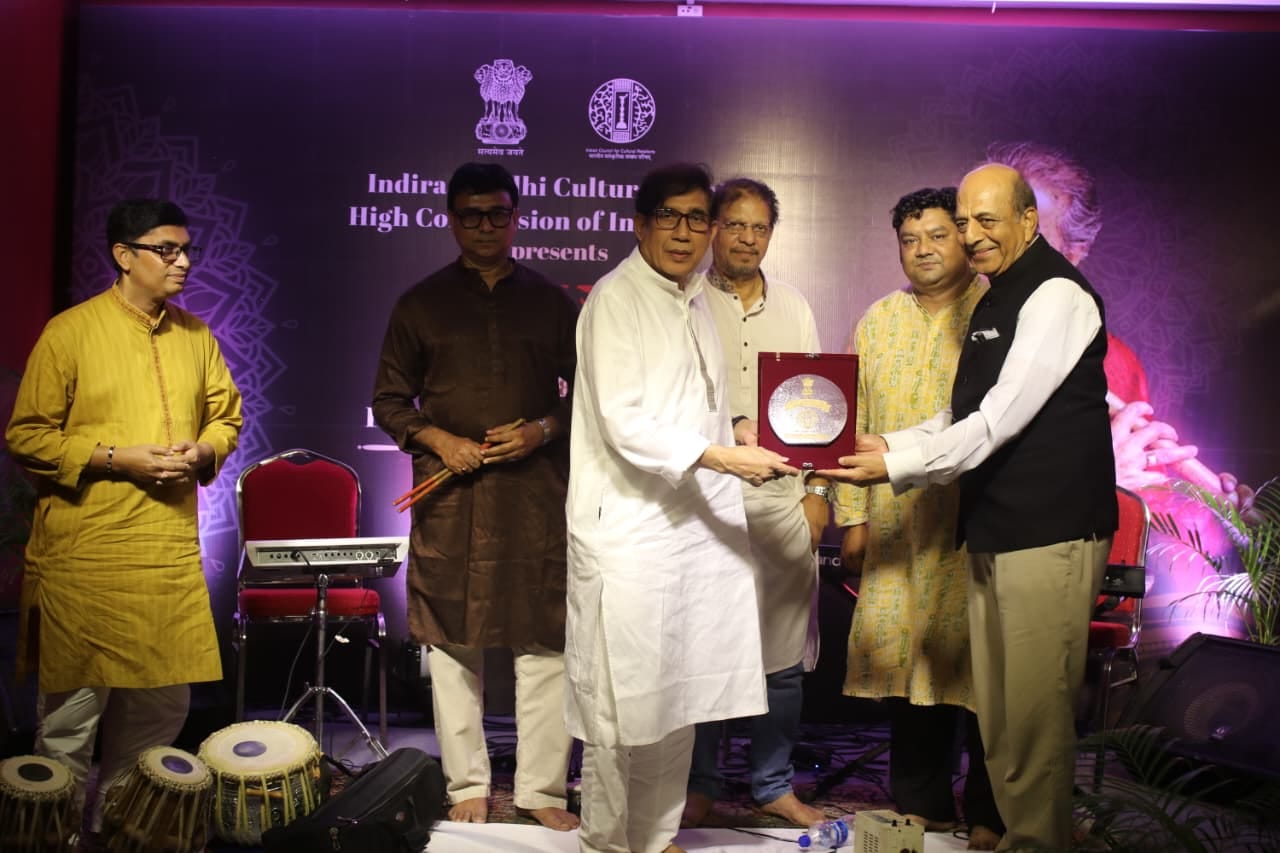
Hakim used the occasion to raise concerns about the treatment of musicians in Bangladesh, saying that many artistes remain underappreciated despite their significant contributions to the nation's cultural landscape.
He stressed that artistes deserve greater respect and recognition, adding that those who have served the country, including veterans of the Liberation War, should not be overlooked.

The evening concluded with a screening of "Bansuri Guru", a documentary tracing Chaurasia’s life, artistic achievements and lasting impact on Indian classical music.
 For all latest news, follow The Daily Star's Google News channel.


Comments