


Seventeen years after his death, his music keeps finding new fans

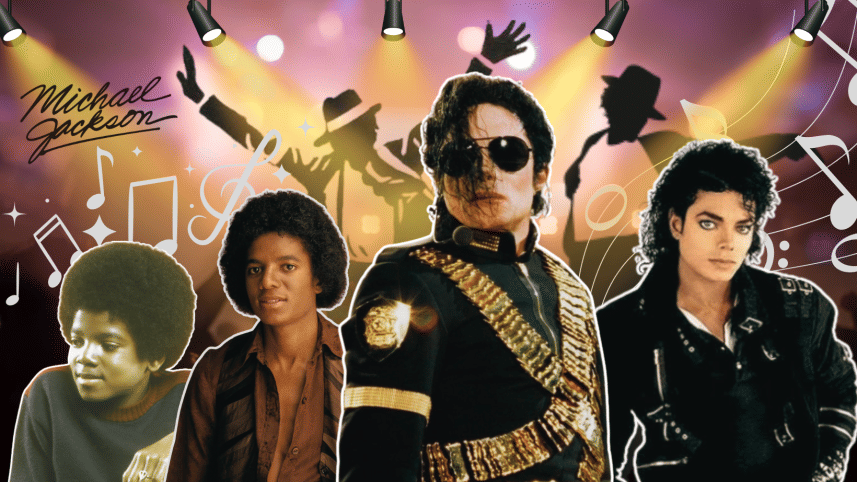
Seventeen years ago today, Michael Jackson died at fifty, eighteen days before the world was due to see him return to the stage. The rehearsal footage from his final days is still hard to watch. He seems warm and easy, laughing between run-throughs of performances he would never give.
This year, the biopic “Michael” gave audiences the closest thing most will ever get to seeing him perform live, with his nephew Jaafar Jackson portraying him. Some had been grieving him for years; others were only just discovering what there was to grieve. His catalogue climbed into the upper reaches of the streaming charts, sitting alongside new releases as though time had never passed.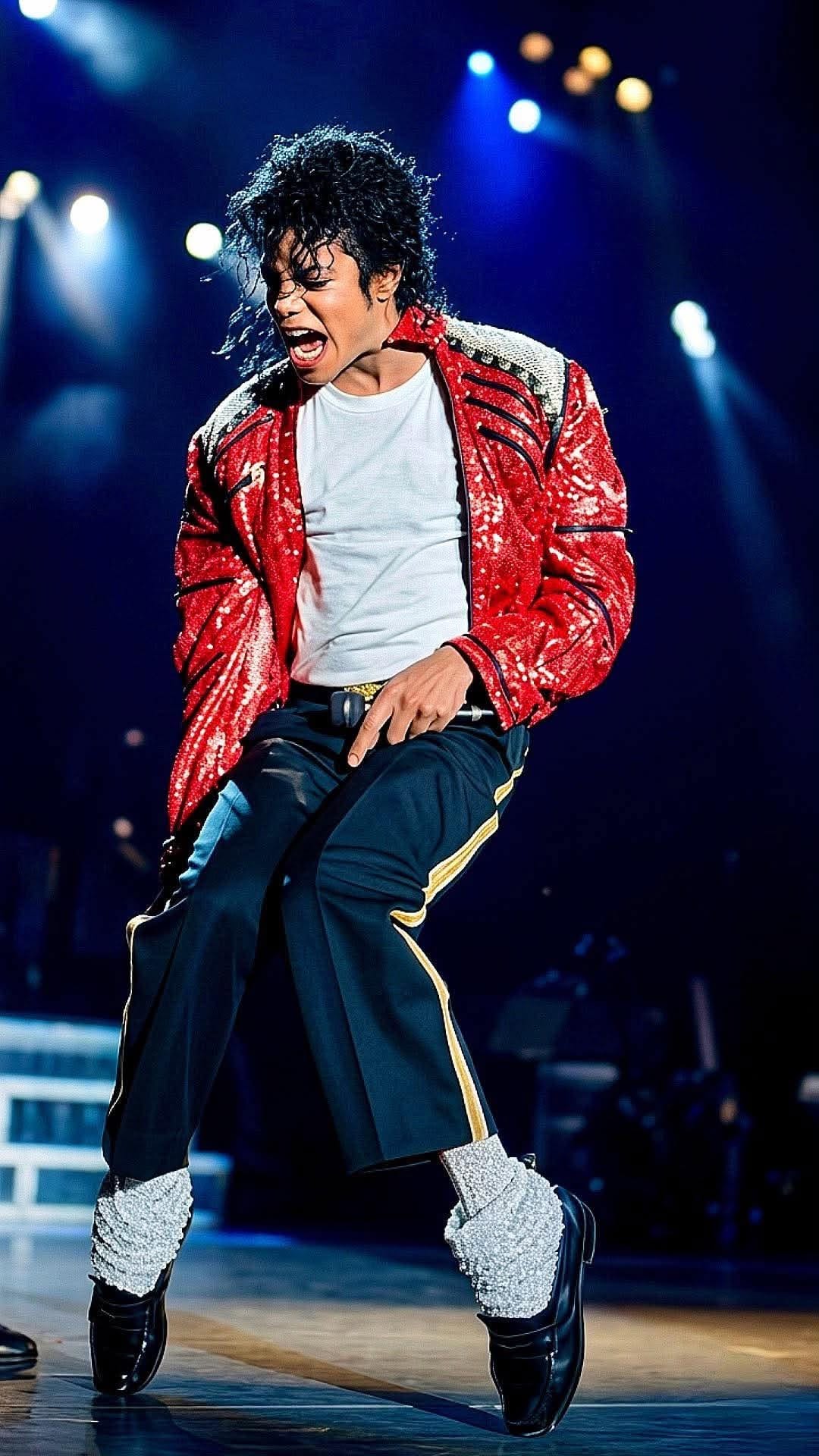
People are digging up everything — live concert footage, the short films he turned his music videos into, grainy rehearsal clips — and it’s all circulating across social media. Some of them weren’t even born when he died.
Take one of them: a fifteen-year-old at her desk, homework open beside a YouTube tab she keeps coming back to. She’s looking for the performance everyone always talks about. She finds it: the moonwalk’s first public reveal in 1983. He glides backwards across the stage during “Billie Jean”, his legs reading as walking forwards, a trick her eyes can’t work out even on a second watch. One clip turns into five, then ten.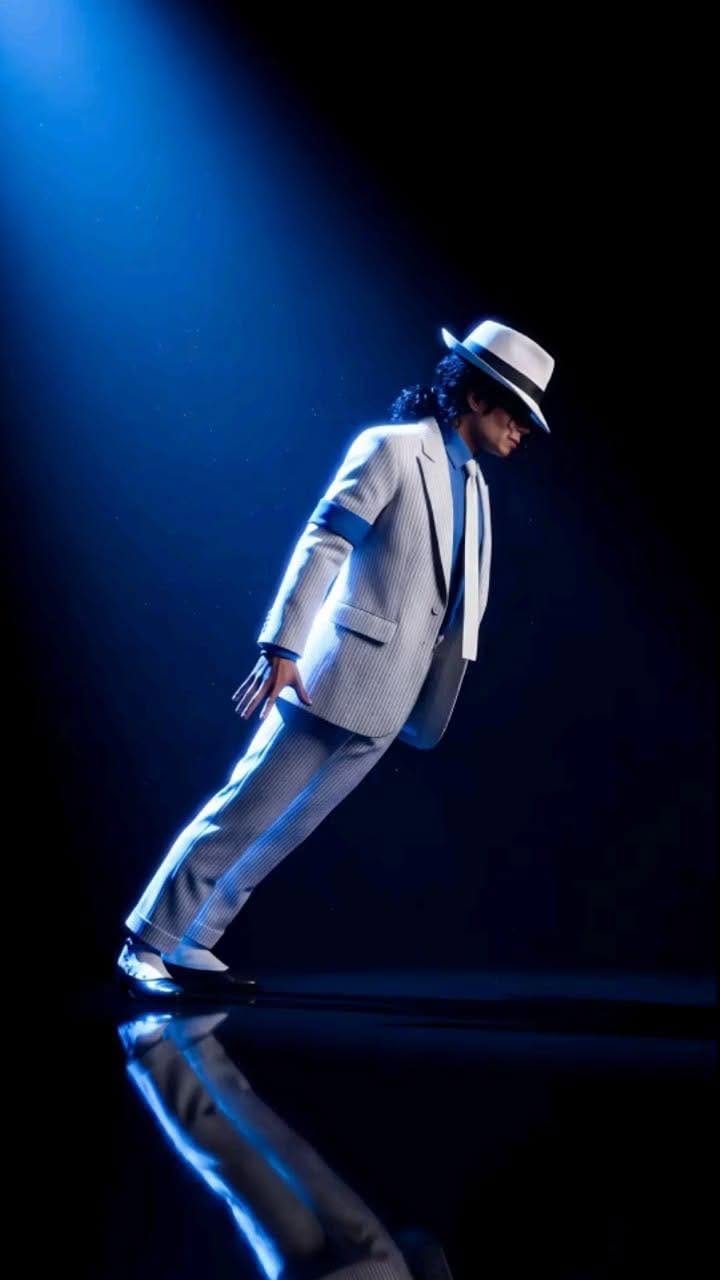
Nothing before him prepared audiences for what he could do, and nothing since has matched it. His silhouette alone was enough to recognise him: the flash of white socks against black loafers, a single shining glove, the sharp tilt of a fedora. He’d appear on stage in a burst of smoke and light, then stand perfectly still for minutes, the stadium dissolving into hysteria around him before he had done anything at all. Mid-performance, he’d freeze, kill the music entirely, and let that scream build until it became unbearable. Then one snap of the wrist, one pivot of the head, and the crowd would erupt. When he moved, his body looked like a physical extension of the music. And under all that control, you could still see he was having the time of his life.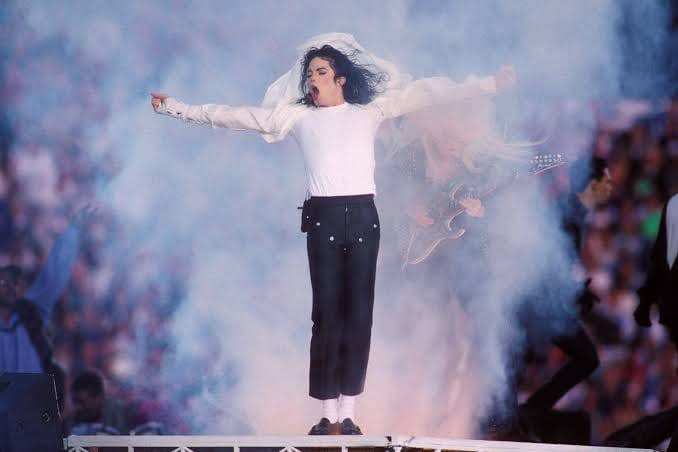
His voice worked like a drum: clicks, gasps, and hiccups hitting where a beat should be. He turned the hee-hees, ows, and sha-mons into something entirely his own. At the heart of it all was the thin, boyish register he never lost, an invitation to dance that could pull back into notes of softness and vulnerability.
He began performing when he was five years old, drilled towards a perfection his father never let him feel he’d reached. Neverland was the closest he came to reclaiming the childhood denied to him: his own amusement park with candy stands scattered through it, his own petting zoo, his own cinema, all of it built on a Santa Barbara County estate. He didn’t keep it for himself, though. He opened the gates to busloads of schoolchildren, local families, and children brought through hospitals and charities who might never have had an experience like that otherwise.
As his fame grew, the press turned him into a figure of intense fascination and oddity, a caricature that bore less and less resemblance to the actual human being. The tabloid nickname “Wacko Jacko” became so normalised it stopped feeling like the insult it always was. When he developed vitiligo, the media spent years framing a medical condition as a deliberate erasure of his Blackness. He spent much of his life trying to correct a narrative that was reprinted faster than he could fight it. Whether any of this would have looked the same for a white artiste is a question that doesn’t have a comfortable answer.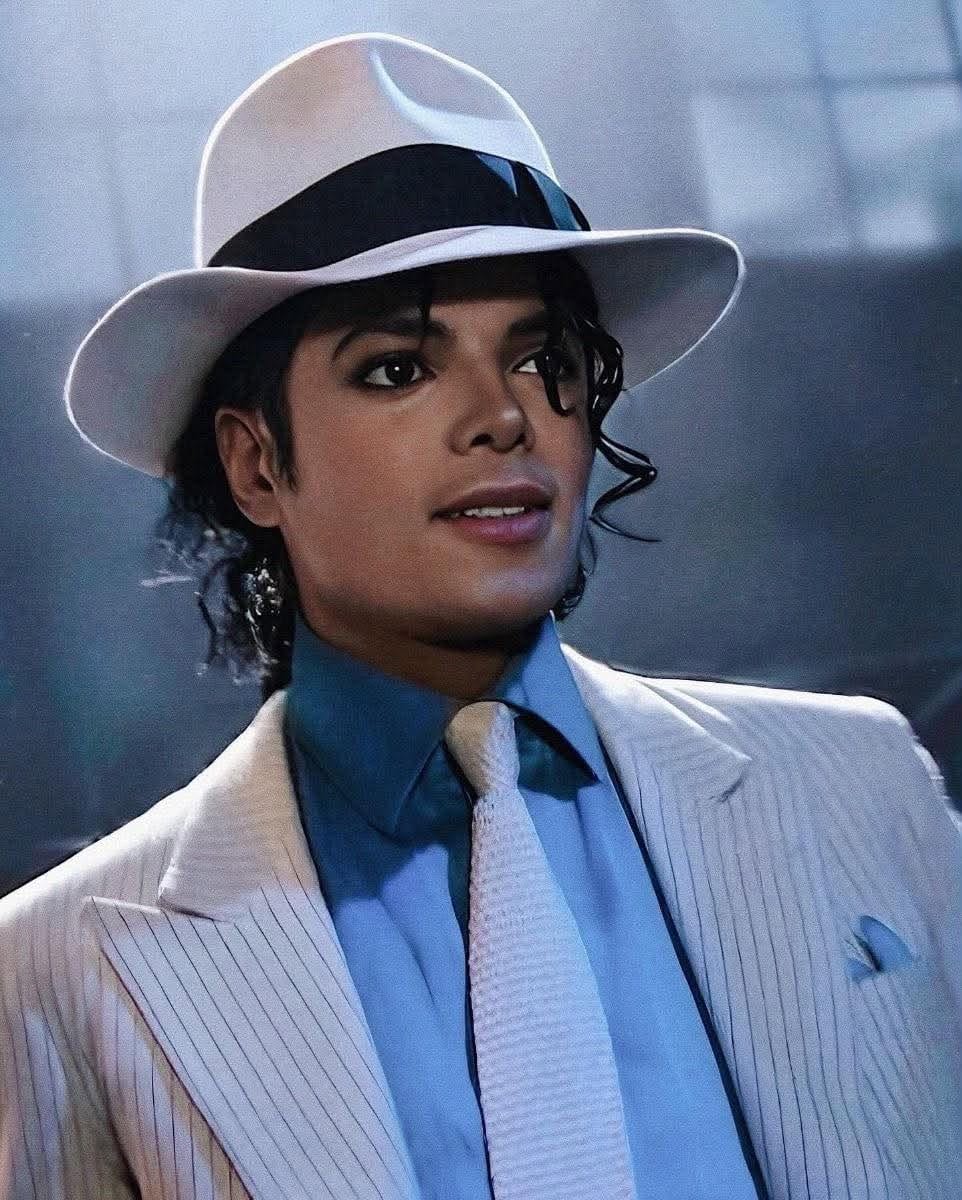
Two sets of child sexual abuse allegations shadowed Michael Jackson’s later years. Few entertainers in history have ever faced that level of legal scrutiny. The first, in 1993, ended in a civil settlement that included no admission of guilt; no criminal charges followed. The second led to a trial in 2005 and an acquittal on all counts. The FBI assisted local authorities over more than a decade, but no federal charges were ever filed.
The allegations made global headlines. So did the verdict, though you wouldn’t always know it from how the story got told afterwards. The 2019 documentary “Leaving Neverland” reopened everything for many people. But significant parts of it haven’t held up — including testimony the accusers themselves gave years earlier, under oath, that contradicts key claims they made in the film. He’s not here to answer any of it now. The conversation has carried on without him.
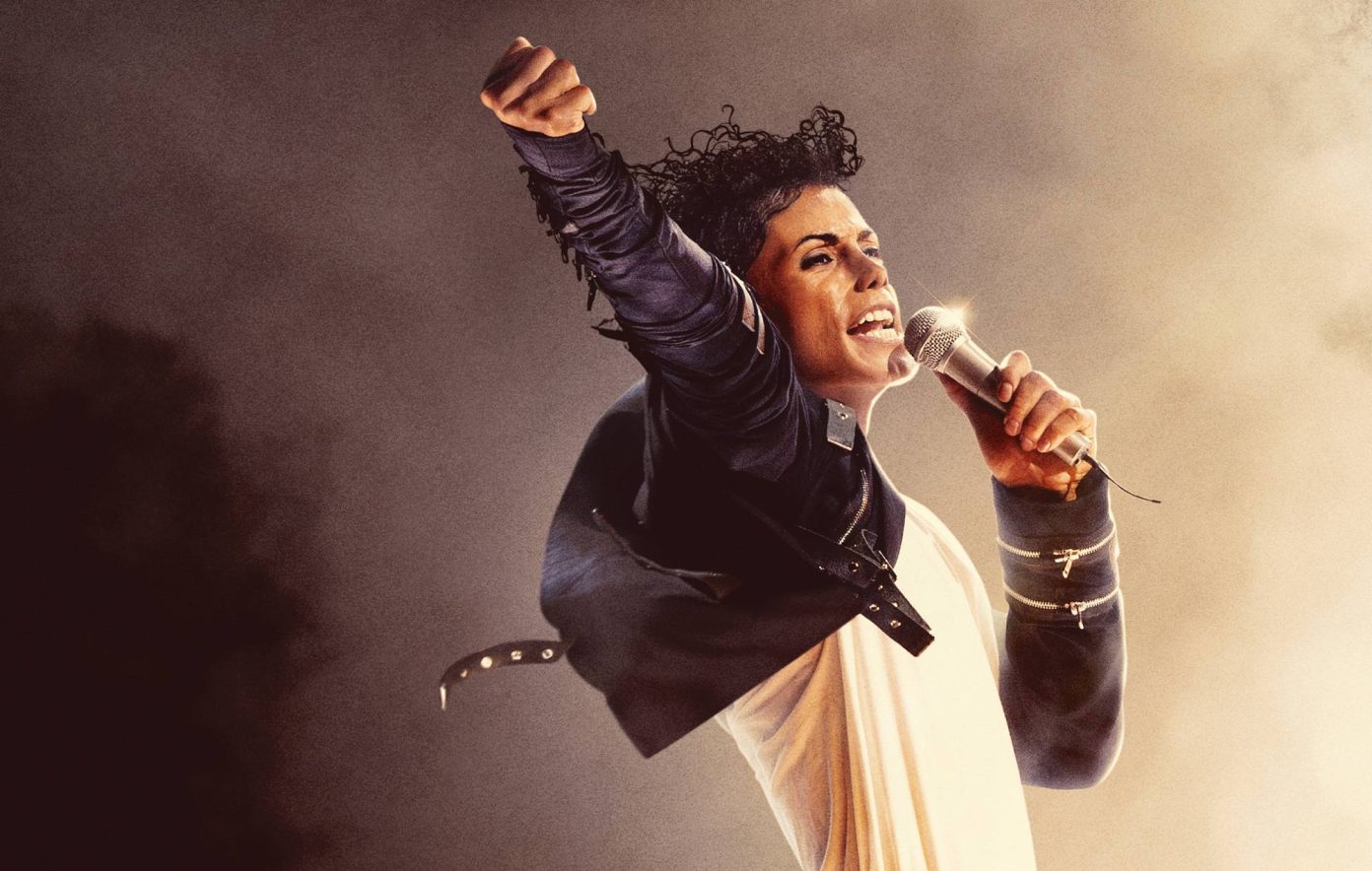
That girl will get to all of it eventually — the allegations, the verdict, the decades of noise — and decide for herself what to make of it. For now, she’s at her desk, hours slipping away, one clip leading to the next. The rehearsal footage from his final days, when he had no idea how little time he had left, is somewhere in that same feed. He’s gone. The story didn’t go with him. But for her, none of that has caught up yet. There are just the performances that still land, and a voice that cuts through everything stacked on top of it.
 For all latest news, follow The Daily Star's Google News channel.


Comments