


Inside Mohammad Touqir Islam and Anurag Kashyap’s historic ‘Delupi’ collab


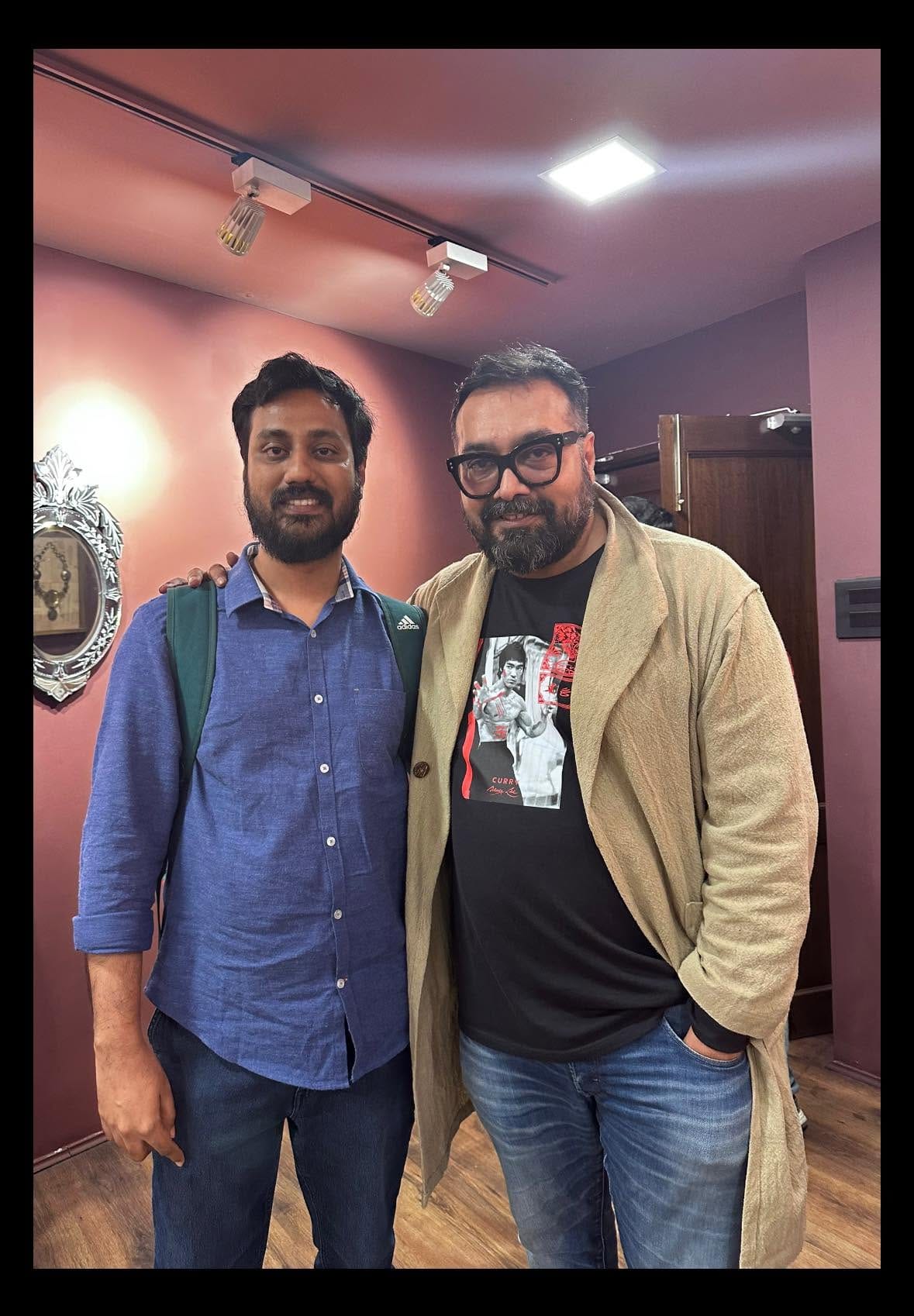
Mohammad Touqir Islam's “Delupi” recently received a significant endorsement, with acclaimed Indian filmmaker Anurag Kashyap officially joining the film as its presenter. The announcement, made by the film's team on social media, means the project will now be introduced internationally as ‘Anurag Kashyap presents Delupi’. He talks exclusively with The Daily Star.
How did Anurag Kashyap get involved with ‘Delupi’?

Our connection with Anurag actually goes back much further than “Delupi”. We had already been discussing another project that is still in development, and we've been in touch for nearly two years regarding that. Since nothing has been announced yet, I can't reveal much about it.
After “Delupi” was completed, Anurag watched the film, wrote about it, and genuinely connected with it. He told us he wanted to remain part of its journey because he believed more people should see it. That's how he came on board as the film's presenter.
What's remarkable is that he joined after the film had already travelled quite a long way. It had already had its world premiere and a theatrical release. Usually, senior filmmakers or producers don't come on board at such a late stage because much of the film's exclusivity has already passed. Yet Anurag loved the film enough to want to help carry it forward, and that's incredibly meaningful for us.
‘Delupi’ could have premiered internationally first, yet you chose to release it in Bangladesh.
When we finished the film, we unexpectedly received a call from the International Film Festival Rotterdam. We hadn't even submitted the film ourselves. Stefan, one of the festival's South Asia programmers, contacted us requesting a screening copy.
At the time, we were already planning the Bangladeshi premiere. Soon after watching it, Stefan informed us that they wanted to show the film to the selection committee, and within a couple of days they expressed their interest in hosting its world premiere. That was an extremely difficult decision.
Premiering at Rotterdam first would have opened many more international doors. It would have strengthened the film's exposure and preserved its world and regional premiere status, something that many festivals value greatly.
But I kept asking myself one question, ‘who should see this film first?’ For me, the answer was always the people whose lives inspired it. The film's journey began in the very village where we made it. We held our first screening there, then released it in Khulna before gradually bringing it to Dhaka and the rest of the country. Only afterwards did we begin its international journey.
I felt the people of this country deserved to experience the film before anyone else. The film ran in theatres for nine long weeks, and it’s an incredible experience.
Interestingly, Rotterdam appreciated that decision. Normally, they insist on world premiere status, yet they respected our commitment to local audiences.

Looking back, what was the biggest challenge in bringing ‘Delupi’ to audiences?
Making a film is difficult, but releasing one can be even harder. There were moments when, as an independent filmmaker, it genuinely felt the energy we spent on distribution could have been used to make five other films.
We've always heard from senior filmmakers that distribution is where the greatest challenges lie. Bureaucracy, logistics, and countless obstacles make the process exhausting.
But we entered the journey knowing there was no alternative. We had to release the film. We had to make sure people saw it.
Yet the film stayed in cinemas for nine weeks, which is unusual for an independent production.
Exactly. Honestly, when we made the film, our only hope was that it might survive in cinemas for a week.
For an independent film to remain on screen for nine weeks is extraordinary.
We simply didn't have the financial resources to create the kind of publicity that commercial films enjoy. That's why the support we received from journalists, newspapers, and audiences became so important.
 For all latest news, follow The Daily Star's Google News channel.
 Whenever we found ourselves struggling, someone stepped forward to help. The media gave us space, wrote thoughtfully about the film, and helped people discover it. That encouragement was far more powerful than any setbacks we experienced.
The film continues to travel internationally. What's next?
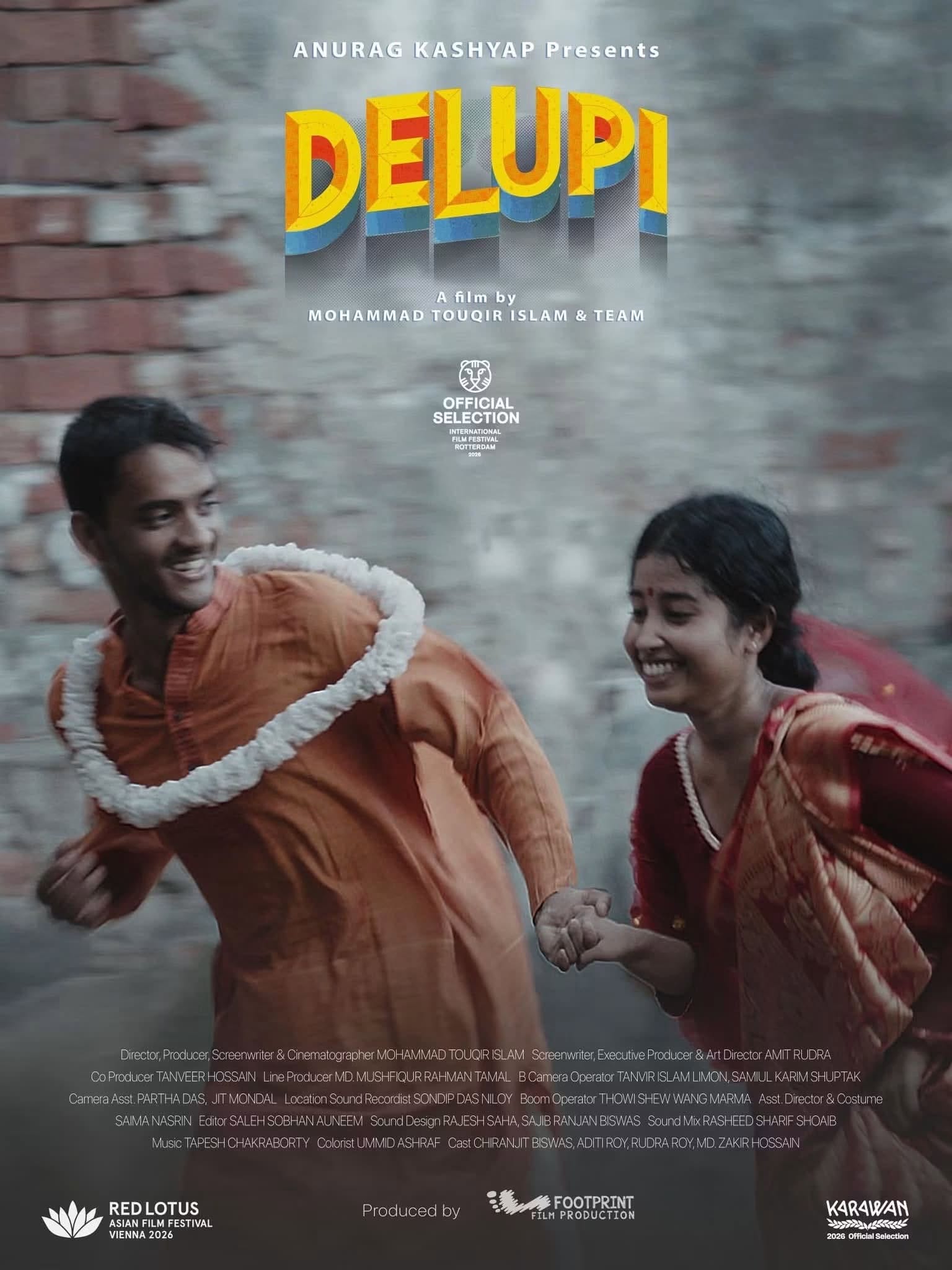
We're very excited because “Delupi” has been selected as the opening film at Italy's KARAWAN FEST 2026.
I'll be travelling there myself on July 9. What's particularly special is that the festival has even used a still from “Delupi” as its official poster.
When I looked at the programme, I was honestly surprised. The line-up includes films that have premiered at Cannes, Berlin, Venice and Rotterdam. Seeing “Delupi” chosen as the opening film among such company is a tremendous honour.
Many festivals also pay screening fees, which helps independent filmmakers continue their work. Beyond that, travelling with the film creates opportunities to meet producers, programmers, and fellow filmmakers, opening doors for future collaborations.

What does this journey tell you about the future of Bangladeshi independent cinema?
I believe every work of art has its audience. Some audiences are niche, others are much broader, but they exist.
The kind of hyper-realist cinema we're making has a genuine international market. We simply haven't fully reached it yet.
I often compare these films to long-term investments. They don't produce immediate returns, but with patience they continue to grow. As more filmmakers create this kind of work, the audience will grow alongside them.
We've already seen things happen that once seemed impossible.
Nobody imagined that “Shaaticup”,with its non-professional actors, would eventually find mainstream audiences. Likewise, few believed a film like “Delupi” could stay in cinemas for nine weeks.
The important thing is to believe in the work we're creating and take responsibility for finding the audience that already exists somewhere in the world.


Comments