


Obsession and the horror of a stolen self

*This review contains spoilers
Curry Barker's low-budget horror Obsession gave the viewers one of the year's genuine box-office surprises, grossing well over a hundred times its production cost after breaking out of the Toronto festival circuit. Like many horror films in the contemporary scene, the premise is a folk-tale trick transmuted to fit modern times.

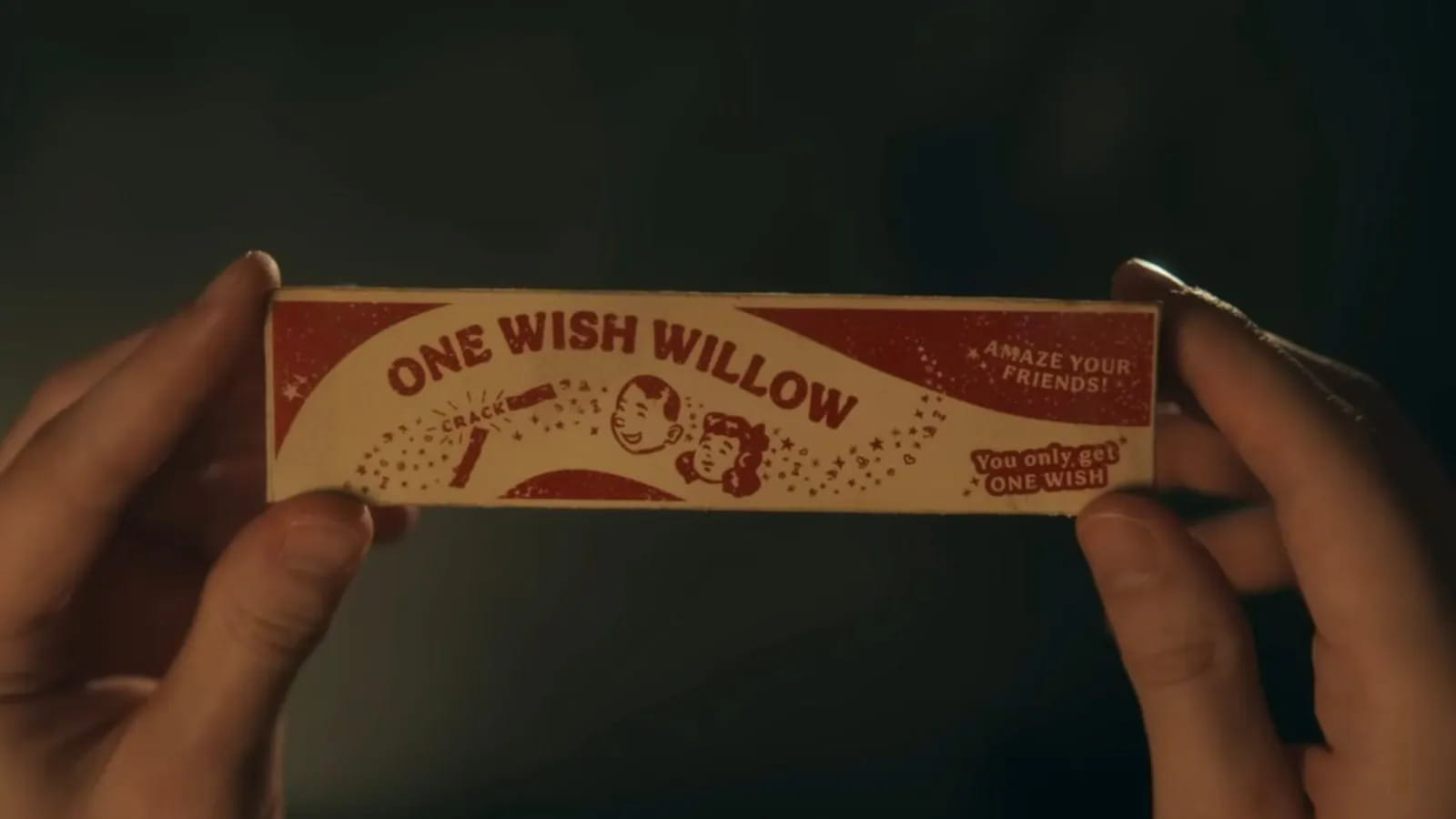
Bear, a shy and insecure music-shop worker, snaps a novelty charm called a “One Wish Willow” and wishes that his friend Nikki would love him more than anyone else in the world. She does exactly that. And the story takes off from that very point.
On the surface, this is The Monkey's Paw logic transplanted into a story about romantic longing, but Barker's script is interested in what happens to a person once it takes hold of them rather than the mechanics of it all.
Nikki's devotion presents itself as possession in the most literal sense: her body driven by something that has seized her from within. She screams in fear mid-embrace, catches herself, and smooths her expression back into calm, which is incredibly jarring to watch as a viewer.
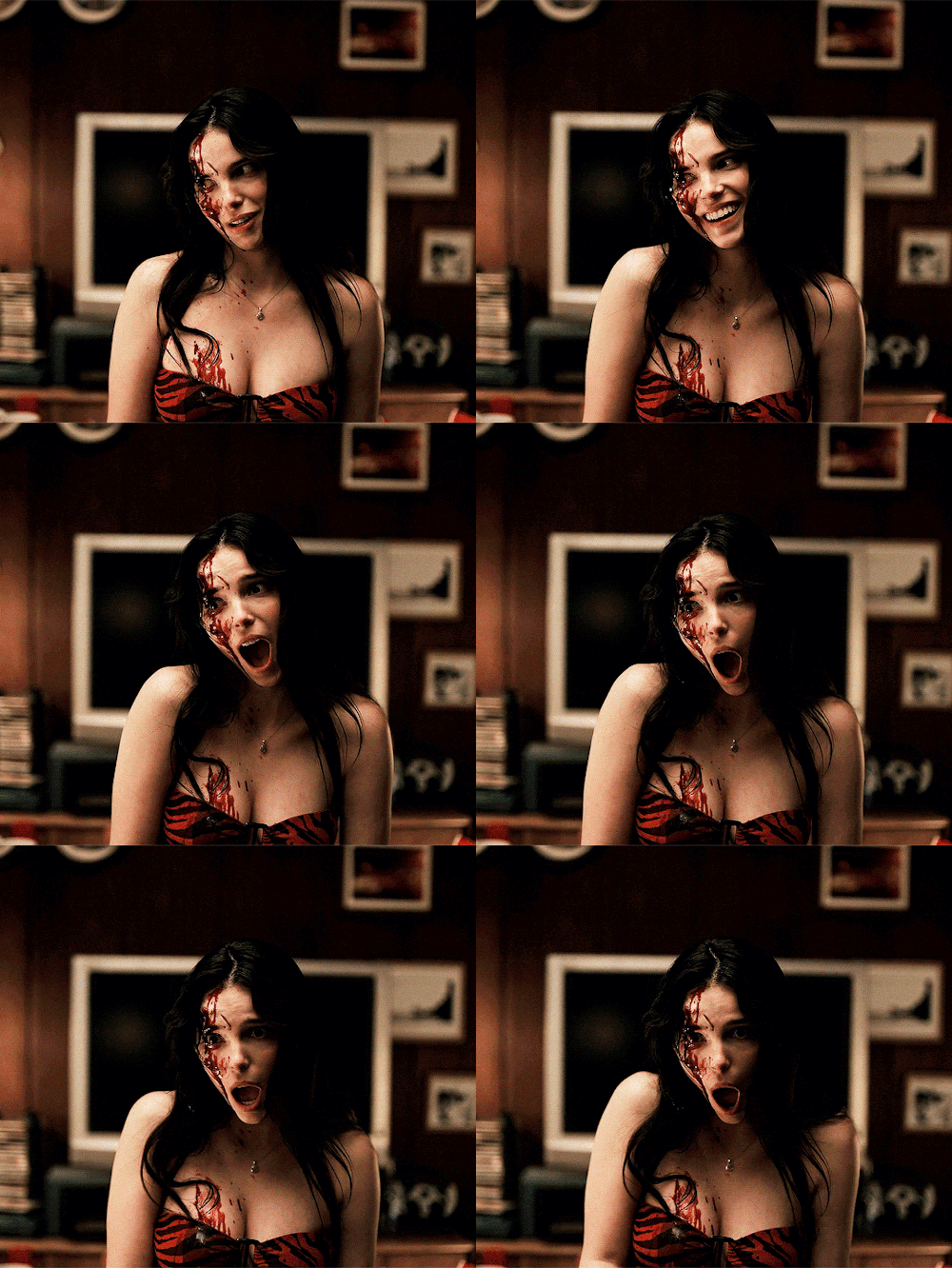
It is horror built on the idea of watching someone lose command of themselves while some sliver of them remains awake inside, aware of what is happening and powerless to stop it. Her jolt of autonomy is suppressed by this “other Nikki”, who becomes someone Bear wants.
This is where the film's themes matter more than its plot mechanics. The scares are largely predictable, but they become terrifying when you take into account that they are about the terror of a self that can be overwritten, hijacked by a will other than one's own, with just enough consciousness left intact to be cognisant of the violation. Bear receives the devotion he asked for, but he never has to reckon with the cost until it is far too late, and that delay tells more about Bear’s moral construction.
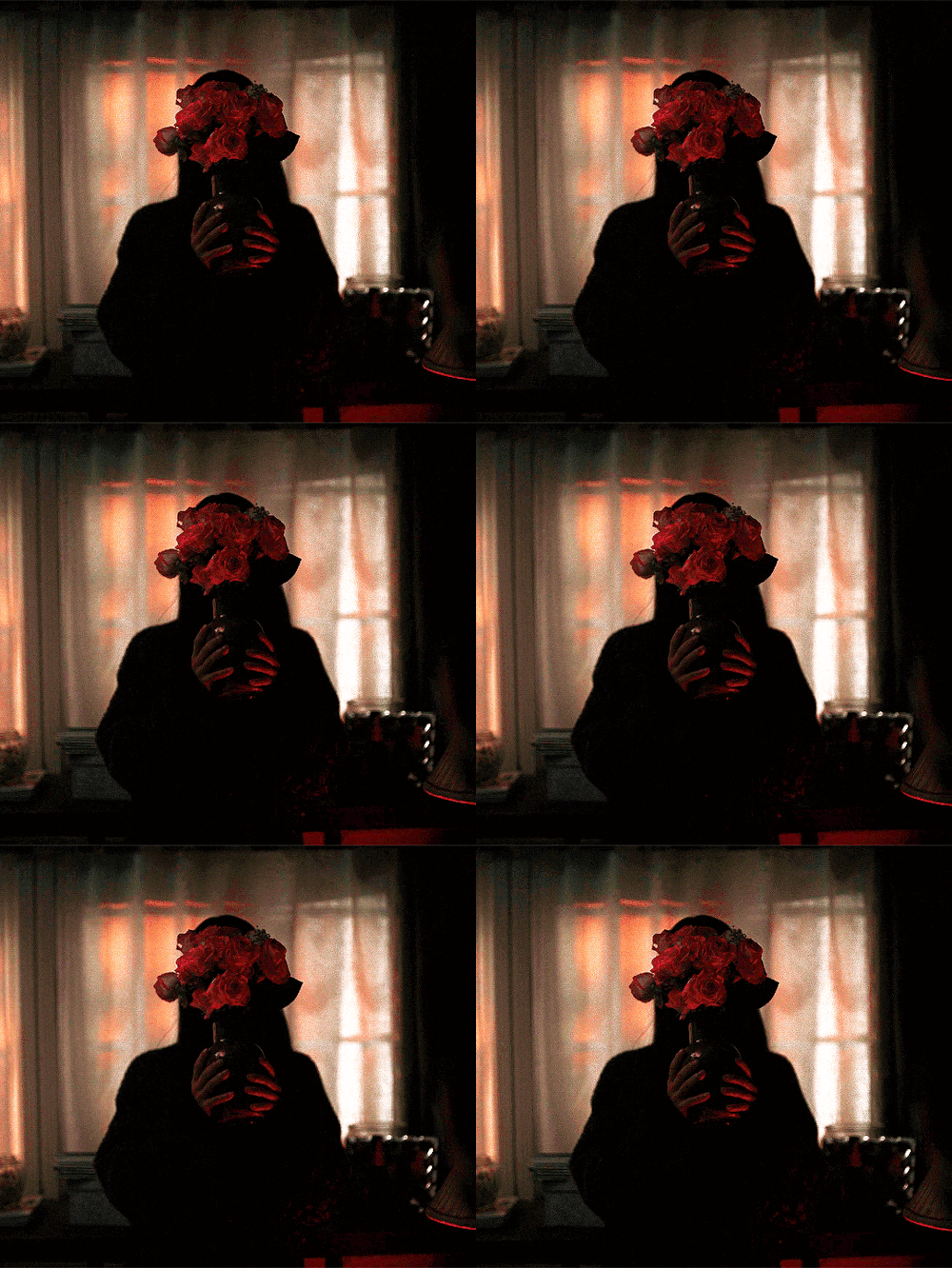
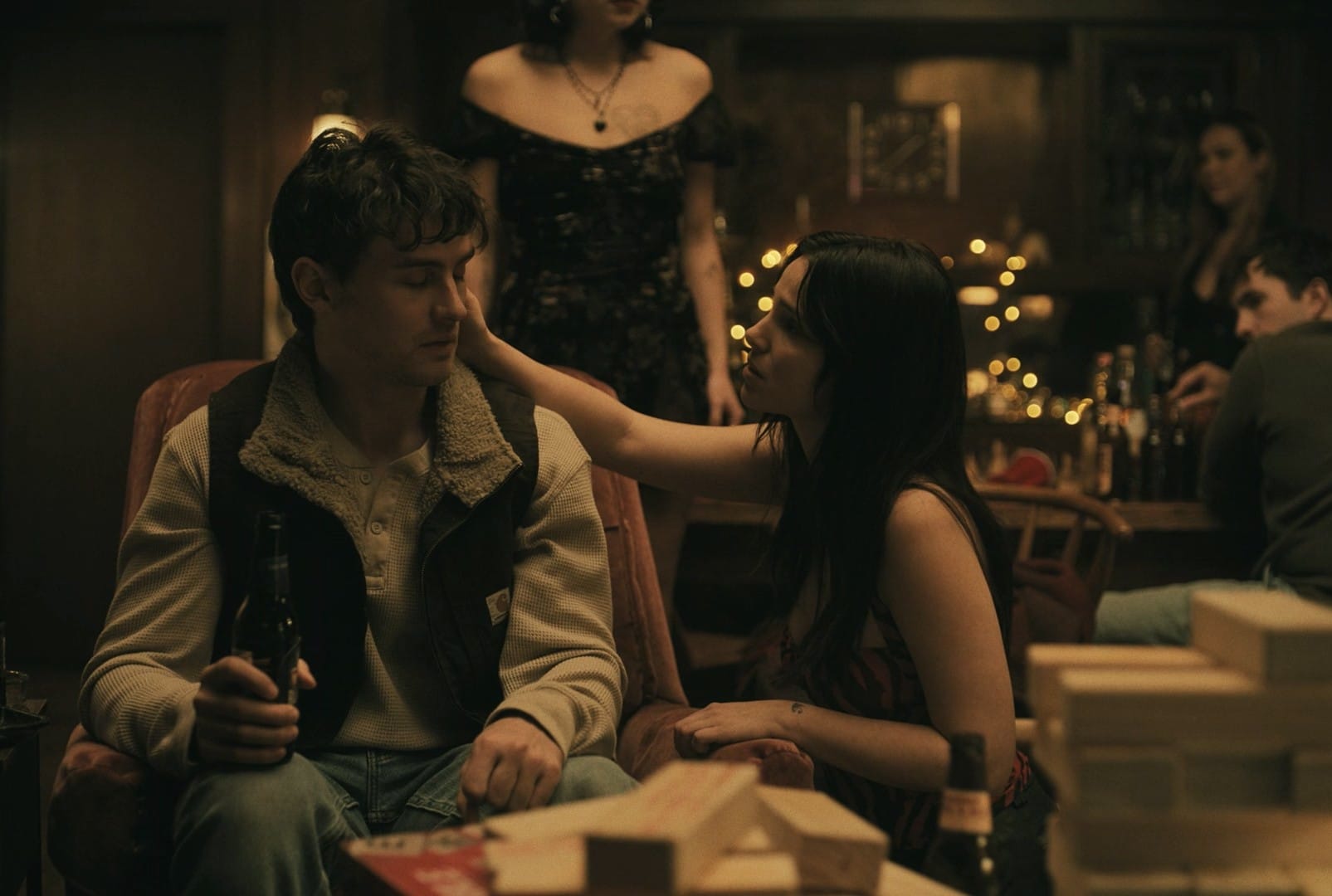
Bear is a nice guy, only until niceness stops requiring sacrifice, which would entail killing himself. Once Nikki's love curdles into something monstrous, his instinct is to enjoy the spoils rather than undo the harm, and Barker lets that cowardice sit with the audience.
Inde Navarrette, who plays Nikki, carries the weight of this idea almost entirely through her physical performance, swinging between rictus grins and moments of genuine anguish that puncture the fantasy Bear has built for himself. It is a performance about the body being used as a vessel while the person trapped inside can do nothing except leak out in parts – a scream here, a flinch there – before the control resets almost too violently. That imbalance between awareness and agency is the beating heart of the horror. The animal violence and murders punctuate the back half of the story by building on the chaos that ensues right after Bear gets what he wanted.
Where the film falters slightly is in its comic tone, which sometimes undercuts the very dread it has worked to build, turning Nikki's suffering into a punchline more often than the material can comfortably support. Even so, Obsession has resonated with its gargantuan viewership because it understands that the most frightening loss of self is one furnished to look exactly like happiness.
 For all latest news, follow The Daily Star's Google News channel.
FIFA World Cup / The emotional resonance that tethers us to underdogs

Press Release / 1st Bangladesh Formula Student & Automotive Engineering Summit held at MIST

News / UAP student secures 3rd Best Speaker Award at CICA Youth Speech and Debate Competition

Press Release / IUB and Norwegian Embassy sign agreement to support Ibsen-Fosse Festival

Press Release / Southeast University welcomes new students of Summer 2026

Press Release / NSU to stage World Cup Quiz 2026 for school and college students

1,500 female students receive free healthcare at Cucsu medical camp

Press Release / Aziz Al Kaiser nominated as the Chairman of the NSU Board of Trustees

Cover Story / The IT job market conundrum: underemployed or underskilled?
