Street Children
Too little to raise hope
Raihan Sabuktagin
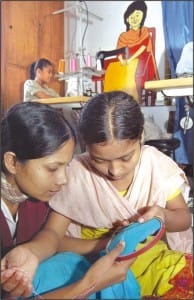
With thousands of vagrant children living on the streets in the capital, projects to shelter and rehabilitate them are limping due to insufficient funds and facilities. As the government schemes and infrastructure virtually provide no support to these street children, their only ray of hope lies with the supplemental support provided by a few NGOs. According to a survey conducted in 2004, around 2.5 lakh children are living on the streets of Dhaka and there are around 6.8 lakh of them all over the country. According to the survey, the vagrant child population is growing at an annual rate of 6.98 percent. Most of these homeless children are from destitute and underprivileged families. Although the government, on paper, follows certain policies and has funds allocated for providing shelter and rehabilitating these children, the government assistant programmes turned out to be futile due to years of negligence and lack of dedication to address the issue. There are 85 government orphanages and six shelter homes throughout the country that are virtually riddled with countless problems. Whereas the government department responsible to oversee these facilities lacks necessary organisational and financial resources, sources said. "As the government is not being considerate enough to [assist] these unfortunate kids, we see their tender faces at different odd jobs including prostitution, drug peddling and even in criminal activities," said Nipa, an officer at a vagrant children drop-in centre run by an NGO. According to sources, only around 11 NGOs out of a total of 8500 NGOs nationwide provide shelter and life skill training to these underprivileged children. Since these NGOs stop providing assistance to these children once they turn 18, the children once again become vulnerable as they face the real world without anyone to look out for them. No official statistics is available about the number of children receiving assistance from the NGOs. According to Shishu Odhikar Forum and a few other NGOs, around 10 percent of the street children receive NGO assistance. According to U M Habibun Nesa, head of the child protection programme of Save the Children UK, the underprivileged vagrant children are 'socially disabled' and they could otherwise be assets of the society. "While growing up, these children usually experience severe malnutrition, social repugnance and considerable vulnerability. As a result, they often grow hostility, hatred and distrust towards the society. This hatred and distrust draw these naïve children toward criminal activities -- tainting the society in the process," said Habibun Nesa. "With rapid increase in the number of vagrant population and if the present situation continues, it will be a social disaster in the near future," she added. Habibun Nessa emphasised on community-based vocational schooling programmes and arrangements to help that the children make use of their skills in an effective way. "It is ironic that the NGOs are [mainly] providing support to these underprivileged children. Whereas, the government should bear the main responsibility and step in [to address the issue]," she suggested. According to Aminl Islam, a coordinator at Aparajeyo Bangladesh, rehabilitating these underprivileged children with sustainable and effective life skills requires organised assistance programmes. "The number of NGOs dedicated to this cause is too small to cope with the such a overwhelming number of children. Most of them lack proper psycho-social counselling and capacity to provide life skill training as well," said Islam. "The eight or nine shelter homes run by NGOs in the city are overcrowded while the government infrastructure is conventional and inadequate for the cause. Lack of efficient social worker only makes the situation worse," he added. In the recently proposed national budget for the next fiscal year, the present interim government has allotted Tk 13 crore for the development of children shelter homes. According to Hafizul Islam Mia, director general of department of social welfare, the interim government has adopted a development programme titled 'Extension and Development of Existing 6 Vagrant Homes (second phase)' to ease the overall situation. Hafiz however expressed his doubts about the future of vagrant population, especially the children, as the skills they learn at the homes are not helpful enough to make a living in the real world. "I have seen residents of different shelter homes make beautiful handicrafts, but all these skills are of little use in the real world if they cannot market their products."
|